Tag Archives: Writing

Leuchtturm 1917 Notebook Review

I mentioned in my last post that I had grown to love the Leuchtturm 1917 notebook for journaling. It’s also true for any kind of creative writing. I should apologise now, this post is probably going to have a lot of link love for those of you who are interested.

I don’t use the pocket size. For that, my love of Field Notes and the new NockCo Black DotDash notebook wins out every time. That’s my ‘shove in my pocket’ daily carry.

But using the A5 size Leuchturrm for plotting and planning has been an absolute joy. Anyone who like to write longhand or do their creative outlining by pen and paper should seriously check this brand out.

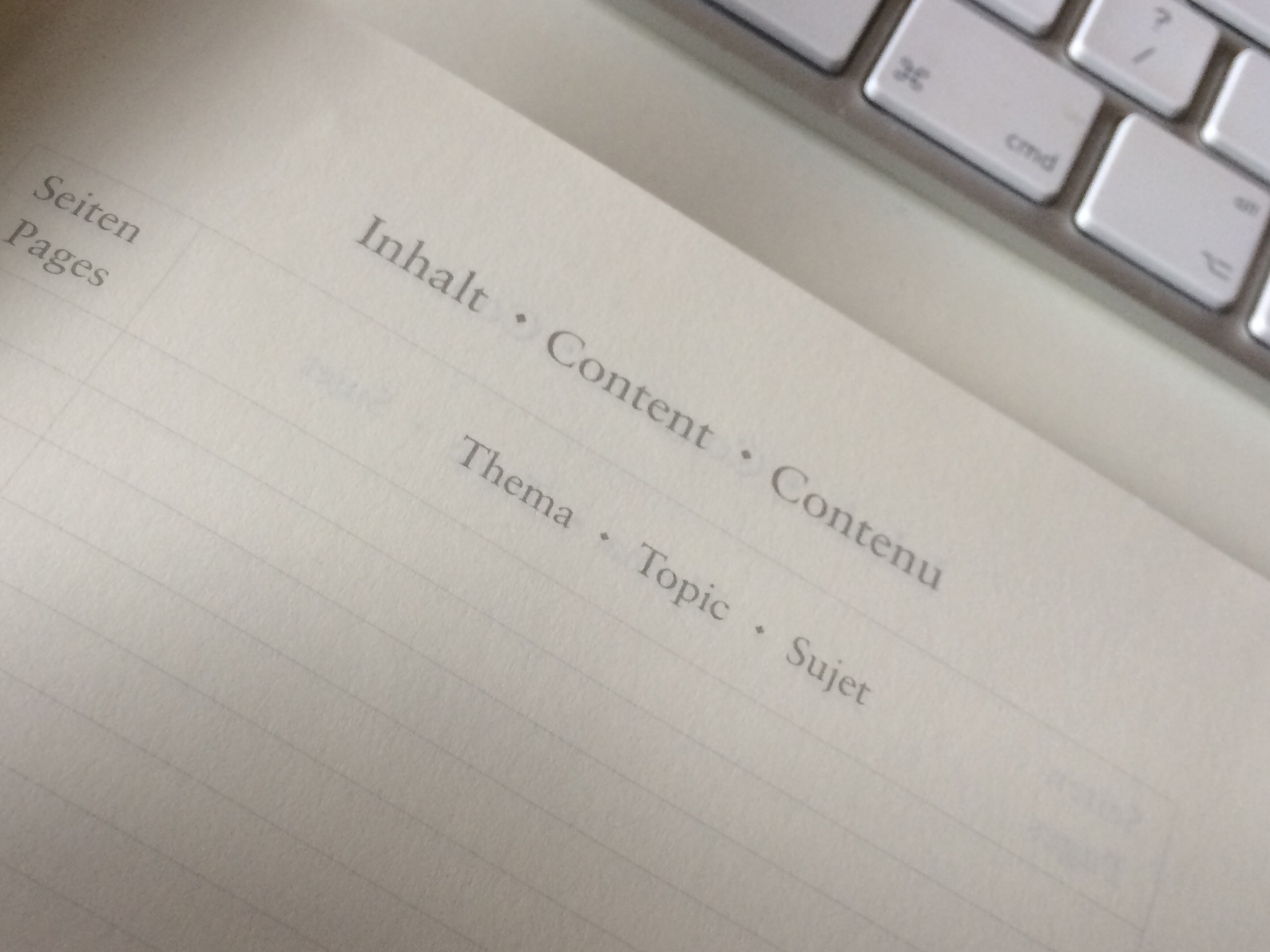
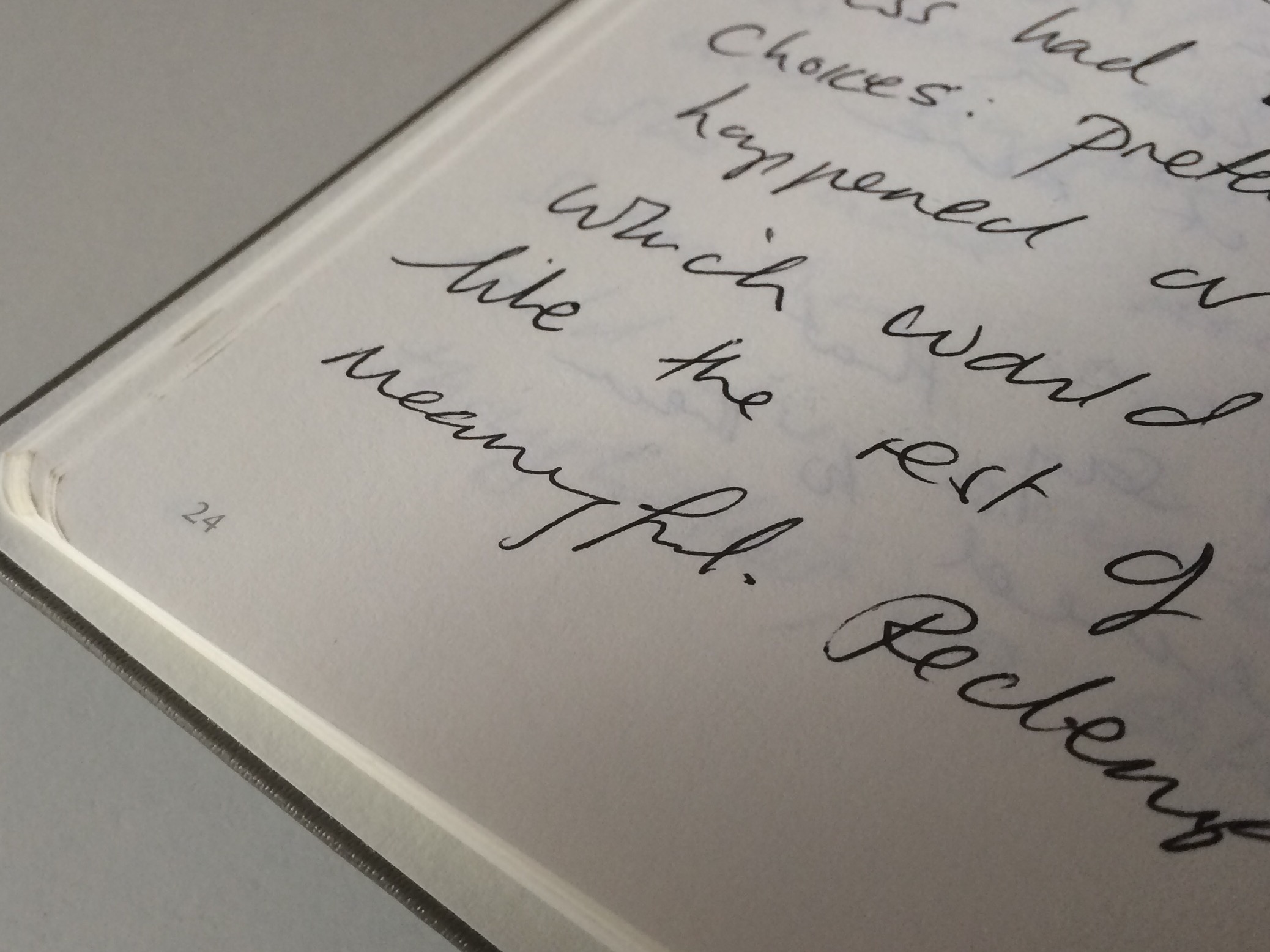
I’ve written before how I’m a fan of bullet journaling to keep track of things. The biggest pain in the backside about this method is having to number your pages in order to be able to create a table of contents for yourself. Voila! No longer a problem with the Leuchtturm, which is one of the reasons Ryder made it his notebook of choice for his kickstarter.

FullSizeRender-15 FullSizeRender-16

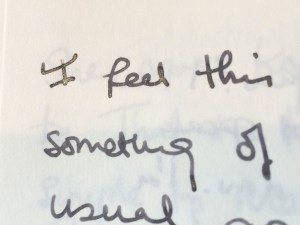
The second winning feature for me is simply the page quality. The slightly off-white, creamy colouring is really easy on the eyes. When using a gel ink pen it is like writing on glass it is that smooth. When writing with fountain pen, there is very little feedback, feathering or bleedthrough, even with a 1.1 stub nib:IMG_9258And despite the off-white colour, it still allows the colour to come out, like here with the gold flecking that comes with the J Herbin Stormy Grey ink. A lot of people love this ink concept, but were disappointed by how little it actually stood out on a lot of paper types. The Leuchturrm handled it beautifully, even if my photography is crappy and you can only see it here on the ‘I’. Forgive me, I’m only using an iPhone and the summer weather is once again verging on apocalyptic end of days when it comes to natural light.j herbin stormy grey

I should note that this isn’t a cheap notebook by any stretch of the imagination. It’s also quite hard to find in the UK in any retail stores, but you can always Amazon it. Or go to the airport. That’s where I found mine. If you’re prepared to pay for a Moleskine though, I would suggest trying this as an experiment. You also get a lot of pages for your money (248 in the A5), so it’s going to last you quite a while. They also do a range of sizes to suit your preferences, even if the huge master planner dimensions sound a little bit intimidating!

Writing should be a joy and good tools make this much more fun to do.

Finding my inner calm

One of my goals for this year was being able to meditate for 30 minutes. I am nothing if not ambitious. I think the most I achieved was 4 before getting completely frustrated and distracted. Oh, and really, really uptight and anxious.

I’m pretty sure that’s not what’s meant to happen. It was certainly not what I was hoping to get out of it.

Then I had an interesting conversation with someone at work who pointed out that feeling the state people (other than me) achieve while meditating is more to do with being in the state of flow, rather than specifically being able to put your ankles on your hips and say ohhhmmmmmm.

A lot of people get this state from running. That’s never worked for me either. The only thing I get from running is aching hips and a weird heart rhythm for the next three hours. Again, not relaxing.

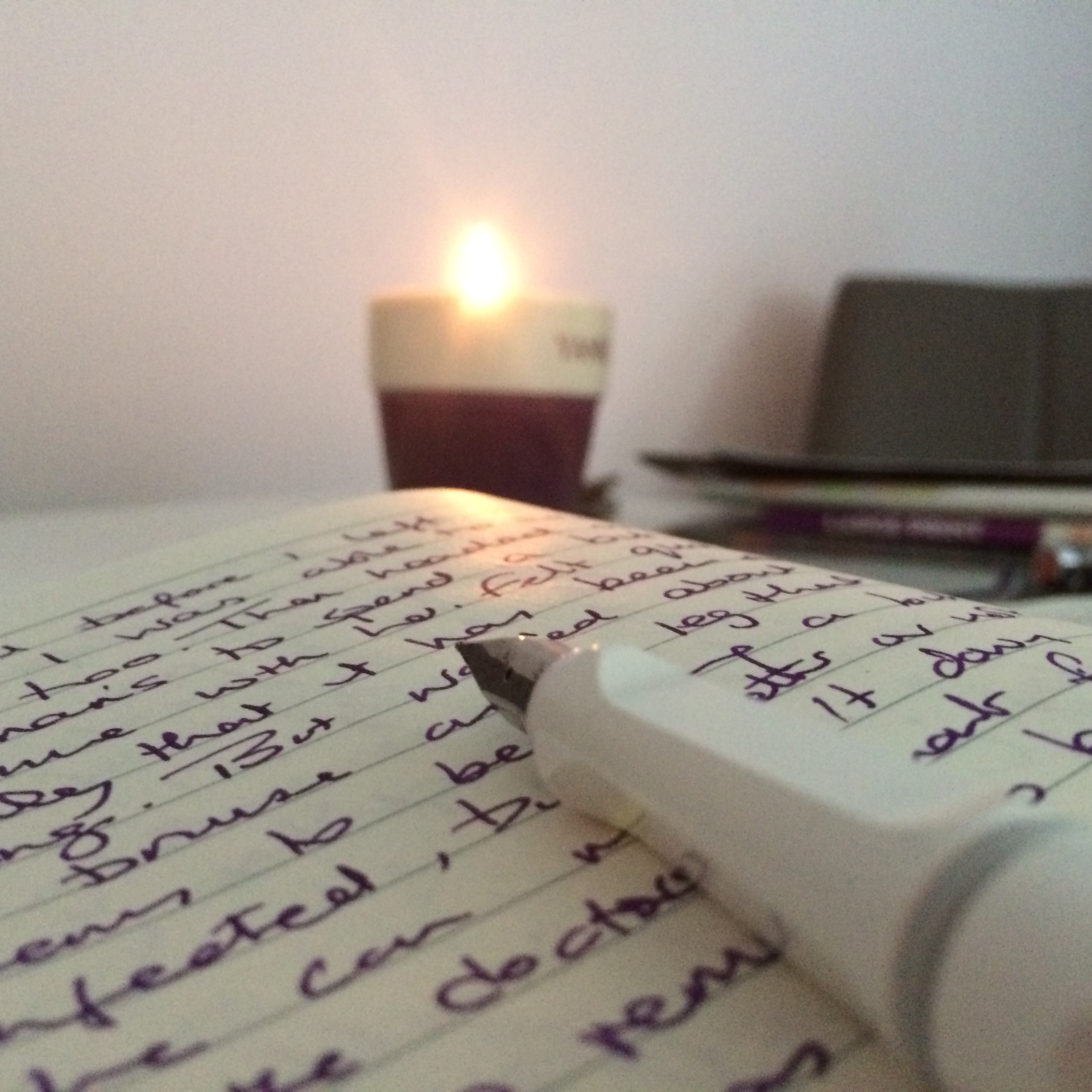
That’s when I heard that people were using Julia Cameron’s Morning Pages principles to not only become creatively unstuck, but also to get that sense of peaceful personal insight that comes from meditation. I took one look and realised I had the four things needed to make this engaging for me:

  1. Plenty of attractive notebooks
  2. Even more pens
  3. Even more inks
  4. Also some coffee and candles to create a bit of ambience and a sense of ritual.

IMG_9141

So I decided to give it a go.

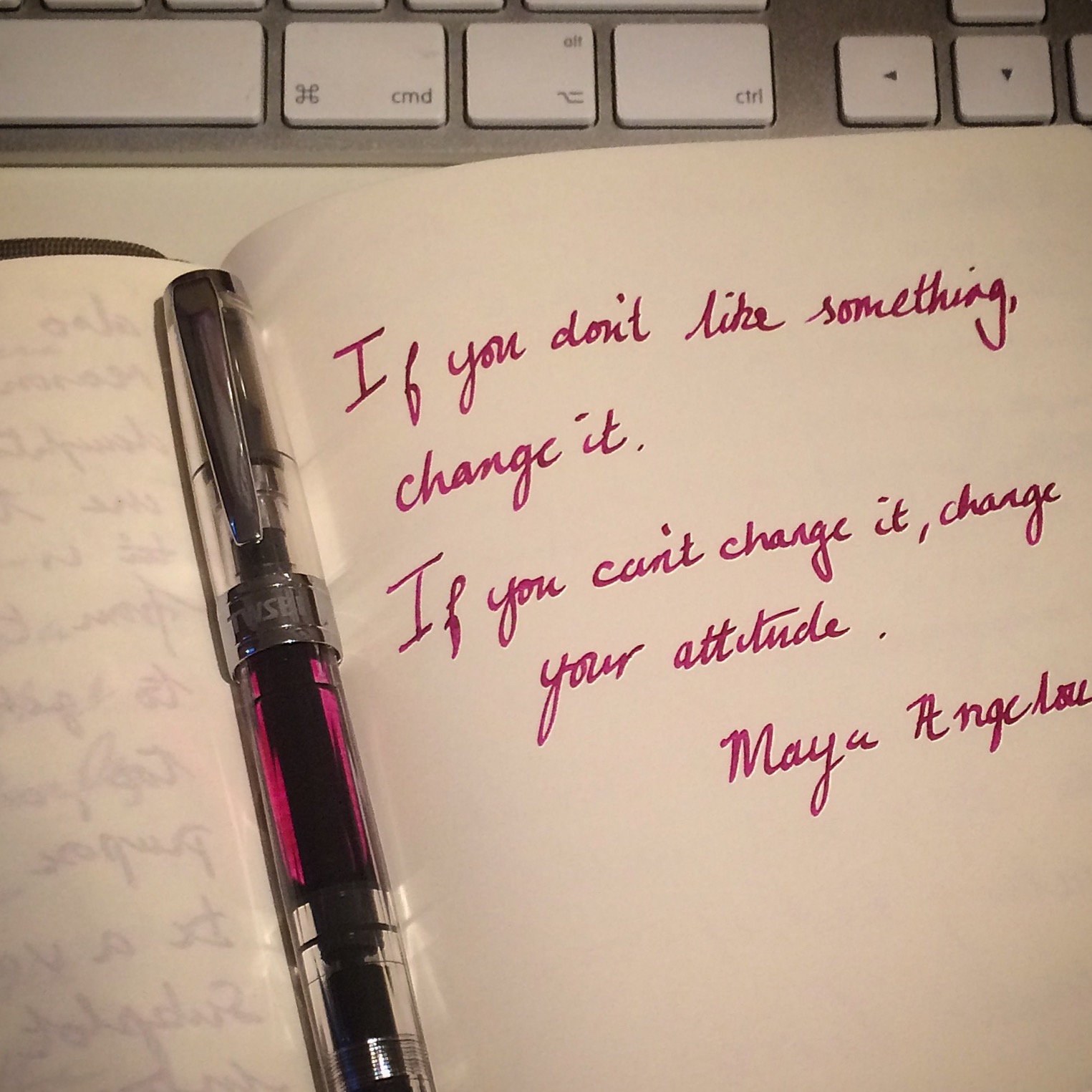
I started on the 6th July. Since then I’ve got through nearly three A5 lined notebooks (think moleskine, although I’ve discovered that a Leuchtturm 1917 is much better in terms of paper quality and features. Especially when using my current favourite fountain pen and ink combo, the TWSBI 580 1.1 Stub nib with Iroshizuku yama-budo). Turns out I’ve got a lot of thoughts going on.

FullSizeRender-14

The benefits have been pretty significant. I make sure that I start each set with three gratitudes. Not just in a list form, but really describing what I’m grateful for and why. After that, it’s whatever springs to mind. It can be positive, negative or just really, really boring.

Even though I’ve only been doing it for just over a month, I’ve already found I’m calmer and less responsive to external stress when it happens. I’ve become better at creative problem solving, both at work and play. I’ve become more willing to trust the universe, or whatever it is out there. Slowly, I’m becoming more accepting of myself. With that, comes a growing confidence too. Those last two points are a much gentler curve, but there is progress now where there used to be none.

So I’ve redefined my goal. It is no longer meditate for 30 minutes, but instead 30 minutes of daily meditative practices.

Sometimes, it’s about walking the road that’s right for you, not the one most travelled.

Life, Death and Achieving Goals

So, I have once again committed the cardinal sin of the aspiring author. Neglecting my platform building yadda, yadda, yadda. But now, as the crazy months of summer begin to fade, I thought it would be a good time to return. Because this week has been about reflecting on life, acknowledging death and celebrating achieving goals.

It is important, for this first time in my life, I am seeing these things and being grateful for them in a context where it’s not all about me. Yes, the past few months have been crazy, but that is because I have spent so much time helping other people do what they can to live out the best life they can offer themselves. My own dreams and aspirations certainly haven’t been on the back burner, as I’ve actually continued to be consistent about getting up at 6am each morning and doing my 1500 words. I’ve even taken the plunge and started submitting again. But I am also starting to appreciate the joy that comes from building a close network of strong relationships where everyone is invested in giving each other a hand up when they can.

sunsetAnd this celebration of living a good life was brought to a poignant reminder this week when I attended the funeral of a friend who had finally lost a long battle with a brain tumour. It was my first humanist service and it was quite beautiful. The clear emphasis on celebrating life rather than mourning and resenting death seemed so appropriate. Never ever had I seen her complain about her lot in life or do anything other than live each day to the very best of her capabilities. People always imagine they will be tirelessly strong and positive in these kinds of life-altering scenarios, but few actually are when the chips are down. It was an inspiration to see; even though it took death to make me really aware of it.

Finally, in the spirit of appreciation, my sister has achieved a goal she has been working towards and I am so proud of her. Not just for the success, but for the completion of such an immense task in the face of odds which would make a normal person throw their hands up and walk away. The outcome is fantastic, but for me the privilege has been watching her take the journey and letting me walk with her some of the way. When she cracks open a bottle of champagne tonight, I will also raise a glass here, no doubt in the direction of the old man’s urn on the windowsill there, because I know he would have loved the chance to be as proud of her as I am.

7 books that changed my life

I’ve been thinking a lot lately about how I just haven’t been reading enough. It is one of my goals for the year, but in amongst everything else it just seems to keep slipping. I find myself really struggling to get into anything new.

Which led me to pondering the question of which books have really touched my life. Perhaps if I can understand the things I’ve loved in the past, it will help me better choose what I want to read now. Once I started thinking about, it was tougher than I thought it was going to be. After all, how do you define such an impact? In the end, everything I selected met the following criteria: I have read them multiple times; they led to me doing something new or different and when I think about them, I instinctively feel they are comforting and familiar.

Only one on the list is non-fiction, so I’ll start with that.

David Allen, Getting Things Done

Perhaps this is the book that has had a direct impact on my daily life more than any other. I read it at least twice a year. I fall off the waggon about as often. But since I first read it, I have been able to organise my life and achieve way more than I would have otherwise. It allows my brain to feel less frantic in the work world, which is a gift in itself. Mind like water is still the goal.

Aiden Chambers, Dance On My Grave

I remember getting this book from the library when I was about thirteen or fourteen, venturing into the teen section. I didn’t really spend much time in the teen section as I moved straight to adult fiction fairly quickly. Yet this book about crazy, unpredictable, teenage love and the lengths it will make you go to when you lose it, opened my eyes. It also gave me the defining moment of what I wanted to have done after my own death, because I thought how useful:

“popped into the burning fiery furnace and reduced to manageable proportions, to whit: five ozs of fine grey ash, suitable for the making of egg timers”

Sir Arthur Conan Doyle, The Complete Adventures of Sherlock Holmes

Perfect writing, and memories of eating mint matchmakers at Christmas while reading story after story. I still do it most years. I’ve always been a little bit in love with the Holmes of the books, rather than the caricature of TV and film (Jeremy Brett excluded, obviously).

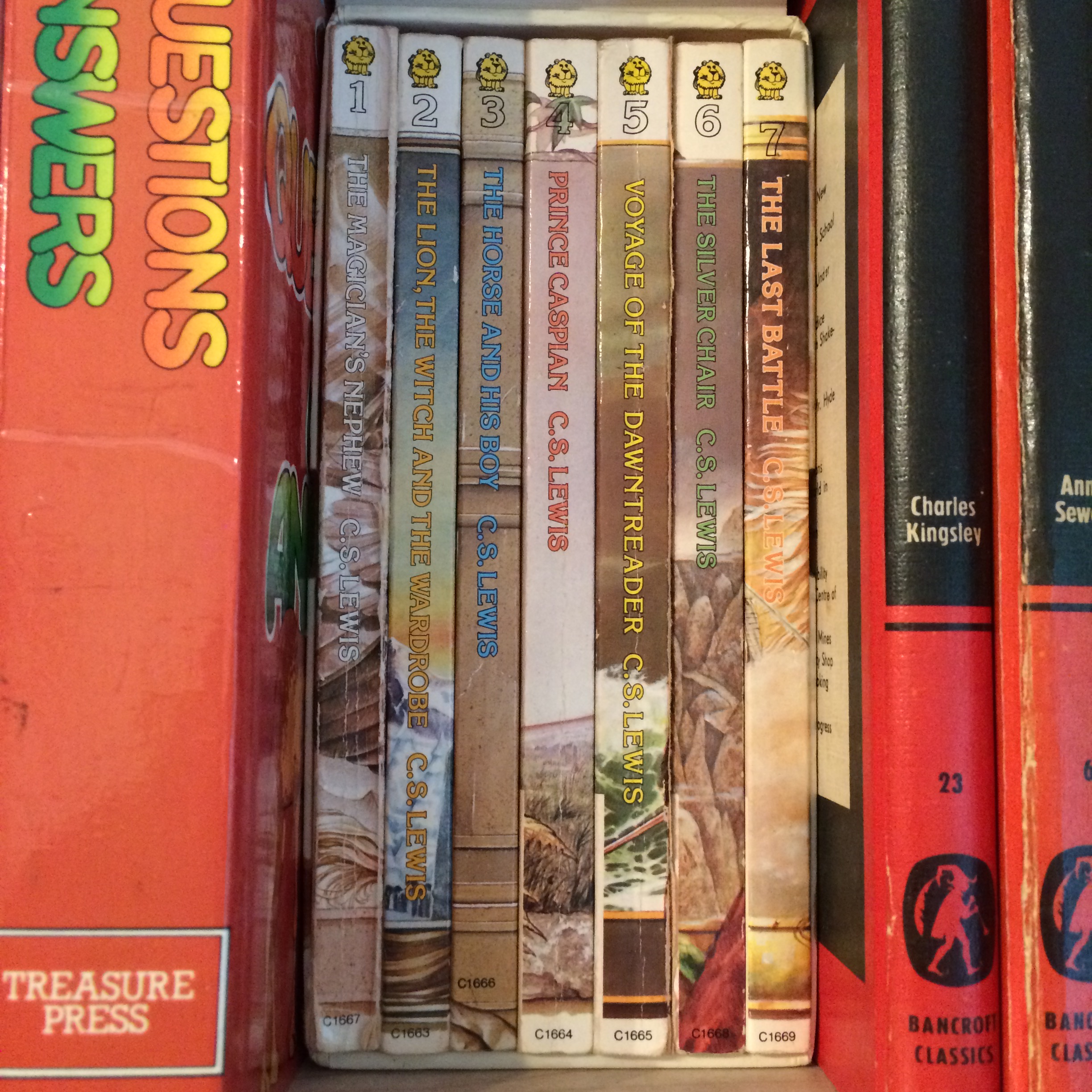
C.S Lewis, The Chronicles of Narnia

I am forever grateful to my parents for buying me the complete Chronicles of Narnia as a box set.

Still right here on my bookshelf

Still right here on my bookshelf

Mainly I’m grateful because I read The Magician’s Nephew first rather than The Lion, The Witch and The Wardrobe, so the magical wardrobe made entire sense to me. I’ve been getting annoyed with people who haven’t ever since. It was probably this that gave me my first love of fantasy and the concept that reading could make you escape into another world. Probably still couldn’t read the scene where Aslan is killed without crying, either.

Anne Rice, Interview With A Vampire

A quick jump into much darker elements of fantasy. My Dad had a copy of this on the bookcase and it was probably the first of many things I read when I was too young. There were pretty strict controls over age appropriate TV in my house growing up, but books were (mostly) fair game. If anything, this book taught me the importance of voice; the narration throughout this book feels so authentic, you feel like you are there.

Barbara Vine, A Fatal Inversion

Interestingly, I think I watched the TV series of this before the book. Certainly whenever I read it, I picture the actors, even though they don’t really resemble the descriptions in the book. That being said, I have honestly lost count of the times I have read this. There is no doubt it influenced my dreams for impossibly long, hot summers and aspirations of freedom. Not murder though.

Mostly.

Michael Connelly, The Poet

Finally, this book was a gift for my 21st birthday. By then I was neck deep in an English degree and books had been sucked of all joy. I really didn’t enjoy reading at all. I couldn’t just read any more, I had to analyse. It was a bloody awful time. Then my Mom & Dad got me this book (have you got the sense yet of how big a thing reading was in my house growing up?) and it had nothing at all to do with anything that could be related to a course. It was a modern thriller and a way back into enjoying crime. I read it in more or less one sitting. It made me remember why I loved reading for reading’s sake, not just to pass an exam. It also got me back into enjoying crime fiction and mystery after a time away.

So, I’ve just taken that trip down memory lane and I’m not sure if it helps or not. It certainly doesn’t narrow things down to author or genre. I suppose I’m just looking for characters I can engage with, voices that are authentic and plots that I can’t predict. I’ve also realised I’m in much the same slump as I was back at university. I spend so much time editing these days (both work and personal) that I feel like I’m just seeing the words, never the story itself. It’s probably going to take a really good book to shock my brain out of that state again.

I just hope I find it soon.

Anyway, I can obviously recommend all of the books above if you haven’t read them already. If you have anything that you think can break through the ice in my brain, then leave a rec in the comments and I’ll gratefully take a look.
 

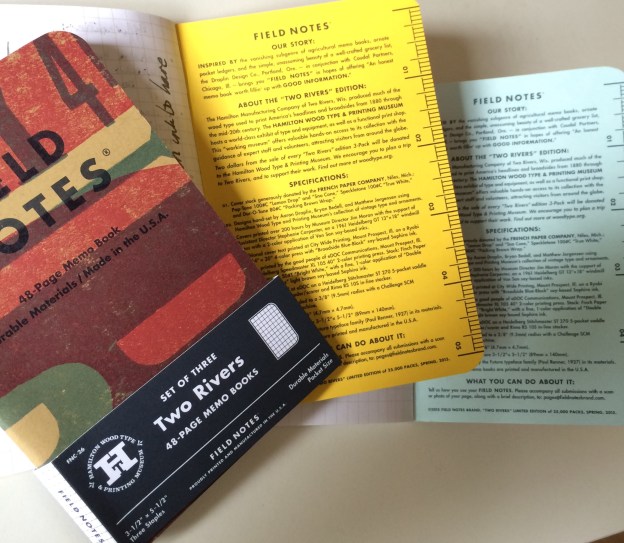
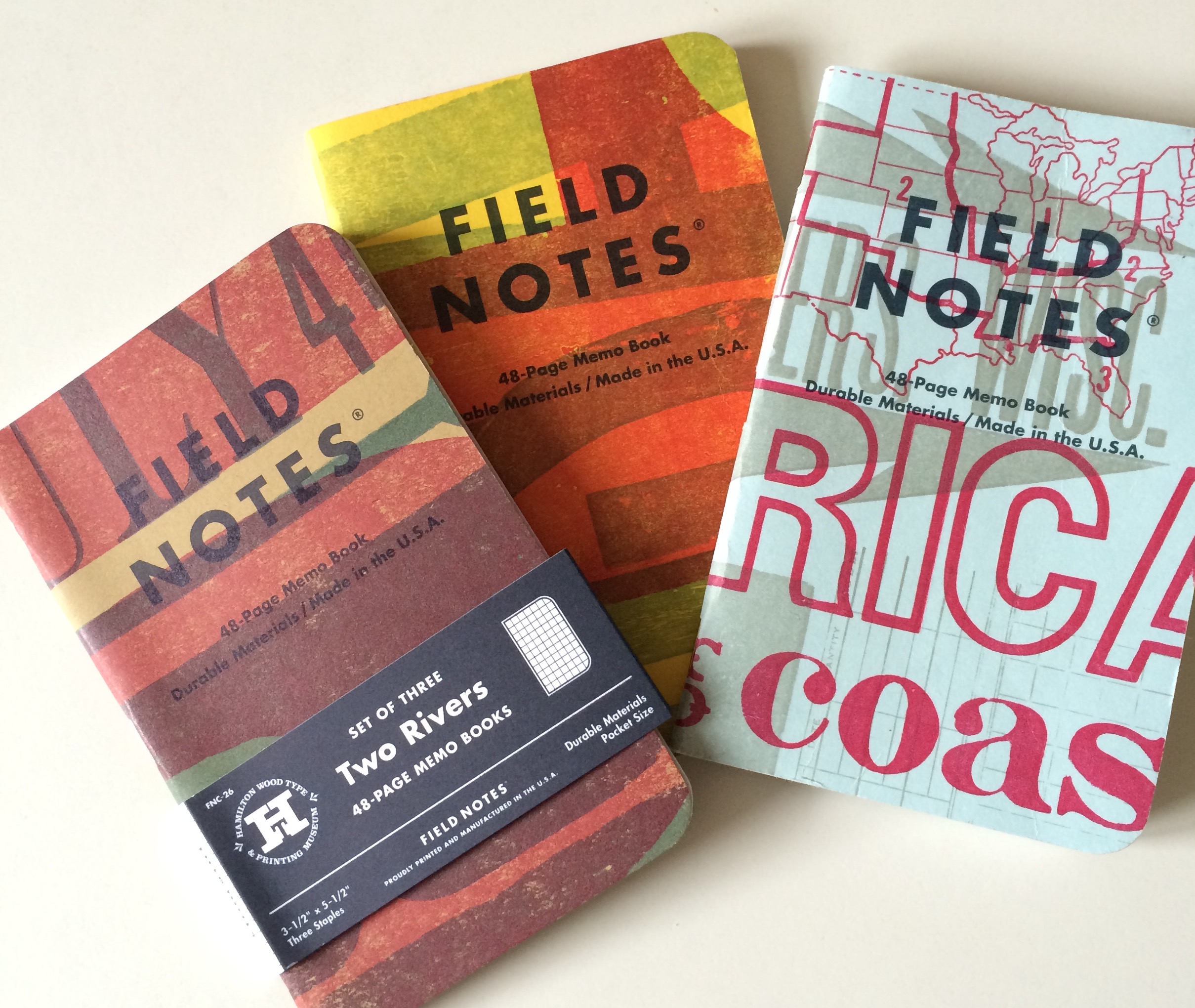
Field Notes – Two Rivers Edition Review

With the summer Field Notes release almost upon us, it seemed like a last chance for me to do a review on the Two Rivers edition. I have used 1 and 3/4 notebooks from this set, so I am torn between finishing up the existing one or holding out to see what the next release will be. My handwriting may become quite small over the next week or so as a result.

Field Notes Two RiversThis was the set I opened (not the only set I purchased *ahem*) and the light blue one was the one I started first. I love this edition for its multitude of designs, which means that no two packs are actually identical. Nothing like uniqueness to drive the hard core collectors absolutely nuts. Plus, it was another set with gridlines, which is currently my absolute favourite. Although, if they pull out a dot grid for the next edition you wouldn’t hear me complaining.

Everybody knows I love the size and handiness of Field Notes. They are perfect for ‘on the go’ capture as well as being fun. This set has already seen a bit of Europe, so I think it’s safe to say it works well as a traveler’s notebook. I’ve taken the bullet journal system and modified it for what I need, so I have the flexibility to get stuff done, as well as be inspired:

The dichotomy of modern life

The dichotomy of modern life

My only wish is that the paper was more fountain pen friendly, but that is not really the intention of an everyday carry notebook. At 48 pages, it might not carry the clout of a moleskine, but it does mean I get to start a new one every 6 weeks or so, which is way more interesting and engaging. Plus, the Two Rivers edition also comes with a charitable donation towards preserving a culture and heritage project, which you can find out more about here.

So how do I rate the Two Rivers edition? I think it is the most enjoyable one I’ve had so far, and certainly gives a nod towards the original purpose of the edc notebook style. I’ve enjoyed using it a lot, to the point the latest one has started to fall apart. I can’t wait to see what the summer edition is, but this is a pack I’ll be going back to often in the future. I love it.


Happiness is the key

I am very goals driven. I have no idea how that came to be, other than perhaps the fact I am a control freak with parents who demanded the very best from me at all times, with an innate sense of dissatisfaction with the status quo I carry round with me permanently. Maybe. Just guessing.

Despite that, I’m constantly battling that part of myself which is actually happiest when I have nothing to do and all day to do it. Laziness is the first word that springs to mind. But is it, really? Is it lazy to take time out to recharge? Isn’t that why everyone loves holidays so much? Even the busy sight-seeing types are built around doing something inherently fun, not goal driven. True, visiting a certain country or city might be a bucket list item, but it’s not driven by the work/achievement reward system.

I’m a productivity junkie. I can’t help it. I love all that kind of stuff. Smarter, faster, leaner. Not harder. Better. Get the very most out of the time we have available. And yet…?

Increasingly it becomes clear that time out is the key to making that all work. Without it, the goals themselves come to lack satisfaction, even if they are achieved with speed and precision, excelling all expectations. We lose sight of what actually matters most, when it all becomes about ticking a box. All tasks, if we’re not careful, come to take on equal weight.

Life isn’t like that.

A three day weekend could have been about cramming something into every second to make sure the extra time away from work wasn’t wasted. Whilst it’s true that I got a few things off the list, yesterday was mainly about being still. About taking the time to think about what I was feeling as much as where I was going. I’ve recently switched up to writing my journal in the morning rather than the evening, so it becomes about being mindful at the beginning of the day, not simply reflective at the end. So far this appears to be working for me. It will need a longer run to see if it’s sustainable, but if it is, then I think it could be one of the keys to enjoying life more, rather than doing life more.

Time is short. Life is precious. But being successful – in our modern definition of the word – doesn’t automatically equate to looking back on a life lived with no regrets. I’ve spent the past few months letting go of dreams I’ve held too tightly for over a decade. It’s been painful, but it’s allowed me to see the bigger picture again. It’s opened up the space to allow me to dream more; dream bigger. Like letting go of your first love so you can actually make room in your life for finding your true love.

It can feel like losing a part of yourself, but like pruning a rose bush, it just allows you to come back bigger and stronger than you were before.

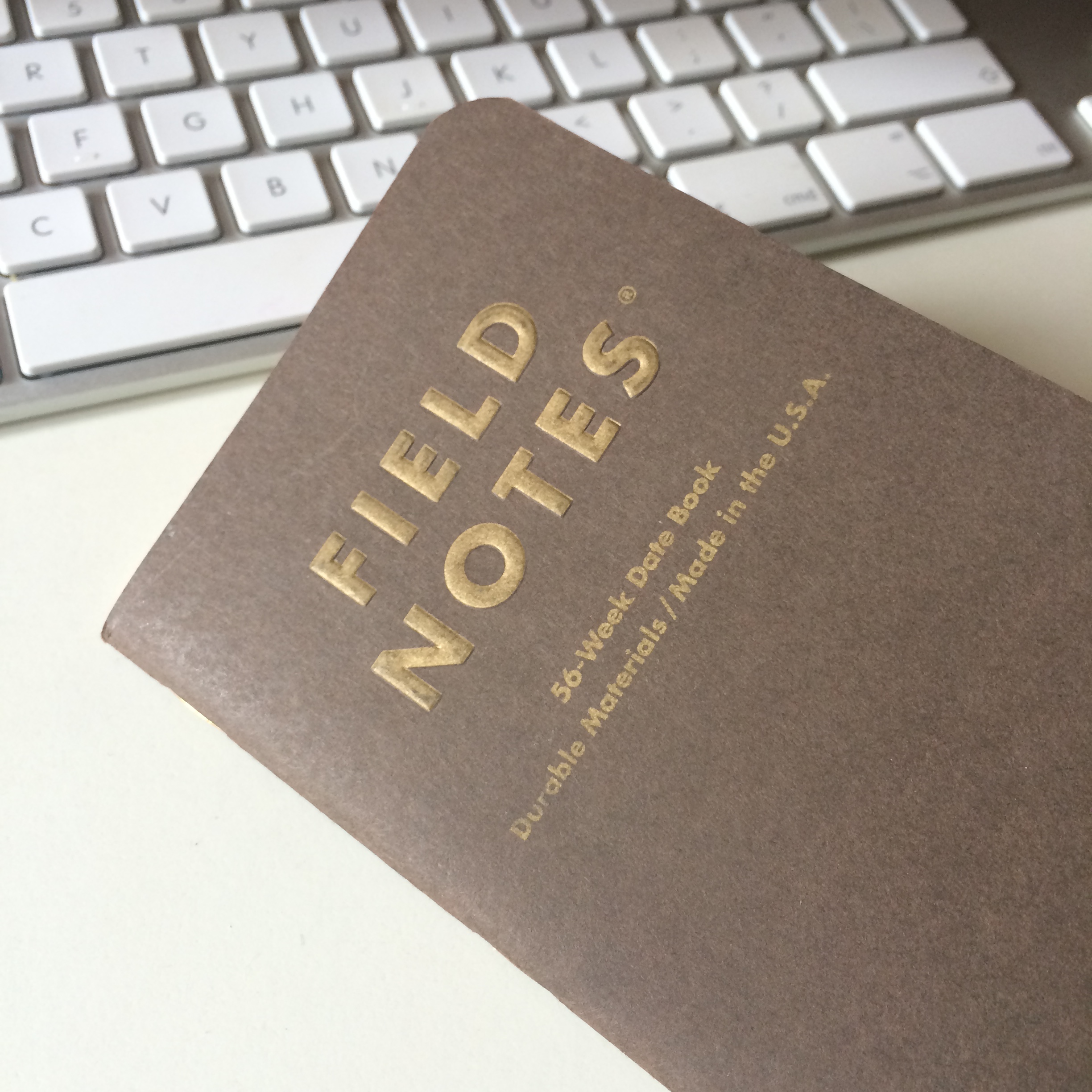
Field Notes Datebook Review

I have to say, from the moment I first received the Field Notes Ambition edition, I loved it. Enough, in fact to become a colours subscriber there and then, which I’d been putting off doing for over a year already. I did have some concerns though. After all, this wasn’t the standard approach of all the interiors being the same. Alongside the regular notebook (graph paper, my favourite) there was also a ledger and a datebook. These are, obviously, notebooks with very specific uses.

Field Notes Date Book

The memo book was used up really quickly. That was a no brainer for me, especially with the slightly thicker paper that made it quite fountain pen friendly. The ledger? Well, I feel like I’m still working on getting the most out of that one, so I’m certainly not in a position to give it an objective review. However, the thing that has surprised me most is how consistently I’ve used the datebook. It’s actually worked out quite well for me. So, how do you use it and make the most of it? I think it’s by focus.

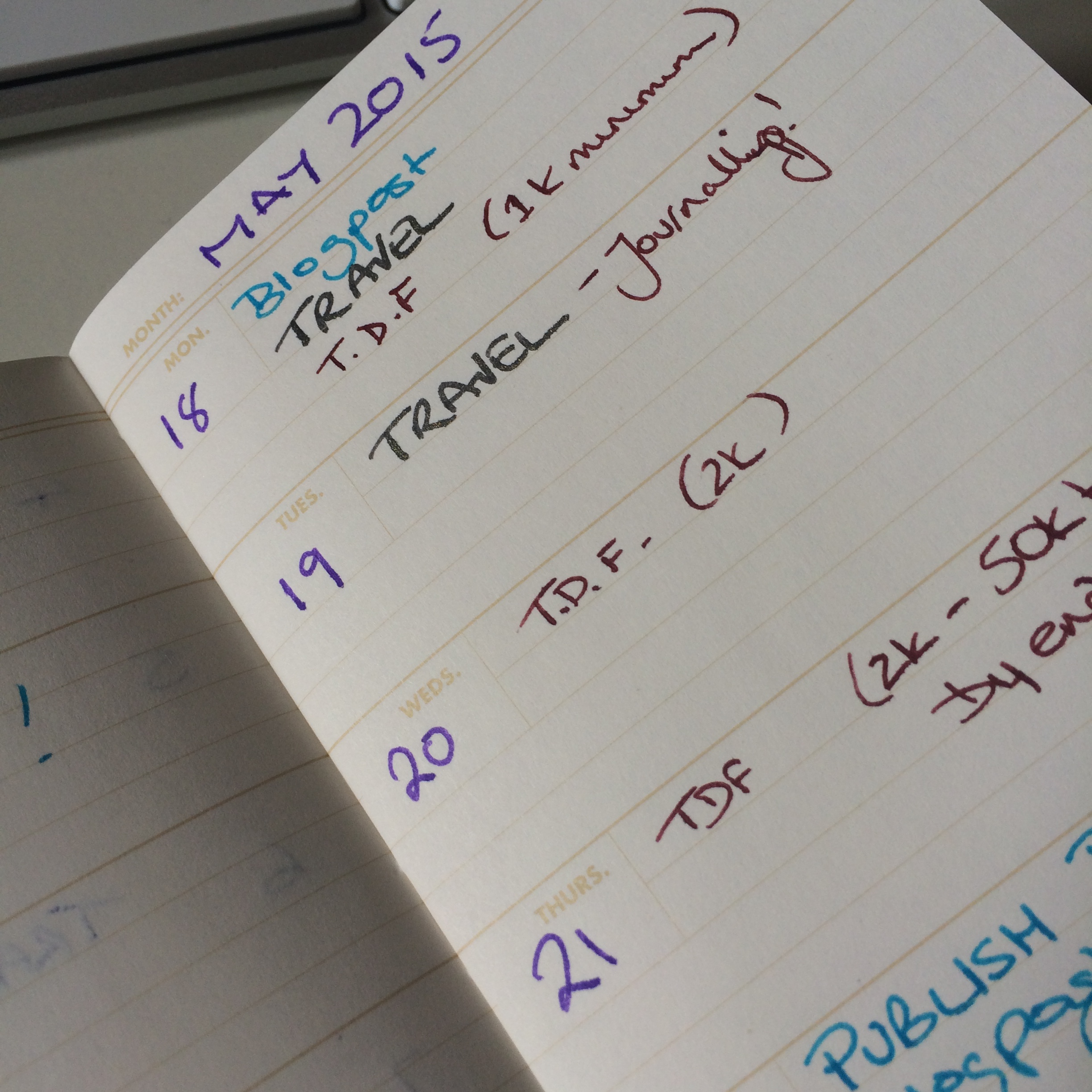
Calendars for both my personal and business life are shared digital entities. We live in a fluid and ever challenging world; my schedule never goes how I envisage it at the beginning of the week. So instead, I use the Field Notes datebook as a way of planning and tracking my writing schedule only. By having only one, very specific purpose for it, I am able to go back to using a paper planner despite living in a very digital world.

Field Notes Date Book Use

Ignore the terrible handwriting, please. The only ‘calendar’ style item that goes into the Field Note datebook is when I’m travelling. This has an impact on my 6am morning routine sometimes, so I need to make sure I do extra planning to negate that as much as possible. The rest is just a simple scheduling approach to writing projects that I need to get done, whether they are media (such as blogposts), creative endeavours (the actual writing itself and a goal word count) and then any other writing related activities that are more of a business nature.

I plan these every Sunday as part of my weekly review. This gives me a chance to not only schedule my writing, but see what is and isn’t working. So far this year, I have found this approach to be immensely useful. Even though there have been more exciting highs and sluggish lows this year than normal, without this book I don’t think I’d really have a handle on what’s going on. This gives me a degree of security that I guess this blog is all about when it comes to blending creativity with productivity.

I’m also hugely grateful that a friend bought me another pack of the Field Notes Ambition Edition back from her recent trip to the States, which means I have another date book I can use next year!

I’m sure most people have one area of their life they wish they could focus on more, whether it is health and fitness, reading, or study. If you’ve been looking at the Ambition edition and wondering how you could possibly use it, then I’d say this way is a definite contender. As you date it yourself, there’s not even any dependency on waiting for the start of a new year. Commitment and focus can start at any time you choose.

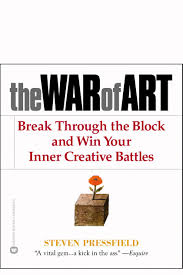
Book Review: The War of Art

I had heard much talk of Pressfield’s The War of Art, but it always remained tucked on the back of my to read list. Then, as serrendipitous conversation with a colleague led to her lending me the book. Suddenly, all those reviews about it being a game changer made complete sense.

 Most of use have two lives. The life we live and the unlived life within us. Between the two stands Resistance.

The concept is simple: resistance. We all feel it, we all succumb to it. This book is for anyone who has dreams – hopefully big dreams – that never seem to get closer to being tangible. I’m not talking pie in the sky, wishy washy vague aspirations. I’m talking about those people who know there is something more important they should be doing, perhaps something they were put on this earth to do, yet never actually moving forwards. Because resistance gets to us all.

The Book is itself divided into three ‘books’ and the first one ‘Resistance – defining the enemy’ is perhaps one of the easiest things I’ve ever read. I positively devoured each page, recognising myself staring back in among the words. Pressfield has mastered the art of the bite size chunk. It is both brutal and inspiring at the same time.

Book Two ‘Combating Resistance’ was a bit slower, less immediate, with more to digest in each section. I found myself naturally pausing more and thinking about what was being said, rather than having an instantaneous response.

Book Three ‘Beyond Resistance’ is more spiritual in some ways, but also more empowering. Whilst it explores the concept that we might have a reason for being, a talent for want of a better word, breaking past our own fear and being that true self is not automatic. It is still up to us to do the work. To take those first steps, to follow through and finally to complete. It doesn’t sugar-coat anything; just completing once is unlikely to be enough, it is in persistence and continued moving past resistance that the the higher ground can be found.

This book is an easy read in the grand scheme of things. More importantly, for those teetering on the edge, it has a knack for providing a mind shift towards getting off your backside and achieving the best you can be.

war of art

I can’t wait to read Turning Pro.

The importance of a quarterly review

We’re at the end of March. Which means one thing: quarterly review time!

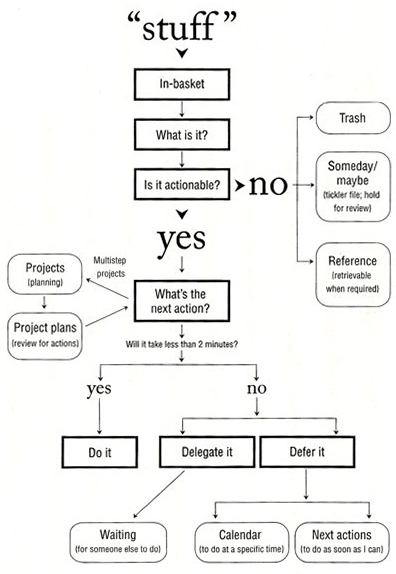
For years I have been a follower of David Allen’s Getting Things Done system. It works. In my opinion, it is the first step in allowing you to start being more productive in all areas of your life, not just your career. I think one of the common misconceptions about the whole GTD methodology is that it is just for work. For go-getting executive types. The ones with the sharp suits. Spoiler alert: that’s not me.

What I am is a busy person with a tendency to over-commit. I also keep a level head in a crisis and in the face of overwhelm, which helps people believe that they can dump more sh!t on me because I am keeping my head above water. It’s great, really. I love it.

But being productive is only one part of the picture. I don’t want to be super-efficient at all the wrong things. That is about as fulfilling in the long term as doing nothing at all. So while a lot of people focus on the lists and gadgets to implement GTD, for me the most important – and oft overlooked – part is the weekly review.

In order to really stay on track though, I think it is vital to implement a quarterly review. Why? I hear no-one ask, because that sounds like just another thing to add to the list. I’m going to tell you anyway. You can say thank you later.

It gives you a chance to course correct

If you want to make God laugh, tell him about your plans – Woody Allen. We set out at the beginning of the year with the best information available at the time. Then external circumstances change. Even if you’ve been making good progress, if things have changed too much, you’ll just keep getting further and further away from the new best end result. Every three months is a good time to assess those changes and course correct as necessary.

It motivates you when you see how much you’ve achieved

I’ve already hit the my first big writing goal of the year. I’ve got a huge house project that’s been hanging around for ages done at last. Sure, I’ve not been perfect, but it’s not been terrible.

It gives you a framework to address consistent areas of weakness

I haven’t hit any of my health goals for this year. In fact, it’s the one area of my life that when I look back over the past three months, I see consistently poor and even backwards progress in some cases. We’ve all got these areas on our life. The hardest part is facing up to them. This is your chance to do so.

*puts down doughnut*

It means you don’t look at your New Years Resolutions in December and realise you’ve wasted another year

Because we’ve all done that, right?

A few quick step-by-step approaches

1. Review the goals you set at the beginning of the year and assess the progress you’ve made. Honestly.

2. Get rid of those goals you added on because you thought you should, not because you wanted to. You’ve got no reason to do them, not emotionally, so they’ll just clog up your list. You need goals that you’ve connected to, the ones that have a why? attached.

3. Have you been capturing all those things you need to do into somewhere reliable? If not, do a mindsweep and do it now. Put it on paper, on your laptop, your smartphone, whatever you choose. Just make it somewhere you’ll look that you trust.

4. Look over your life – all areas, all levels. Is what you’re doing consistent with your roles and responsibilities? Your dreams? Your 2-5 year vision? There’s no great mystery behind this. If you start doing it, honestly, you’ll find some part of your psyche tugging you towards something if you’re off track.

5. What next action steps do you need to take to get moving again on your goals?

6. Pick one of them and do it immediately once the review ends.

That’s it. It really is that simple. All it takes is the commitment and will to move forwards.

Good luck!

GTD-Workflow

Why I achieve more by taking a proper break

I need a holiday. 

I know that is a phrase people use a lot. If you’re American, or some other nationality where vacations are your preferred terminology, then I apologise. I’ll be holidaying all the way through this post and beyond.

IMG_1032

I genuinely don’t understand people who don’t use all their annual leave. Especially in places where you get two weeks a year. I’d emigrate. Seriously. I was all set to move to a job in Canada until I realised I’d only get that much time off a year. A regular break allows you to rest. Recharge. Come back stronger and more creative than ever, in both your personal and business pursuits.

Anyway, I always want a holiday. Most people do. In a world where global travel is easier than ever, it’s a dream that is always tantalisingly in reach. But I’ve also reached that point where I know when I need one. The two things are very distinct. Needing one comes when the alternative is curling up into a ball each morning unable to face the prospect of another day of ‘stuff’.

When I need a holiday, anything that takes effort becomes ‘stuff’. Working out. Reading. Getting up. Brushing my teeth… Luckily, my requirements for a break are very simple:

No real connection with the outside world, other than emergency communication. Any tweets / blogposts to fill the gap are prescheduled. Wifi is a curse on holiday, not a blessing.

Some sun and sea is always nice.

I always gravitate to the ocean

I always gravitate to the ocean

Having someone cook for me. I love to cook, and I do all the cooking in this house, so having someone prepare meals for me always feels like a treat.

Time to read. Oh how I wish I had more time to read. I love being able to binge read on holiday.

Time to write. Specifically, time to come up with ideas. To brainstorm. To invent interesting characters and devious plots. To reconnect with the enjoyment of writing, rather than the business strategy that comes with it. Writing longhand in a cool notebook under a palm tree. Occasionally while channeling Hemingway with the alcohol to go with it…

Did I mention the sun?

Sleep, with no alarm. I tend to still wake before 7am on holiday, but I love being able to come round to a natural gentle alertness, rather than the bloody marimba ringtone on my iPhone.

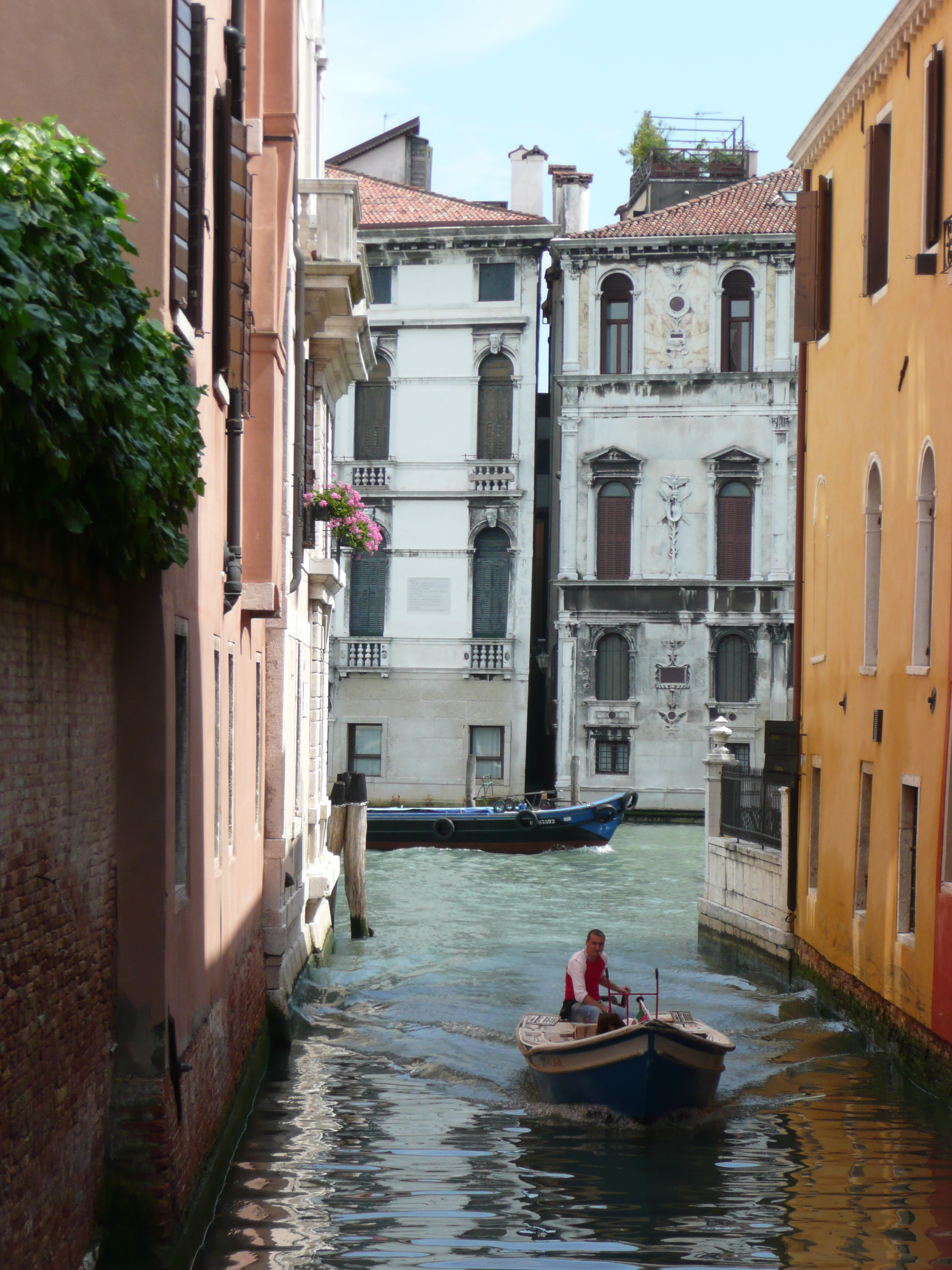
European coffee. Let’s face it, it’s better than anything in any English-pretending-to-be-American-pretending-to-be-Italian coffee chain. You know who you are. Actual Italian coffee. Venice was particularly nice.

Venice

I think they are all perfectly good reasons. I also think we’re living in a world where stopping and taking time for yourself is increasingly put on the back burner, something you can get round to doing later. It’s one of the reasons why, in the western world, we’re raising a generation that is unlikely to outlive its parents, no matter what the miracles are in modern medicine. Don’t count on being able to get a bionic version by the time you need it. It might not be there. Don’t believe me? Where are those hover boards we were promised, huh?

If you value yourself, think about it. Give yourself a chance to do so much more, by occasionally doing so much less.