Tag Archives: spiritualism

My Top 5 Books of 2014

These are my top 5 books that I have read in 2014, not necessarily that were published in 2014. Sometimes I’m late to the game, but just because something isn’t brand new, doesn’t mean it isn’t worth mentioning. Every year I intend to read more than I actually do, but this is the first time since I was at University that I have taken advantage of the library on a regular basis. It’s the perfect way to try something you’re not sure about, which has led me to some complete gems over the past twelve months.

So, without further ado…

General Fiction

The Girl Who Saved The King of Sweden by Jonas Jonasson
The Girl

This book was immensely enjoyable, but hard to describe. Larger than life characters and even bigger plot, this book was so carefully crafted that the suspension of disbelief – even in the face of insurmountable odds – never wavered. I dare anyone not to root for the main character from beginning to end. From Soweto to Sweden, the comedy is punctured by some dark moments, but a reminder to never, ever underestimate someone because of who you believe they are.

Fantasy

Mistborn by Brandon Sanderson

final-empire-2

My sister is a huge fan of Brandon Sanderson and she’s been trying to get me to read his books for years. I finally got round to doing so earlier in the year, and I’m glad I did. I think Mistborn is a perfect entry point into his writing, and you can read my original review here. For any would-be writers of fantasy, it is also a great tool for understanding the importance of world-building and how to get the balance right between background and plot.

Self Help / Personal Development

The Happiness Advantage by Shawn Achor
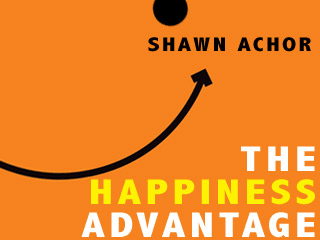
 

I found this book by way of his Ted Talk, via the Productivity Book Group podcast. As a person not naturally given to positivity (I tend to think of myself as a hardened realist), I’ve been trying very seriously over this past year to work on my mindset as much as anything else. Insightful without being patronising, this book has delightful anecdotes, interesting research and some basic, simple tips to help people take the steps towards the benefits of being more mindful.

Biography

My Spiritual Journey by Dalai Lama

Spiritual Journey

This falls into the category of random library find. I gave a brief review of it earlier this year. It was humorous, insightful and gave a picture of the man I had heard of (who hasn’t?), but didn’t really understand. Spiritual without being preachy, there was no attempt to hard convert to Buddhism here, as there so often is with books containing religious figures. It was simply a fascinating window into the life of a man who has travelled a very different road to most of us.

Business

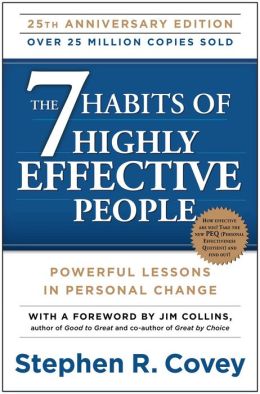
The Seven Habits of Highly Effective People by Stephen Covey
7 habits

In the interests of honesty, this was not the first time I had read this book. It was probably one of the first books I had read on business/personal development, probably a decade or so ago. Back then, I just didn’t get it. I found it too dense, too remote, too hard to plough through. The only thing I remember taking away was the concept of mission statements. I opened it again this year and it was a completely different experience. I was finally ready for it, I think. I’m a big fan of organisation and productivity – both personal and business – and I try to follow the principles of Getting Things Done by David Allen. Now that is engrained in my life (six years and counting), I think the maturity of my own process allowed me to understand the bigger picture approach that Covey prescribes. Proof that sometimes, you have to go back to something twice to get a true understanding of the content.

Now I’m starting to plan my reading for 2015 – if anyone has any contenders then feel free to pop them in the comments below. I’m always up for a challenge!

Fortune Cookie

An Abundance Mindset

I really struggle with having an abundance mindset, but I’m trying. An abundance mindset is not believing that just because someone gets something it means you don’t. Even though my rational brain states that it’s not true, my emotional brain always tries to scream ‘mine’ and get me to run to the corner and hide.

I think I can firmly place how this all began. As a child, I played nicely and looked after my things. I’ve always been very careful with my ‘stuff’. I don’t consider myself to be materialistic in the sense that most people think; I don’t want fine art, the best things, or even things that are better than what everyone else. I’ve no desire at all to keep up with the Joneses. I just like my stuff to be my stuff. I’ve had been that way since I can remember. Then, when I was six, my baby sister was born and came into my life like a tornado (which, in fairness, she has pretty much remained ever since) and as a baby / toddler had no qualms about breaking my stuff or smearing it in melted chocolate that she had refused to relinquish from her grubby little fist for six hours.

Thus began the concept of ‘mine’. If I share, it will be taken from me and destroyed.

Of course, as an adult, take that attitude too far and you simply become cynical and bitter. So whilst I’ll probably never be great at sharing with the other kids, that doesn’t mean I can’t be happy for them when they have achievements and blessings in life. It might mean overcoming the worst parts of my nature, but I’m determined to give it a try.

Now give me my blog back. It’s mine…

Tracking Goals: Going Analogue

Along with Lift (edit: now coach.me), I’ve also found something analogue to help with my habit formation and personal development. This is the cool Goals Journal from kikki K.

IMG_5378

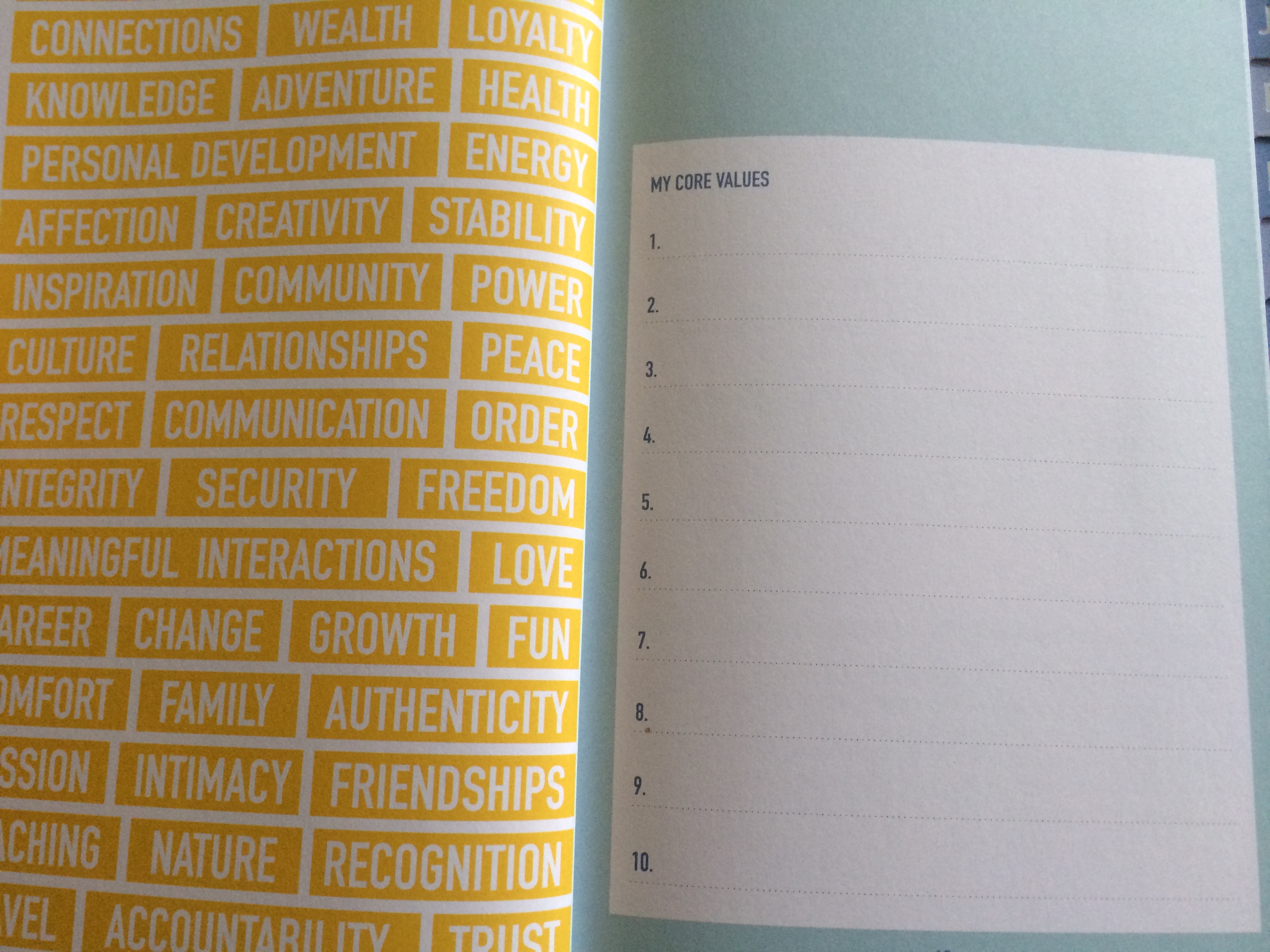
It takes some time to set up, but the process of doing so is really worthwhile. Instead of just coming up with random goals, it starts with the premise of trying to define your dream life. There are several helpful examples that talk you through the process, for example, stating your core values:

IMG_5379


The dream life itself has a few key factors, one of which is explicitly stating when you want to be living this. That took me a bit of thought. I obviously wanted to pretend I could get my dream life as soon as possible. Next week! But reality kicks in. So setting the balance between plausibility and so far in the future you’re not actually motivated to start straight away is a thought-provoking act in itself.


IMG_5380


Once you’ve worked out where you’re going to be, there is a section for each month where you define 4 goals. Only four for the month, so as long as you do it sensibly, it always feels achievable. The key part here is stating why you want to do this – how does it propel you further towards your vision?


IMG_5381

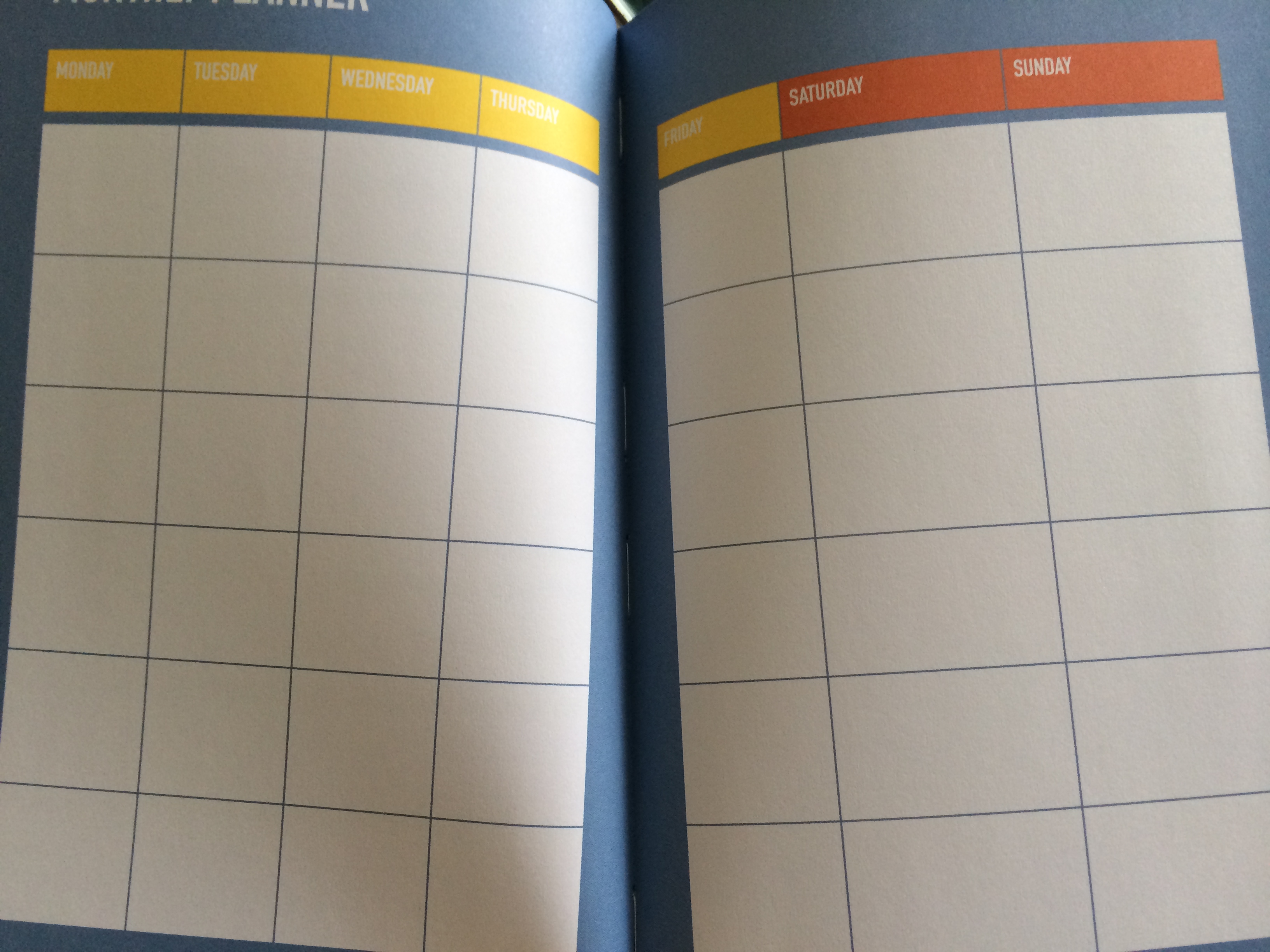
Of course, we all know that setting out goals is not enough. If only it were. But no, you actually have to take action to achieve them. To combat some of the most common excuses (I don’t have time etc etc), for each month there is a timetable. This urges you to set time aside for your goal work in the same way you would schedule an appointment for all the other areas of your life. This highlights how much time you really do have in your life if you want it badly enough.

IMG_5382


So, tomorrow being the 1st of March, I have completed everything and now it is all set up. At the end of the month, it’ll be interesting to see the progress I’ve made on my four defined goals (and if I gave myself the reward regardless…).

Book Review: My Spiritual Journey by The Dalai Lama

Having joined the library as a ‘must do’ after my move, I decided to use the opportunity to get hold of books that I might not have taken the time to purchase when I was living back in England. As with the rest of this move, it is all about embracing the new.

Which led me to picking up My Spiritual Journey by The Dalai Lama. Disclosure: I am not a religious person. I was not brought up in a religious family, but was always told to go out and see for myself what was out there.

That said, the most interesting bit of the book that I found was not actually to do with religion or the spiritual journey of The Dalai Lama (although it was informative and excellently translated into English). No, for me the most interesting was his role as the spiritual leader of Tibet. I have always been fascinated by the intersection between religion and politics and this was an excellent example. Although obviously biased, this was well enough written to make me feel moved on behalf of the Tibetan people.

Likewise, the destruction described of the natural environment of Tibet – which I am assuming to be true given what we know about Chinese industrialisation and deforestation as a whole – left me feeling extremely sad that this would be the case.

Overall, I would give this 7/10 – the loss of marks mainly due to the repetition of several of the key themes. Not one to be dismissed if you are a person of a different faith, as the tone of this book throughout is entirely inclusive.