Tag Archives: personal development

Floating: why it is beneficial to my physical and mental health

Everyone who knows me understands that I inhabit a strange place between logical efficiency and unconstrained creativity. Essentially, this:

venn

In reality, I try to be efficient so I can get the things I must do out of the way as quickly as possible, so that I can enjoy the things I want to do. Like a lot of people, I frequently seem to slide down the slippery slope towards getting more done, rather than getting the right things done.

Luckily for me, just under a year ago, Time To Float opened up nearby. Before, I had travelled to London to float, but for anyone in the centre of the England, this is infinitely more convenient. So, why did I try it and why do I keep doing it?

1. Sleep

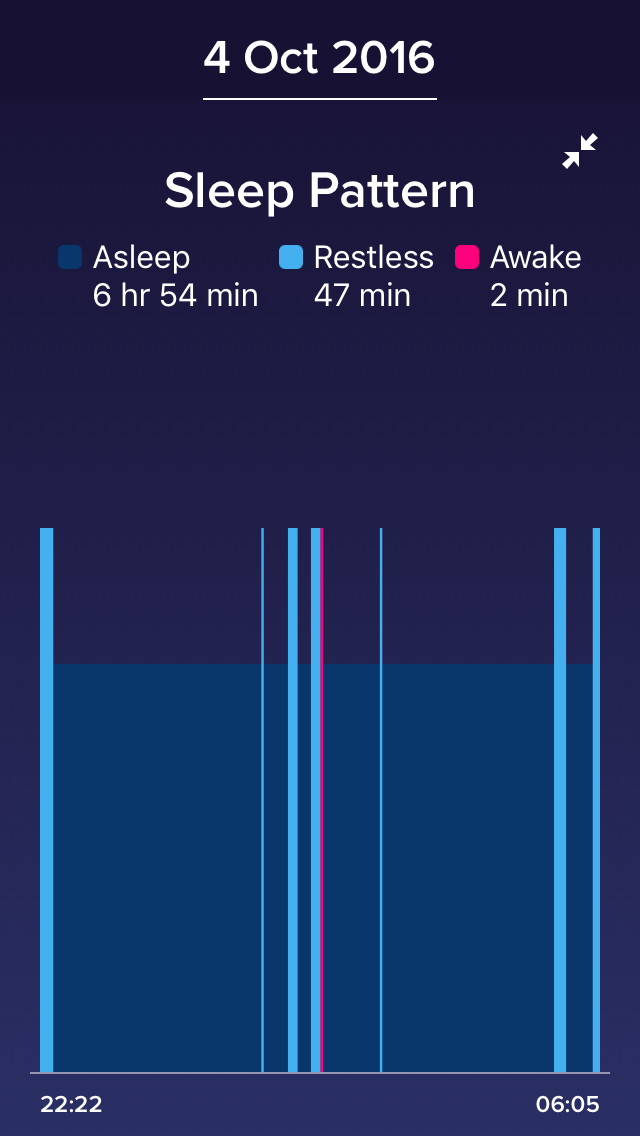
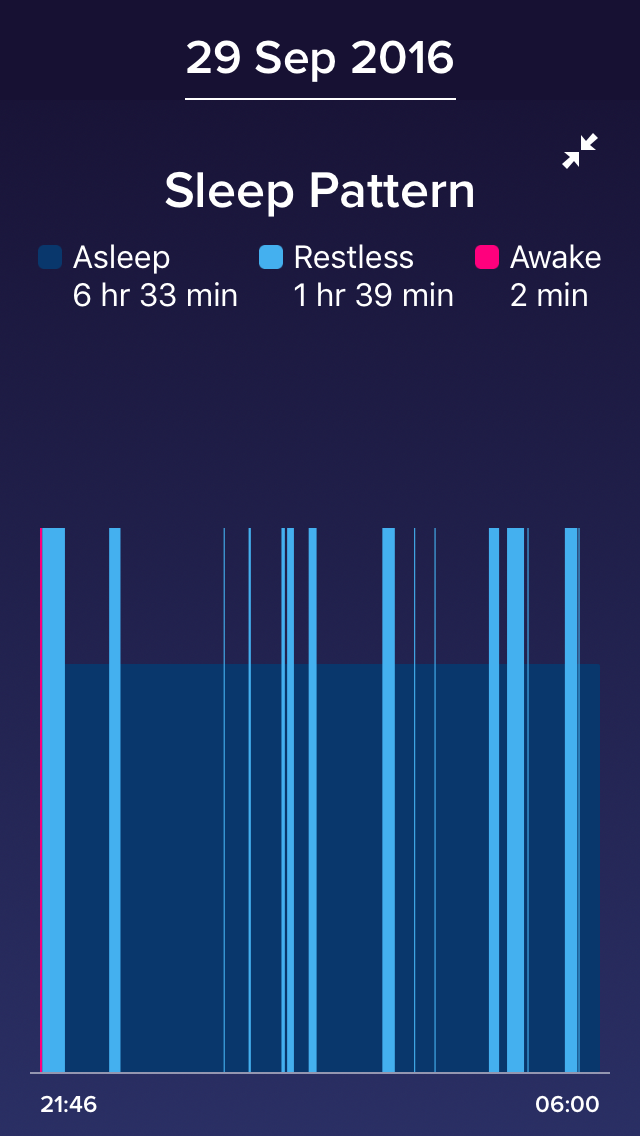
I’ve put this first, because it is the one I can actively measure. I’ve always ‘felt’ like I slept better after floating, but having recently started wearing a fitbit, I was interested to see if my gut feel actually resembled reality.

Apparently, it does:
img_1531  img_1530
I selected two nights, one from the week before floating and the second from the week after. Both had a similar amount of ‘total’ sleep. But you can see the quality of that sleep was markedly different. After floating I had prolonged periods of sleep without restlessness (the light blue bars that make the first picture look more like a barcode). This was really interesting to see and I’m glad it’s not just all in my head.

2. Physical Relaxation

The physical effect of floating is a strange one. At first, I find that it is like lying down on a really comfortable bed. Then I start to become aware of areas such as my neck and shoulders relaxing, letting go of a tension that I’ve simply become used to feeling. I try to use a standing desk at home, because prolonged periods of sitting during my workday makes the problem so much worse. Even doing that, I still find my shoulders tensing in response to any stressful scenario. Feeling that tension disappear is amazing.

Finally, when the session is over, trying to stand is almost hilarious. My body gets used to being weightless very quickly, so when my feet get back on the earth it feels like my limbs are made of lead. For a few moments you are aware of gravity in a way that can be achieved by little else. I tend to be a little zoned out for a while after and have to take advantage of the chill out area.

3. Creative/Strategic Thinking

Unlike sleep, this can’t be quantified with a chart. But I notice it every time, depending on what phase of life I am in. If I’ve been juggling multiple projects and can feel the beginnings of burnout and poor decision making, then floating allows me the clarity to get to the higher levels. Most people don’t apply strategic thinking to their daily lives, but I have no intention of getting to 80 and wondering how I ended up in a place I never wanted to be. The sensory deprivation may be a part of it. But it certainly works.

Alternatively, there are times when I just want to come up with new ideas. They may be for my writing, or they may be for other side projects. Sometimes I go into the session with a problem already in mind, giving myself a chance to really think about it in the silence. The aha! moment usually comes a few hours later, seemingly out of nowhere, but really from the freed up depths of my subconscious. Other times I am open to whatever my brain comes up with when it is allowed to do nothing but think. I’ve recently been reading Greg McKeown’s Essentialism and I can see how floating provides me with a fast track to getting that clarity. Although it is easy to understand the physical effects, the psychological ones are as profound.

So those are the key benefits of floating for me. There are many more that are important for other people, but these are the ones that have had a positive impact on my own life. If you think that could work for you, then definitely check it out.

 

How I Did It: The Realist’s Guide to Sugar Free

After almost a year of being sugar-free, I’ve finally written a book about it. You see, despite being stubborn and competitive (mostly with myself), living a life without sugar was hard. Really hard. Despite understanding all the associated health risks, I still struggled to give it up and then remain virtuous in the face of temptation.

Let me tell you something about myself: I don’t like failing.

Every self help book will tell you failure is necessary. Trying and failing is how you learn what works and what does’t. That doesn’t mean I have to like it. So despite several epic failures that resulted in a large tub of ice and a spoon, I have been determined to find a way to remove sugar from my diet, yet still live in the real world. Along the way I’ve been keeping track and it is the results of my journey that I’ve put into this book.

therealistsguidetosugarfree-2

This is not a cook book. It is not a detox plan. It is a step by step programme of strategies to help you eliminate sugar in the face of the temptations life will throw at you. Knowing how to cook a delicious four course sugar-free meal won’t help you at all if you don’t actually find the motivation to do it on a daily basis. Most people I know are too busy working or chasing after small children to be able to put that kind of time into planning and prepping a meal. It’s a nice idea, but it just doesn’t work for most of us.

So if you want a humorous and honest guide to eliminating sugar from your life, then this is the book for you. Even if you’re not sure you want to quit sugar completely, the easy to understand information will still help you make better choices when faced with the temptation and sweet food marketing you’ll encounter every day.

Blurb:

A humorous and honest guide to eliminating sugar from your diet. For good.

Quitting sugar in the real world is hard. Sugar is everywhere and your friends think you’re mad for not eating cake. You’ve done the 8 week detox plan and part of you still craves chocolate so much that you develop a mild twitch when you see a brightly coloured wrapper on the shelves in front of you.

Deeply addictive, sugar is everywhere. Even added to the most unlikely foods, the majority of us exceed the recommended daily intake without even realising it. Instead of teaching you how to cook fake cake, or pretending that quinoa really is an exciting grain that will revolutionise your view on salads, this book guides you through the myths about sugar in our food and through the realities of addiction. The 9 step action plan then helps you make the change and really stick to it.
Even if you’re not quite ready to eliminate all sugar from your life, this book contains practical tips to help you shop wisely, create good habits and sustain better lifestyle choices.

Available at amazon.com and amazon.co.uk

Cookies and Creme and… allowed?

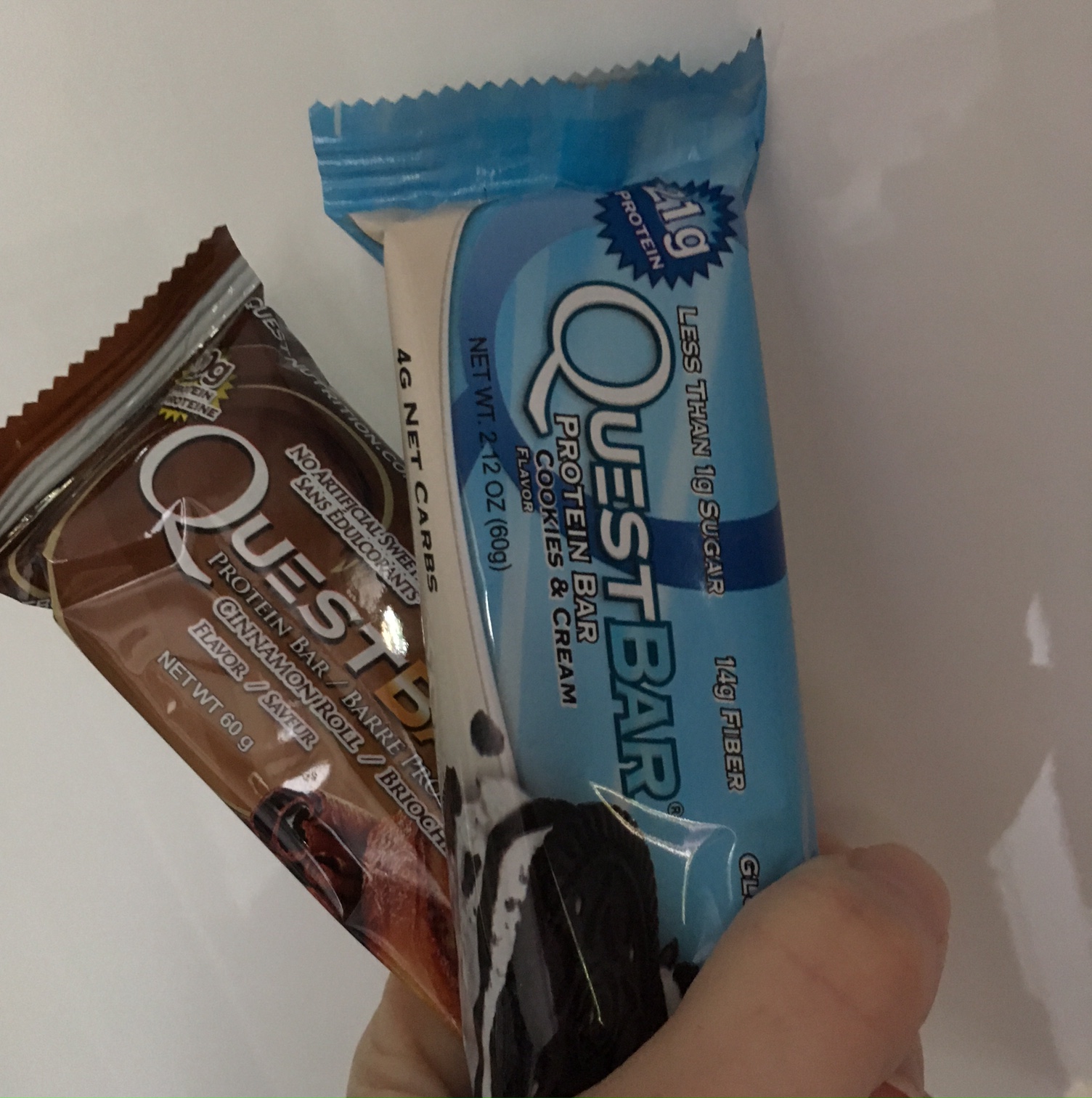
I’ve got a week of driving from site to site ahead of me, so I thought I’d share this snack hack I’ve been using to stay on the sugar-free wagon:

Fist of power!

Fist of power!

I first heard about Quest bars on the Cortex podcast. Generally speaking, if something gets the CGP Grey seal of approval then that’s good enough for me.

They’re pricey (as are all protein bars) but worth it when you consider them as a meal replacement. I’ve been using Quest bars fairly consistently all summer as they don’t include a lot of carbs and sugars like many protein bars. So I can eat them without ruining the sugar-free lifestyle I’ve been maintaining for a year now. They have a whole range of flavours, but so far, cookies & creme is the clear winner. I’ve still to get my hands on the peanut butter version though, so that could quickly change…

I know a chocolate bar or a dodgy fast food lunch would give me the instant pick-up feeling, but that’s really not in keeping with what I want to get out of my life. Instead, the protein keeps me feeling full and my brain actually working through the afternoon, when the slump traditionally kicks in. So a massive thumbs up from me.

I’m not in any way affiliated with Quest, but I’m always keen to share anything that I think is helpful. So that’s my Monday snack hack to start a busy week off right!


Climbing back on the wagon

I can’t believe it’s been four months since I last sat and wrote a post. The time just slips away when you’re not looking.

I’ve also been keeping a paper journal more rigorously, which reduces the need to blurt out my thoughts and feelings online. Which is a good thing for everyone really. Plus I’ve been away. Plus I’ve been ill. Stack it all up and I’ve had many excuses for being away from the blog space for awhile. Today, however, marks the return to climbing back on the wagon in almost every area of my life.

I’m lucky enough to have recently spent nearly two weeks in Mexico, with nothing to do but lie on the beach, read, eat nice food and have cocktails brought to me on whim. Not a bad way to live. But in all seriousness, it was a much needed break. As I wrote in my last post, I’d become overwhelmed and lost in my side projects, whilst maintaining a full time job and doing a gruelling weekly commute.

Then there’s Brexit. Don’t even get me started on this act of self-sabotage and insanity that Britain seems to thing is a good idea. It’s utter madness, but it has had the curious effect of solidifying a few things for me as I attempt to get back into a more productive routine:

  • Post holiday, it’s definitely time to get back on the sugar-free lifestyle. I feel rubbish off it, and there won’t be any money for the NHS to look after me and my sugar-related illnesses twenty years down the line the way things are going
  • Writing should be something I love, not a chore. If I don’t enjoy it, then I shouldn’t do it
  • I should possibly become less dependent on European travel. Which is fine, because Cornwall is lovely, assuming someone does something about the weather. (Also, it’s not fine really. Less freedom of movement and a spiralling pound suck)
  • Side projects can spiral out of control and suddenly become the cause of burnout. It’s not too late to think about doing less for 2016, whilst still being productive and having fun. This was an aha! moment I had whilst listening to one of my new favourite podcasts, Cortex.
  • Comfortable is easy. But at a time when the risks are at their highest, the rewards are also at their greatest. Somebody out there has to get them and it won’t be me if I flop at the end of the workday into three hours of mindless TV. Something I’ve never done until this year, I might add.

Independent of me, the remainder of 2016 will be a year of change. That genie is not going back in his bottle. So I might as well do what I can to influence the outcome I want, rather than just sit back and let stuff happen to me.

I think that’s all quite spirited and positive for the end of a Monday, even if I do say so myself.

Burnout comes in many forms

For most of this week, I have been off work sick. This is an unusual occurrence for me. Given that I work from home a lot and have done for years, being sick doesn’t necessarily mean not working. I can’t even remember the last time I took a sick day.

But this week I got hit by something that wiped me out. Over the years, I’ve got pretty good at spotting and managing signs of work stress. I have tools and techniques in place to make sure I spot burnout before it arrives. My ‘no work phone on vacation’ has been a rule for a decade. I stopped checking emails after 7pm or at weekends years ago. All of these things stop me from arriving at a place I swore to myself long ago that I would never get to. I’ve watched too many friends crumble because of stress. I know that the journey back is a long and painful one. If you ever properly make it back at all, that is.

But as I lay in bed this week, my brain was chattering to me. Why wasn’t I reading? Why wasn’t I using the time to write? Why wasn’t I using my sick time effectively?

Wait? What? That was the warning sign I had failed to see. My life is busy, but no more so than anyone else’s right? Perhaps not, but clearly the pressure I put on myself to try to get everything done had taken it’s toll. For an introvert like me, even going out with people socially, no matter how much fun I have, is exhausting. Combine that with a three hour plus commute a couple of days a week and my body clearly had enough.

This week has been ECGs and blood tests and more blood tests. At some point I shut my brain up and allowed myself to just lie there while my joints ached like they belonged to a ninety year old. Even typing this now, I hurt.

Burnout comes in many forms. But my body has sent me a clear signal that I can’t keep juggling everything. For once, I am going to listen to it. That doesn’t mean giving up on goals and dreams. I’m going to just have to get better at taking time for mental and physical relaxation. I’m going to have to cut the busywork from my life where it doesn’t have significant benefits. I need to be intentional. When I feel better, it will be time to hide away somewhere and really think how this will all play out for the rest of the year.

Now though, I am going to rest again and not feel guilty about it. I’m sick and tired of feeling guilty all the time. No more.

Writing race

You know me, I’m all for a bit of equality and diversity.

But when I write my characters, they come to me to tell a story, not to put a tick in a box. In the story I’m currently writing, the main character’s husband is black and their daughter is therefore mixed race. The story itself has no theme of race, it is simply that they are what they are.

Which got me thinking a couple of things. Firstly, as a white woman in England, is it easy for me to say things like ‘it’s not about race’ because race never factors into my daily decisions and life? Secondly, am I in a position to understand that element of a person’s life within my characters in an authentic fashion?

It’s certainly easy to overthink things. It’s a thorny topic and in some ways I’m reticent to even write a blogpost about it. I want to be true to the story I want to tell, but I also want to be true to the characters as they would perceive the world. I don’t want to offend anyone by a series of assumptions and presumptions based on my own limited view of the world.

In that sense, as a writer coming from a place of my own experience, it would be easier simply to make them all white. Write what you know, isn’t that what they say? But there are people of all races, religions, abilities and sexualities in my life and although I may never walk a day in their shoes, it doesn’t mean I should exclude them my stories just because that would be easier for me. That’s how no one grows and inequality prospers.

So, I may get it wrong. I may overthink or underthink things. I may accidentally offend, but I promise never to intentionally offend. Above all, I’ll try to tell an authentic story, no matter how difficult or challenging that may be.

Life hacking my year

I set myself some pretty big goals in 2015 and intend to make 2016 my most successful year ever. Of course, we’re still in January, so making bold statements like that before the grudging reality of the daily grind kicks in is still possible. Even so, I picked up a few life hacks last year that I’m going to carry over into this year. They apply to daily life, so they cover off all my goal types: writing, financial, spiritual, physical etc.

Top tip number 1 – the standing desk.

Several personal development pros I follow have recommended this, but the biggest influencers for me were Jeff Sanders and Michael Hyatt’s blogpost and podcasts on the topic:

7 Amazing Benefits of a Standing Desk

4 Reasons you should buy a standup desk – right now

Previously I would spend 6-8am sitting writing, 9-6 sitting for my job, then often 7-9 sitting doing more writing. That is a lot of sitting. Now I still do the writing stints sitting down, but the day is spent standing, unless I physically need to be at head office. That persistent twinge in my left shoulder has gone, along with general back pain. I’ve recently added a balance plate to keep myself moving too, rather than just standing still.

Top tip number 2 – a really good morning routine.

I’ve had a morning writing routine for at least 5 years now. Time flies, so I can’t really be sure. Over 2015 I really upped my game on this. My morning routine now includes more than just knocking out 1000 words on my latest writing project each day. It includes affirmations and journalling (my form of meditative practice). It all felt very American at first, but once I got over being all British and reserved, it’s had huge benefits. It’s a real mental health compliment to the physical health tip above. For an idea of how to start setting it up, Hal Elrod’s Miracle Morning is a great place to start (he has a pretty full on personal story to check out too).

Top tip number 3 – carry a notebook and pen EVERYWHERE

The more I did the above top tips, the more my brain seemed to become able to throw out ideas and see potential everywhere. As I wrote in my last post, I made a habit of capturing them straight away, rather than lose them or have to waste a ton of mental energy trying to remember them for later. It could be that sudden strategic insight that you needed to get a result on that big project, or it could be that you need to add cheese to the weekly shopping list – it doesn’t matter. Getting it down on paper means that your brain can then carry on being the awesome beast that it was designed to be. Field Notes have become my pocket notebook of choice, but it’s all personal preference.

Top tip number 4 – track it

Digital or analogue, tracking what you’re doing is the easiest way of making sure you’re doing what you need to do. I use coach.me and have a few habits that I’ve done so many days in a row that I will now go out of my way to complete them so that I don’t break my streak. I’ve done 10 pushups (upgraded to 20 nearly a year ago) each morning now for over 500 consecutive days. There is no way I’d do that without the app.

These all work for me, but if anyone else has any suggestions then feel free to comment. I’m always looking for ways to up my game…

Capturing ideas wherever, whenever

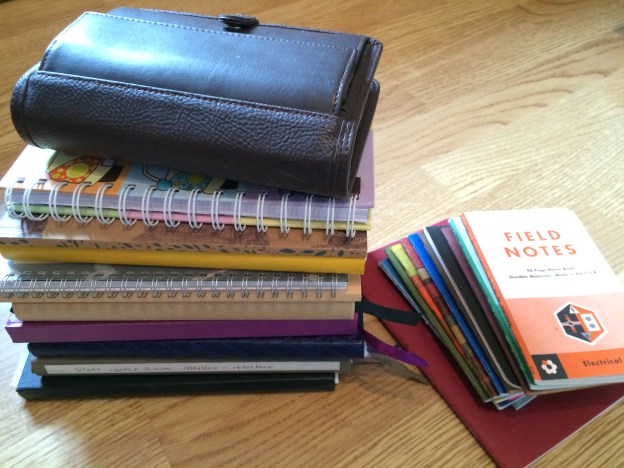
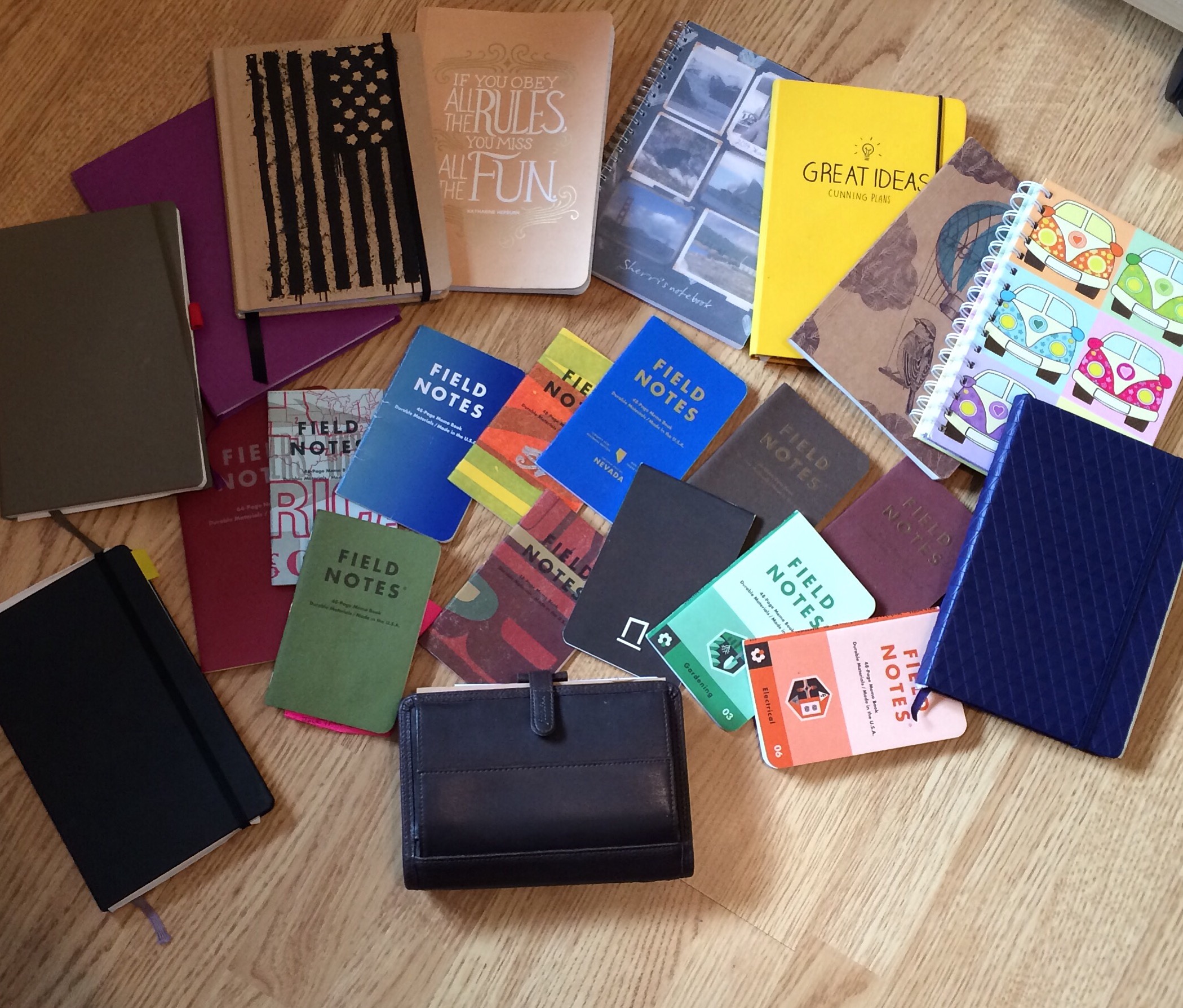
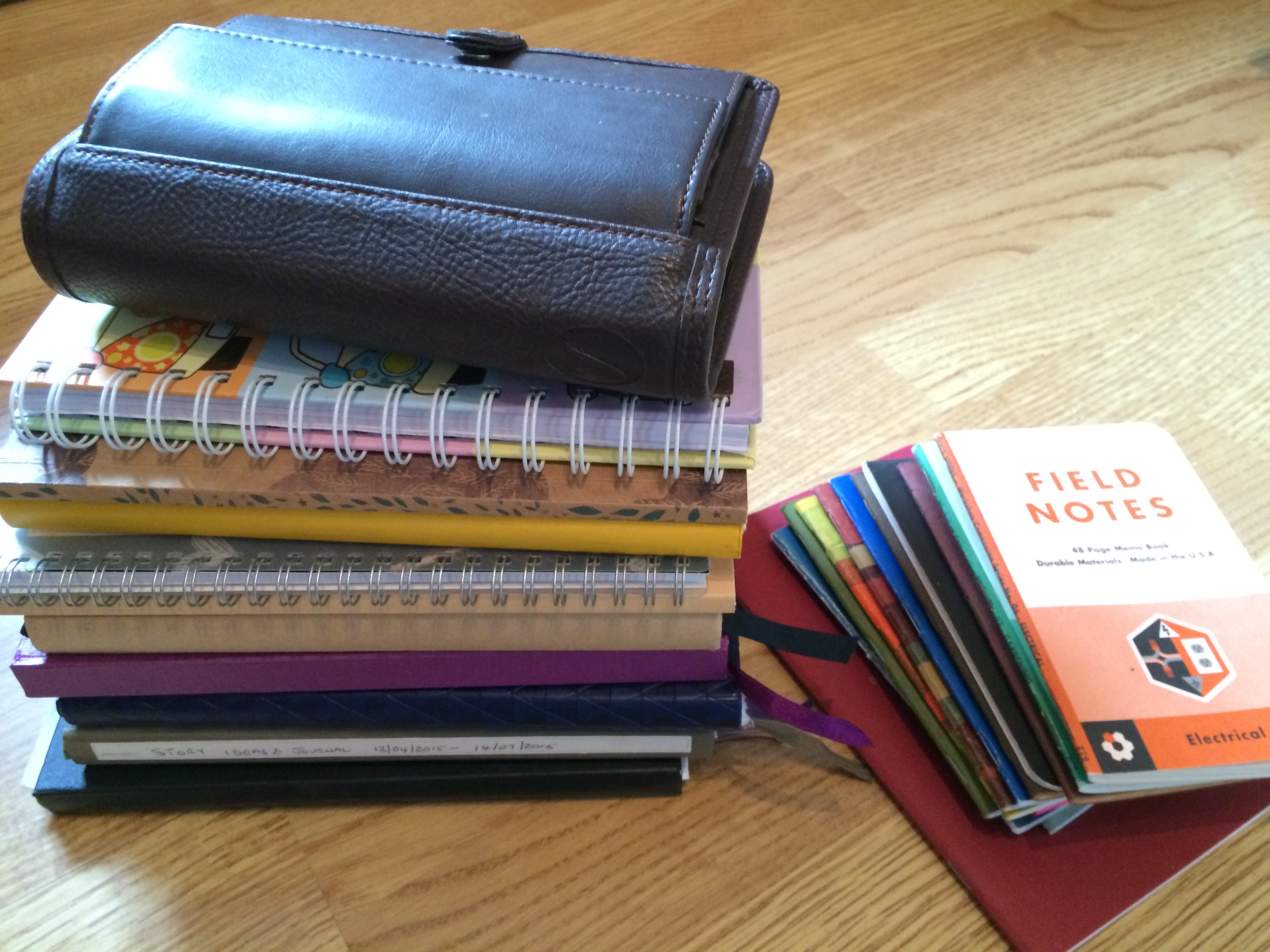
Intuitively I felt like I was capturing so many more thoughts and ideas as I moved through 2015. So at the end of the year I collected together all the notebooks I had completed into one place to confirm the theory. Yep, I had indeed had a lot of thoughts:

2015 notebook stack

Because I’m a bit of a GTD fan, I was in the habit of capturing things to do the moment I thought of them, but story ideas and general everyday thoughts and feelings, not so much. I made much more of an effort to do that and it shows. I have a whole treasure chest of ideas for stories I can now return to, as well as all the highs and lows of the year that I’ve recorded for posterity.

Broken down into three notebook types:

  1. The filofax was my daily log book for 2015. For 2016 I’ll be moving over to a Hobonichi which is already proving to be an amazing experience.
  2. The large, hardback notebooks were for novel plotting and extended meditative journalling, including daily gratitudes to set my days up right.
  3. Pocket notebooks (especially Field Notes) were always in my jeans or handbag for keeping track of what I had to do each day, but also for those random confluences of inspiration that happen when I’m out and about. Now I can capture them immediately (I’m guaranteed to forget them if I put it off until I get home).

2015 Notebook collection

I made leaps forward in my writing processes and achievements in 2015 and I fully intend to keep building on the momentum in 2016. More than ever I believe the best way to succeed at anything is to just write it down!

Sugar sugar everywhere and not a drop to, um, eat…

Since I came back from holidays (food and alcohol fest) I have been living the sugar free diet. Now that I’m in week three and can write about it calmly and objectively, rather than from a cravings hole of despair, I thought I’d give it a go.

Firstly, the motivations. A dear friend is on her second go round with cancer, and diet has become a significant thing she can positively influence, in amongst the traditional treatments. Cutting out sugar is the key thing. Which sent me down a huge rabbit hole of how it all works.

For those of you who know me, the fact that it is the latest diet espoused by a TV personality is more likely to make me disbelieve than anything else. But I’ve been looking at a ketogenic diet in relation to other serious diseases, so I knew there was some significant merit in reducing carbs. Cue me reading books and scientific papers about human biochemistry and the way our body uses and responds to sugar. Fascinating stuff, even if I have become a conversational bore.

So, after two weeks, here is my experience:

  • For those not on the diet for medical, disease fighting reasons, you don’t have to eliminate all sugars, just fructose
  • Good luck doing that, because everything is packaged by the title ‘sugars’
  • Fructose makes up half of sugar as we know it (the good ole white stuff) so the easiest way is to avoid anything with added sugar
  • Good luck with that too, because sugar has been added as a cheap filler to just about every product that gets made, even the savoury ones and especially the ‘low fat’ versions of things
  • Unlike other energies, fructose isn’t recognised by our self-regulating mechanisms, so it goes straight into the liver where any excess (which happens after a surprisingly small amount) gets pumped straight into your blood supply as fatty acids (nice)
  • The headache was worse for me than the cravings – three days of constant dull thumping until I came through to the other side
  • The promised bright side: resetting my body so I eat when I’m hungry and stop when I’m full (no more calorie counting) and no need to go to the gym to attempt to burn off fat – yay!
  • The downsides – restaurants are a pain, but I’m a good old fashioned meat eater, so a plain steak and jacket potato are easily allowed for a nice night out

Christmas is coming, so there will be a few treats in the coming weeks. I’m not foolish enough to think there won’t be. But the reality of reading the latest research (and the horrendous flaws that made up the current guidelines) has made me want to give it a shot long term, rather than doing it just because of Davina grinning from the front of her latest cookbook.

The importance of finding peace

Saying things have been crazy lately is an understatement. I know everyone in today’s world feels overwhelmingly busy most of the time. I’ve spent years putting systems in place to allow me to manage multiple products and still be uber-productive, but even I have had several moments of complete overload. I already know my yearly review of 2015 will be quite something.

Even my morning journalling, a time solely dedicated for quiet reflection, has been interrupted by a compulsion to check my phone, having random ideas that need capturing elsewhere and, quite frankly, the fidgetiness of a five year old.

It kind of defeats the point.

But the absence of peace and stillness has made me realise how important it has become to me. Not to sound like some hippy white person trying to be an eastern self-styled guru, but there is so much to be said for the practices of mindfulness and gratitude. Of just being in the moment and being part of the world around you. Of being able to appreciate an autumn sunset, rather than just whizzing past it on your way to somewhere else.

Lake Windermere

It has been manic, and there is more to come. Nanowrimo is coming up and I have six days to complete it in. This is not one of my crazy, self-imposed deadlines and I’m certainly not going to try and beat last year’s three day completion, but I won’t actually have access to my computer from day seven. So it’s either type or fail and I’m not the kind of person who relishes failure.

But it seems to me that in order to keep moving forwards, one needs to be intentional about standing still. About appreciating where you are and where you are going rather than just charging forward blindly. Life is about progress, but not necessarily about speed.

It will be over before you want it to be anyway, so don’t rush to a final location that may not really be where you ever dreamed you would go.