Tag Archives: notebook

So, what does it mean to Write Foxy?

On Sunday I was fortunate enough to attend Miranda Dickinson’s Write Foxy event, which was jam packed with some amazing guest speakers.

So what does it mean to Write Foxy? It does not mean you are limiting yourself to the topic of elusive woodland creatures. And although all of the speakers were female and Miranda is well known as a Romantic Comedy author, this was not a day exclusively for those who want to write ‘chicklit’. The whole day was genre unspecific and for those at any level of writing experience. To Write Foxy is to take back the passion of writing and do what you really love. A day legitimately and wholly devoted to the writing experience.
WriteFoxy


For me, there were several highlights and key moments in the day. The first was being completely vindicated by Hannah Beckerman (The Dead Wife’s Handbook) when it comes to planning. People always seem a bit suspicious of my level of planning, as though it somehow equates to a lack of creativity. Hannah was great at explaining how developing a strong structure in advance can actually create a sense of freedom when it comes to writing. There are no moments of panic when you feel like you are fumbling in a blind alley towards your ending. No sitting, staring at the blank screen waiting for the muse to appear. But nor is it so set in stone that there is no choice but to follow your original plan relentlessly. I couldn’t have completed NaNoWriMo in 3 days without a plan, that’s for sure.

Dead Wife

The aha! moment for the day came from Cally Taylor (Home For ChristmasThe Accident) who tackled the topic of editing. Or, as I like to call it, my nemesis. I realised that although I am meticulous in my planning, and my life in general, I have no such approach when it comes to editing. Instead, I get out a red pen and plod through the thankless task. No wonder I always get distracted by writing something new and shiny instead. Cally showed us a way of approaching editing that has given me a whole new perspective on getting from that first draft to a polished manuscript, without it feeling like pulling teeth. As my goal for 2015 is to actually do something with this fort of stories I’ve been building around myself, I feel like I now have a framework to help me learn to enjoy the task as a part of the writing process itself.
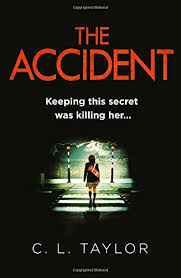
The Accident

The unexpected laugh out loud moments came courtesy of Tamsyn Murray (Stunt Bunny, My So-Called Afterlife), who explained the three act structure to us in a way that was better than any of my English teachers ever did. Or maybe her choice of a well known children’s book as an example was just aiming it at my mental level… Now I’m re-reading this and wondering if I’ve managed to do it with this post (the piece of training documentation I wrote for work the other day though is something Aristotle himself would be proud of. Isn’t that what people mean by work-life balance?)

so called afterlife

To round off the day, Miranda Dickinson (Take A Look At Me Now, and the soon to be published I’ll Take New York) gave everyone a timely reminder that for everyone there, no matter what they wrote, where they wrote, or how much they wrote, the whole point was still to have fun. To really love what you write and, more importantly, to give yourself the freedom to do so without guilt. Writing is a solitary process to begin with and hard to explain to friends and family without sounding like, well, a bit of a nutter really. I’m lucky that everyone I know has just accepted that I’m a nutter anyway and the whole writing thing is now quite incidental to that fact. But, despite the fact I don’t have anything traditionally published yet, I do now call myself a writer and say it like I mean it. For that, I will be forever grateful to Miranda for being a champion of the generosity mindset and always extending a hand down to help those on the way up.

It is something I hope to be in a position to do myself one day.
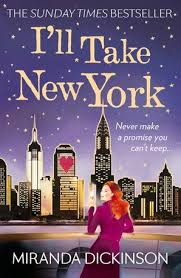
Take New York

There are still tickets available for the February Write Foxy day, so if you’re free and want to start taking your writing seriously (or if you already do and want access to a whole load of additional tips and tricks) then you should check it out here. Plus, if I haven’t sold it to you, there will also be free goodies and oodles of cake. Writing events should always be this well catered….

WriteFoxy

Waterman 512v Fountain Pen Review

It’s no secret that over the past year I have rediscovered my love of longhand writing. Slowly but surely, my fascination with fountain pens has grown, so when I spotted a chance to get my hands on a Waterman 512v I took it:

waterman quote

Forgive the terrible penmanship and focus on the inspiring quote instead.

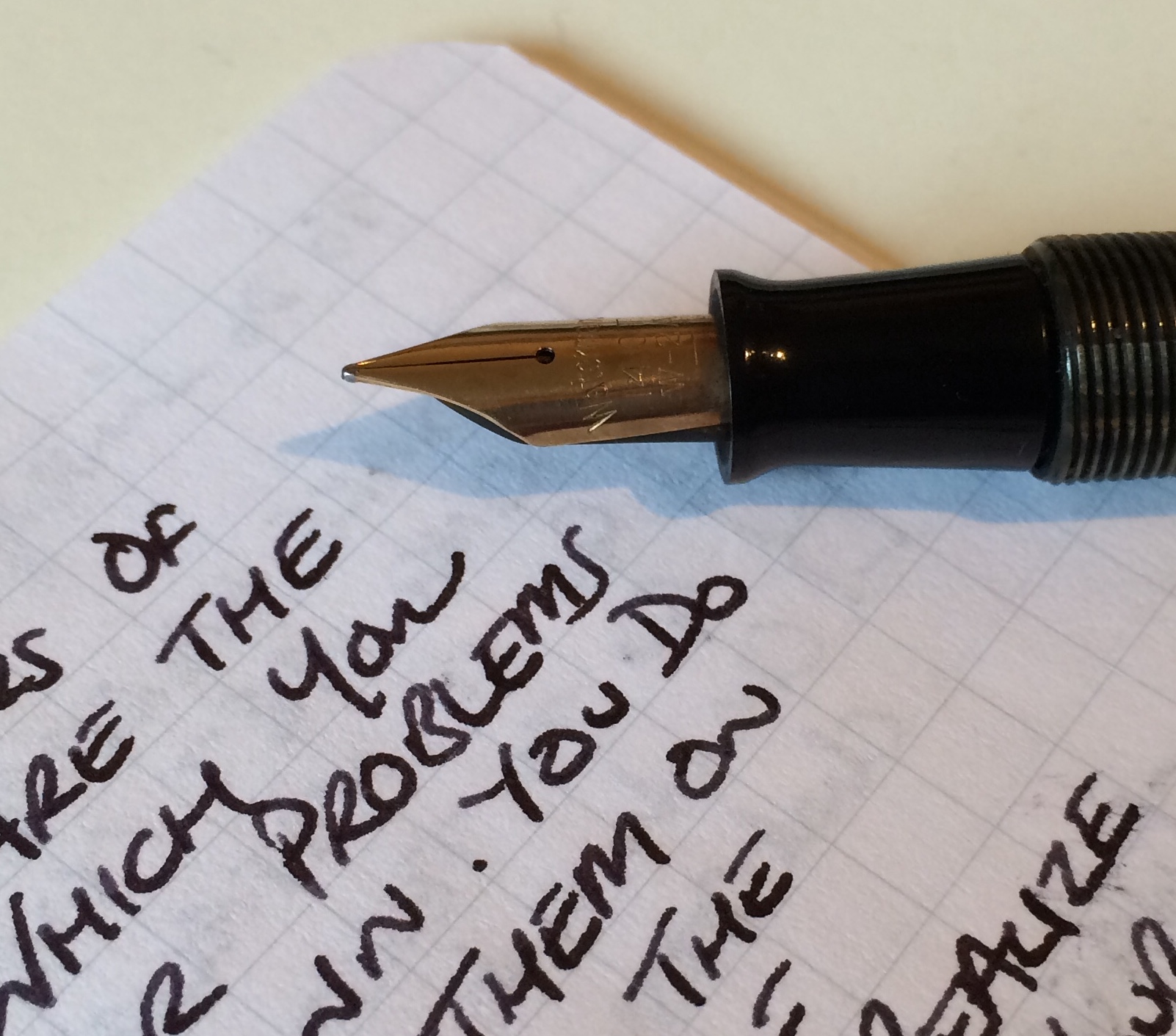
I was really surprised at how light and small this pen was. Uncapped it comes in at under 4 inches, so I’ve found that I really need to have it posted to make it comfortable. If you don’t like posting your pens, I’m not sure it would be for you. I love the nib though, even if it is second hand and not quite as smooth as it could be. It feels loved.

waterman nib


It’s an old fashioned lever system refill, which isn’t as simple as my Sheaffer convertor, but I’ve only had one accident (and that was with some purple ink all over my fingers, lovely). The flow of ink isn’t too wet and it was surprisingly good as an everyday pen. I tried it for a week with my Field Notes and there was virtually no feathering or bleed through, despite the fact Field Notes paper is not particularly designed to be fountain pen friendly. Even scribbling away in a fast, bullet journal style way of writing didn’t cause any misses or scratches.

waterman bullet

Sadly, I could find very little information out there on the interwebz about the Waterman 512v, so I thought I would do this little review just in case anyone else was considering purchasing one. If you don’t mind fiddling around with ink rather than cartridges, then I would say go for it. I’d happily shove it in my pocket and go.


Fixed Schedule Writing In An Unscheduled Life

I’m spending a lot of time on the road lately. Not in a glamorous, jet-setting kind of way. Mainly on roads that start with M, in fact.

Normally I love travel. It’s a way to recharge, to be inspired, to discover something new. Hopefully there will be a little bit more of that before the year ends. For now though, it’s more business hotels than spa resorts and swimming pools under blue skies.

Even though I love the unpredictable adventure of travel, I need routine in my writing. Combining the two is not that easy.

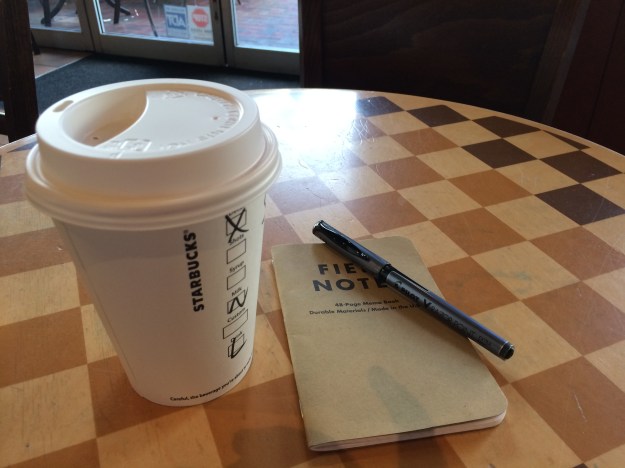
Writing from my home desk isn’t so bad, but writing from hotel rooms is a bit uninspiring. I’m starting to find coffee shops a bit more freeing, although I generally need to have headphones in to avoid being nosy distracted by the conversation. They also force me to write longhand, which makes me focus more on my words.

The net effect of all this is a serious downturn in production. Which sounds a bit businesslike, but writing keeps me sane. Actually completing stories and getting them out of my head is the most rewarding thing I do. I’d like to think that if I ever have kids then they would be more rewarding but quite frankly, I wouldn’t put money on it.

IMG_5578

Solutions

So, in an attempt to not be loopy by Christmas, I’ve started exploring some strategies to help me get back on track.

Acknowledging Energy Levels: Currently I’m covering hundreds of miles each week, so if I have a four hour drive home one evening and crawl into the house at nine, then I should take it easy on myself if I get up an hour later the next morning. I can’t seem to shake the guilt though – not to mention the fact my body insists I wake up anyway – so I have started to allow this to be non writing time. Instead, by focussing on more routine tasks, like website maintenance and reading articles, I get those tasks off my list that I would usually do at the end of the day or weekends.

Taking Better Notes: Ideas come to me at odd times when I’m busy.  I’m trying to make sure that random flashes of inspiration and ideas get captured in a notebook so I can dig them back out when the right time comes. Bullet Journaling is a great way of helping with this.

I Don’t Feel Like Writing (But I’m Doing It Anyway): If I focus on only writing in the morning because that’s when it comes easiest to me then words just won’t get written. Instead, I’m trying to make myself do it later in the day. Creativity doesn’t come as naturally to me in the evenings, so I’ve been spending more time in places that do add a spark of inspiration. This was how I rediscovered the enjoyment of writing with a pen and glorious notebook in coffee shops (decaf, naturally).

It’s not working 100%, so I’m totally open to new ideas and suggestions if there is something working for you?

Sheaffer 100 Fountain Pen Review

Searching the interwebz, it seems as though this pen hasn’t got a lot of love from the pen community at large. Which is a shame really, as it falls quite neatly into the entry level bracket with some success.

I wrote with a fountain pen for years growing up, but then when you enter the real world, the standard Bic seems to take over a lot of the time. I was looking to get back into fountain pens, but without any current experience, I wanted to make sure I wasn’t blowing hundreds of pounds on a Mont Blanc just because I wanted one (still do).

I’ve been using the Sheaffer 100 now for two months, ever since I purchased it on a trip to Canada. The lovely lady at The Vancouver Pen Shop talked me through a whole range of brands and styles before we settled on this one.

shaeffer 100


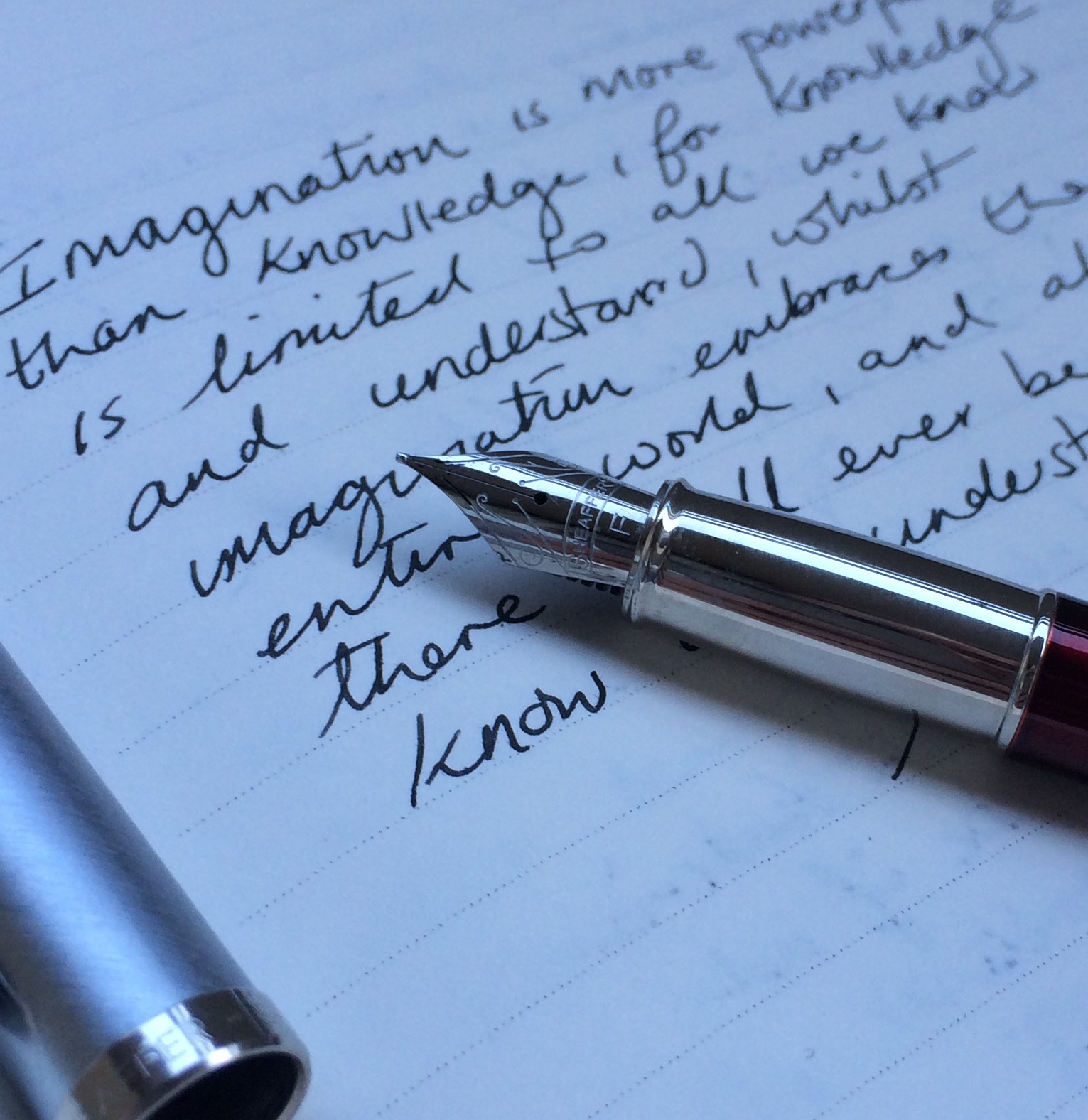
Forgive both the terrible photo and the equally bad handwriting. It’s a dreary day with bad lighting and only an iPhone for pictures. The handwriting I have no excuses for.

Firstly, the positives. From a cost perspective, this was only $30 + tax, which for a pen of this quality is great. The nib and feed, by all accounts, is exactly the same as what you get in the more expensive Sheaffer 300, which makes it a good way to try it out for size.

The ink flow to paper isn’t too wet, which is also a bonus as I used a variety of notepads from Moleskines to Field Notes to El Cheapo supermarket brands, not all of which are good for fountain pens. It still delivers enough ink to not be too scratchy. In the time I have been using it, it has only skipped a handful of times.

I got the fine nib because my handwriting isn’t conducive to anything thicker, and I found that to work perfectly. Not really any flex as you would expect, but still a smooth write.

The barrel has that more expensive look and feel to it too. I have to be the only person in the world who doesn’t find the aesthetics of Lamy of Kaweco pens pleasing. I definitely prefer the more classic look that comes with this kind of pen. Of course, I still intend to try both of those now I know that I am really enjoying using fountain pens again, so I may yet still be converted.

The only negative for me is the the grip area is super smooth and about an inch deep. That means I have to hold the barrel at a point slightly higher than I normally would, up where the ridge gives a bit of traction. It by no means makes the pen difficult to use though, so I wouldn’t call it a deciding factor.

The best bit about using it has nothing to do with the pen itself. I’ve found a joy in writing creatively in long hand that I hadn’t realised I missed in this day and age of digital devices. It feels subtly different in the care taken for each word choice, and the sense that I am actually crafting something, rather than just banging down on the keys. Especially when I’m travelling, it forces me to slow down and really be in the moment.

Analogue certainly isn’t dead and gone, that’s for sure. If you’ve read this far, you probably agree.

Writing…

Whilst I was over in the States, I finally managed to pick up my intro pen back into the world of fountain pens. The idea being to see how much the act of physical writing changes my creative process. Hopefully my modified bullet journal approach will help me keep track of these bits and pieces.

My general practice is to get up every morning at 6am and keep typing until I hit at least 1000 words. Some days it is still a struggle, but I have essentially turned it into a habit. In some ways, the hands and some part of my brain do the work, while the remainder of brain and body just wait for the third cup of coffee before coming alive. I have no idea how it works, don’t ask.

The act of writing is automatically slowed by the return to pen and paper. A fountain pen, so the theory goes, will slow down the process even further, if I want it to be legible and not a series of scratches across the paper.

Today I found myself a nice little coffee shop and hand-wrote a 26 page short story. So I’m happy.

I couldn’t imagine writing a full length novel this way, because typing it all up would seem agonising. I don’t see the payoff for me at that volume. For short stories though, I could see this becoming my new process.

Definitely a good way to finish off the week.

Going Un-Paperless – 5 Steps For When You Find You Can’t Go Paperless

We live in the future, where all our files and folders live on our smartphones and laptops, right? Even our books are digital. So why is it that so many people fear going paperless, and what can you do when you find yourself in an environment that is either unwilling or unable to change?

Like most aspiring authors, I tend to enjoy food and shelter, so supplement my income with a day job. My previous role was inherently paperless. The only time I really made paper lists was when I was in a situation of overload and the act of writing it down gave me focus. This was easy to implement because I worked in a small but geographically varied team that communicated largely by email.

I didn’t realise how lucky I was, until I started my new short term role and my desk started slowly drowning in paper. I wouldn’t call myself an environmental activist by any means, but some days I positively weep for lost trees. Now, it would be wonderful to ‘be the change I wanted to see in the world’, but that requires buy in from all parties. This company is one of the largest employers in the Southern Hemisphere. That is a lot of people to convince. My particular division also arose out of an emergency situation, where the comfort and reliability of paper in an ever changing team/building/environment was paramount. For a lot of people, disaster management is best done on paper.

I’ve been using GTD for many years and my system has been through several modifications. For a long time I used an excel spreadsheet, then moved to Outlook Tasks to accommodate the system my boss was using (I was so happy to be working with someone who actually had a system that I was prepared to give a little). My separate personal system was in Toodledo. Notebooks were a joy because they were primarily for creating or capturing ideas, not tracking the mundane (although even that has become a bit more productive / geeky due to Ryder Carroll’s bullet journal system).

For going paperless in a Mac environment, check out MacSparky.

paperwork

So, 5 Simple Steps:

1. Change what you can. Where there is no process, or the existing process has room for improvements, make them. Most people are actually willing to hear what you have to say when presenting a change to their system in a thoughtful, respectful manner. As part of that change, convert anything you can to a paperless approach.

2. Manage paper efficiently. If you have no choice but to deal with paper, then at least use it wisely. Don’t make unnecessary copies. Don’t just shove everything in one inbox and lose hours of your day looking for files. Essentially, have a system. If you do everything by email, then follow up flags and categories make tracking ‘waiting for’ items a piece of cake. Make sure that still applies if you’re stuck with paper.

3. Upload capture documents frequently. If you have an option to upload the paper documents that are floating around in ubiquitous amounts, then do so. More importantly, do it as often as possible. People are much less likely to make additional copies of a hard copy file for their own use if they can just view it on the screen in front of them. Most people are inherently lazy; use that to save the environment and your sanity.

4. Reduce the number of electronic systems. Another fatal error that is actually the case in most companies is the use of twenty four gajillion electronic systems. When one is not quite perfect, they find another one. Most of the time, it is not the tool, but the user is at fault. But that is far too difficult to address when you can just splurge a couple of hundred thousand pounds on a new shiny! Then half the users upgrade while half show reluctance. Great. Now the documents are in one of two places and the easy search is gone. Lather, rinse, repeat over the years and no-one trusts a damn thing. People go back to trusting the paper they can see and feel. Cull the tools and use common sense.

5. Spread the word. When people see that you are being more productive with a clean desk, then they will want some of what you’re having. Only, they won’t ever want to confess to it. We all know people like this; the ones who drown in chaos and claim it is because they are far too busy. Most of the time, they are simply inefficient and confuse busy with job security. Sometimes, it’s best just to give a little. Again, in a polite and respectful manner, point out small gains they can make at first. Even when looking at a productive person’s desk, a fresh pair of eyes can usually spot a few quick wins. Give generously to those who will accept help and enjoy watching them becoming less stressed over time. You’ll feel better and the trees will thank you for it.

Can you go backwards and still stay sane? I’d like to think so.

Field Notes: Cold Horizon and the infamous Shelterwood

Shelterwood tipped me over the edge and into ordering Field Notes for delivery halfway across the world. I have an addictive personality and notepads is the lesser of many, many evils for me.

I didn’t go for the colours subscription though – that feels like too big a commitment just yet. Instead I figured, as the postage would remain the same and they had some left, I would also throw in a couple of Cold Horizons. Don’t they make a pretty pair?

 shelterwood cold horizon


Cold Horizon Review:

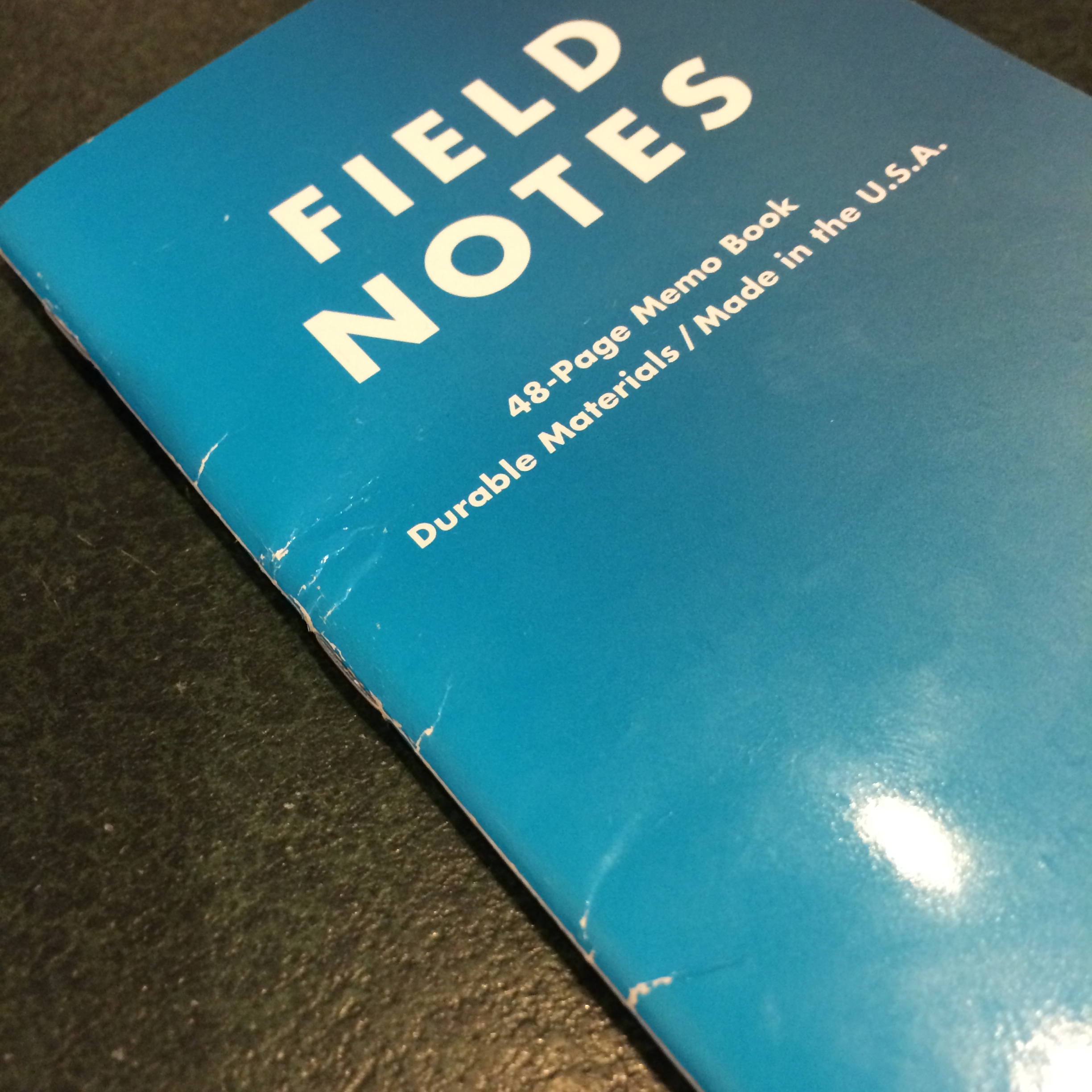
I love the colour gradient of these across three books. The covers themselves are very nice to look at, although as people who have had them for a while already have noted, they crack and fade very quickly. Which is actually a positive if you want to look like you use them a lot. This is mine after less than a week:

Cold Horizon Field Notes

From a personal preferences point of view, the graph paper in this is nice to use, especially for making lists. I also find the fainter lines unobtrusive when jotting down any creative ideas. My pocket notebook is my capture system when I’m out and about (for those of you using GTD), so it needs to be able to accommodate all manner of scribbles. The pages are also off-white, with different hints of blue across the three books, which is a nice touch and the kind of attention to detail that people have come to love from Field Notes.

Shelterwood Review:

One of the reasons not to get a colours subscription is if you prefer a particular paper layout. I have found myself with a fondness for graph paper, with plain as a second choice. Lined paper is becoming my least favourite and with the limited edition Field Notes, you get whichever one they decide. Shelterwood comes only with lined paper, and even the amazingly luxurious feel due to its thickness can’t make up for the fact it diminishes (for me) its usability. Having read other reviews, many people who also have this preference feel the same way.

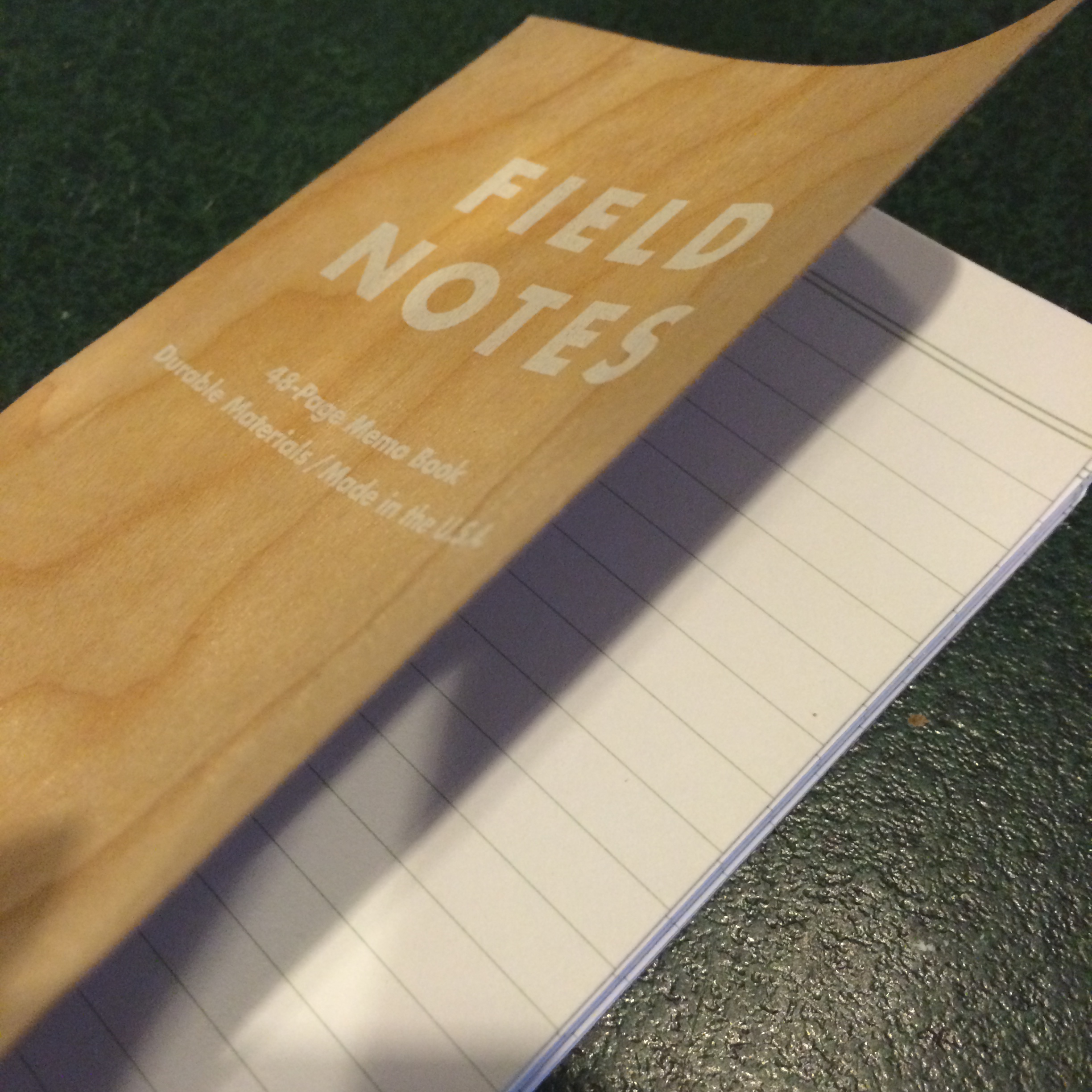
Shelterwood Field Notes


Let’s talk about those covers though. They are without a doubt the most hyped Field Notes ever and I can see why. The design process that has gone into them has made them a thing of beauty to touch and look at. It will be interesting when the next season’s come out and people start doing comparison photographs to see how well the covers have actually stood up to usage. As you can see from the above photograph, there is a definite issue with the covers curling. Most Field Notes editions don’t stay completely flat, but the actual turn up on these is very noticeable. I suspect – and I’m not sure if anyone else can confirm this – that atmospheric humidity can play a significant factor.

The accompanying video is also an amazing piece of marketing. It hooked me in straight away. Sucker.

As for whether or not I will be lured into field notes forever, or if it is just a crush I’m going through, I intend to put together a full review of them vs the moleskine that I have been using for years as a pocket book to see  how they compare.

Maybe it will turn from lust into a more longterm romance. Only time will tell. Will it just be another step towards Field Notes world dominance?

The Rejection Threshold

I’m not sure if submissions are my least favourite part of writing, but they have to be close. I don’t actually know anyone who loved the submission process and those that say they do are probably lying. Why? Because of this, obviously:

Rejection-Stamp

No-one actually wants to be rejected. Sure, you can put a positive spin on it, say it all leads to growth etc etc, but you can’t actually want to be rejected unless there is something psychologically wrong with you. Of course, if you have the inclination to be a writer, then there probably is something psychologically wrong with you, but that is a matter for another post.

I’ve been putting myself through the submission process for years. I’ve told myself that this year will be different though. Simply because I am not going to succumb to the rejection threshold.

By the time I hit rejection number six, I usually give up. Call me weak-willed, but those form emails (or the brown SAE dropping through the letter box in the old days), never really did much for my self-esteem. It was always much easier to just move onto writing the next story whilst consoling myself with a large tub of Ben & Jerry’s.

Everyone knows that J K Rowling was rejected a dozen times before finally having Harry Potter published. One of my all time favourite authors, Jasper Fforde, was rejected 76 times before getting The Eyre Affair published (although, in fairness, I can see why. You try to describe the book and see if you can come up with anything that sounds vaguely credible). Even William Golding had a taste of rejection, with  Lord Of The Flies being rejected by over 20 times.

I would never even consider myself in that league, but safe to say, if they had stopped at the rejection threshold of half a dozen, the world would be a much poorer place. For me, I need to aim for an even higher number before giving up and reaching for the ice cream. I have decided that 2014 will be the year for it.

Although, 76 seems like an awfully long way to still have left to go….

…but I suppose there is always self-publishing…


Serendipitous Field Notes, Black Estate Winery

I have been hearing an increasing amount about Field Notes, first brought to my attention by the amazing Pen Addict Podcast. Whilst they have achieved cult status in the US, getting hold of them internationally is not so simple. Especially somewhere the back of beyond like New Zealand.

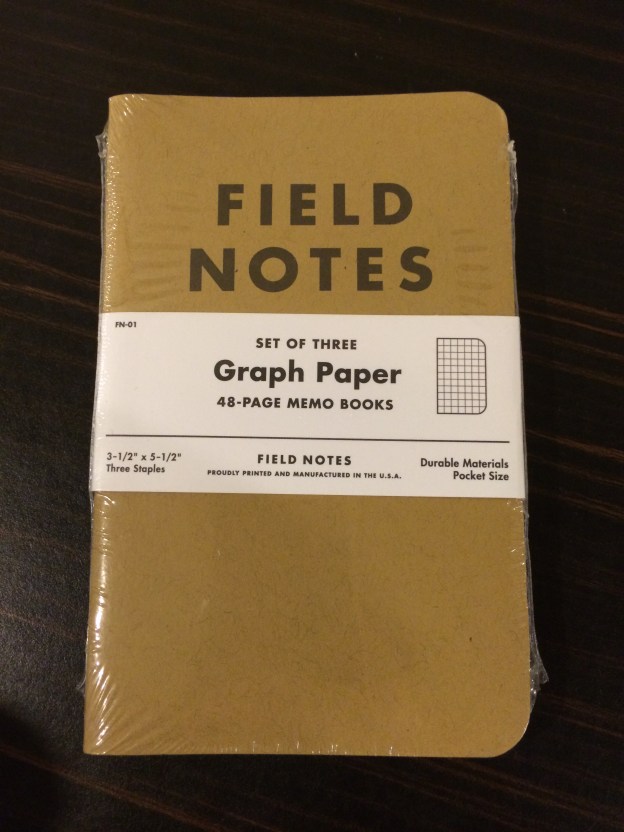
I was therefore surprised and suspicious when I saw that there was an alleged supplier a mere hour’s drive away from here at Black Estate Winery. I had to go past it on the way to somewhere else, so I decided to pop my head around the door to just double check that I must be mistaken. Which is where I found myself wrong and now the proud owner of:

Fieldnotes

I wasn’t sure what to expect as there is only so much you can do to judge a notebook without actually having it in your hands. In some ways they should be bland and nothing special. Yet the moment I first picked them up, I knew I could be completely sucked in. (I also stayed for a very nice cup of coffee, because I didn’t want to seem like someone with a notebook problem. I’ll go back there again and do a separate review at some point, I’m sure).

I opted for the graph paper, having used both plain and lined pocket notebooks plenty of times before. It feels like a natural fit; providing some structure if I need it, without being restrictive. Depending on how it goes, I feel this could become my format of choice.

I’ve decided that it is the perfect size to test on my trip to the US and Canada that is coming up. Marketed towards being rugged and durable, a road trip should be the most exertion I would normally put it under. If it holds up to that, then I might just be tempted to buy more once I’m out there. The new Shelterwood collection would be a no-brainer for me.


Tracking Goals: Going Analogue

Along with Lift (edit: now coach.me), I’ve also found something analogue to help with my habit formation and personal development. This is the cool Goals Journal from kikki K.

IMG_5378

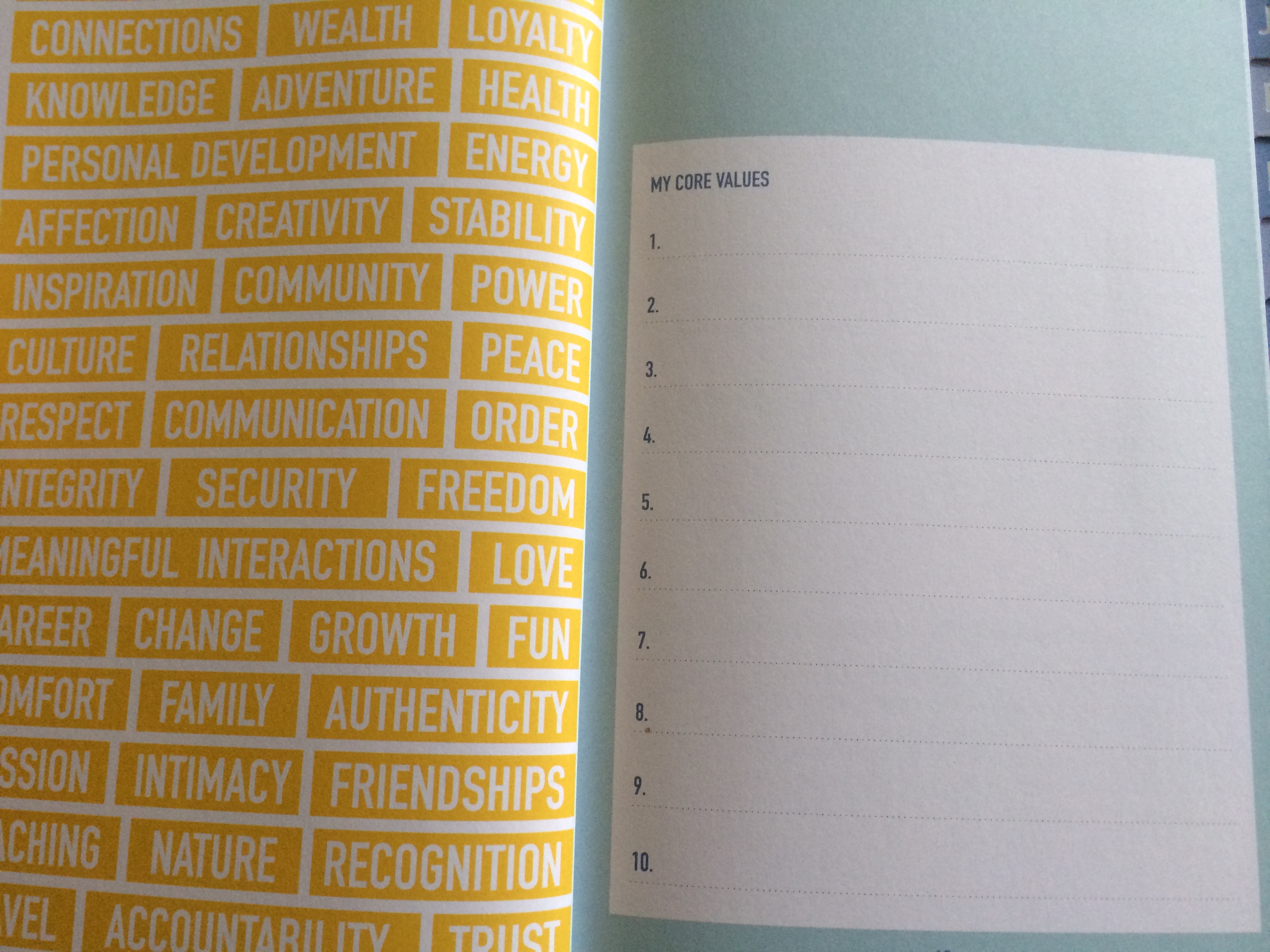
It takes some time to set up, but the process of doing so is really worthwhile. Instead of just coming up with random goals, it starts with the premise of trying to define your dream life. There are several helpful examples that talk you through the process, for example, stating your core values:

IMG_5379


The dream life itself has a few key factors, one of which is explicitly stating when you want to be living this. That took me a bit of thought. I obviously wanted to pretend I could get my dream life as soon as possible. Next week! But reality kicks in. So setting the balance between plausibility and so far in the future you’re not actually motivated to start straight away is a thought-provoking act in itself.


IMG_5380


Once you’ve worked out where you’re going to be, there is a section for each month where you define 4 goals. Only four for the month, so as long as you do it sensibly, it always feels achievable. The key part here is stating why you want to do this – how does it propel you further towards your vision?


IMG_5381

Of course, we all know that setting out goals is not enough. If only it were. But no, you actually have to take action to achieve them. To combat some of the most common excuses (I don’t have time etc etc), for each month there is a timetable. This urges you to set time aside for your goal work in the same way you would schedule an appointment for all the other areas of your life. This highlights how much time you really do have in your life if you want it badly enough.

IMG_5382


So, tomorrow being the 1st of March, I have completed everything and now it is all set up. At the end of the month, it’ll be interesting to see the progress I’ve made on my four defined goals (and if I gave myself the reward regardless…).