Tag Archives: GTD

Capturing ideas wherever, whenever

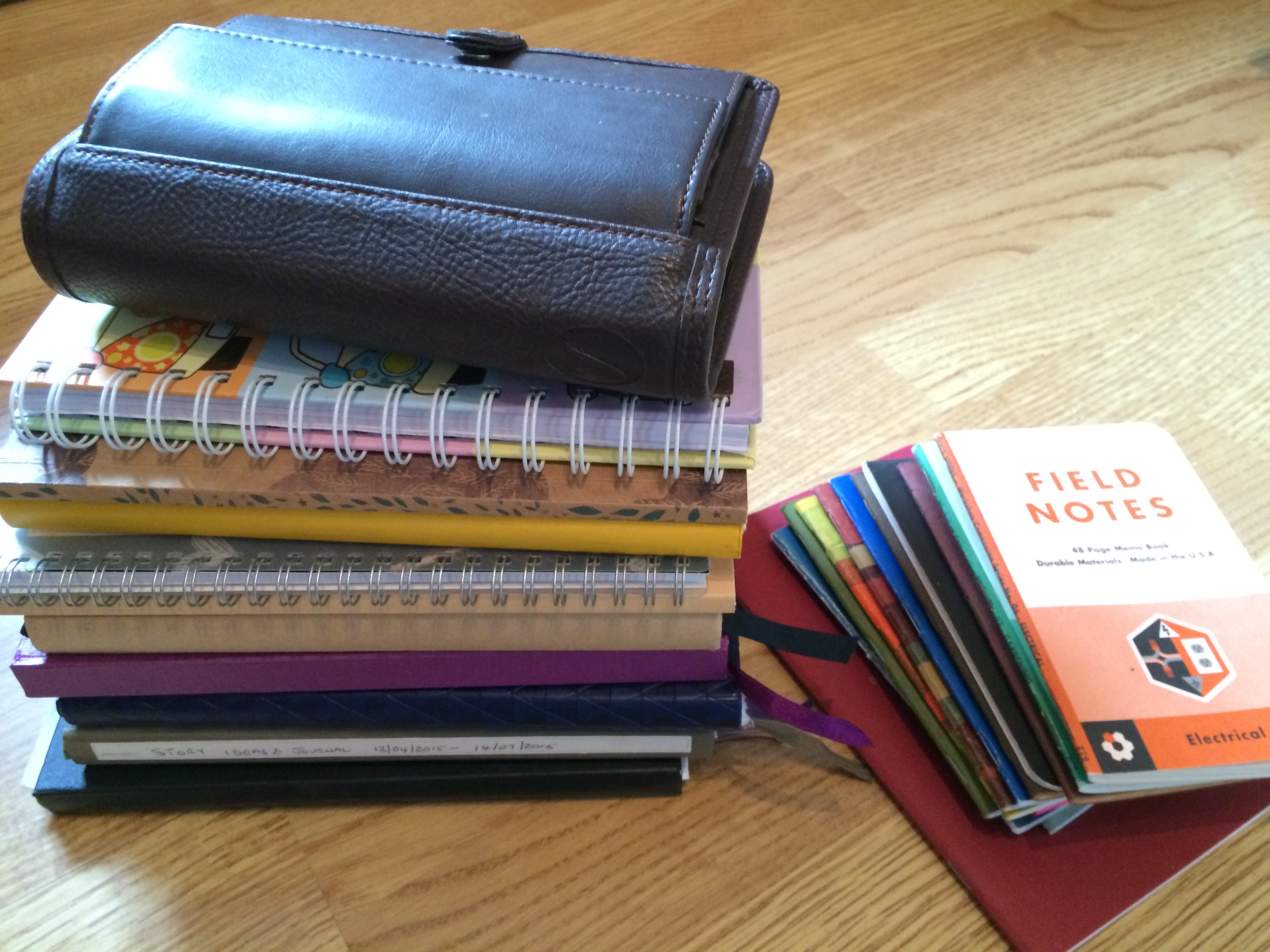
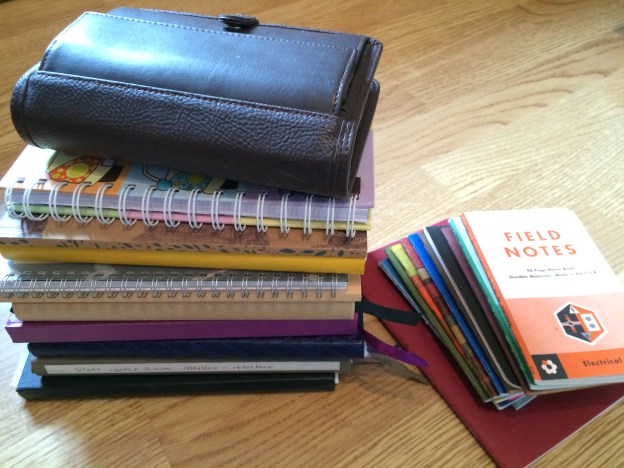
Intuitively I felt like I was capturing so many more thoughts and ideas as I moved through 2015. So at the end of the year I collected together all the notebooks I had completed into one place to confirm the theory. Yep, I had indeed had a lot of thoughts:

2015 notebook stack

Because I’m a bit of a GTD fan, I was in the habit of capturing things to do the moment I thought of them, but story ideas and general everyday thoughts and feelings, not so much. I made much more of an effort to do that and it shows. I have a whole treasure chest of ideas for stories I can now return to, as well as all the highs and lows of the year that I’ve recorded for posterity.

Broken down into three notebook types:

  1. The filofax was my daily log book for 2015. For 2016 I’ll be moving over to a Hobonichi which is already proving to be an amazing experience.
  2. The large, hardback notebooks were for novel plotting and extended meditative journalling, including daily gratitudes to set my days up right.
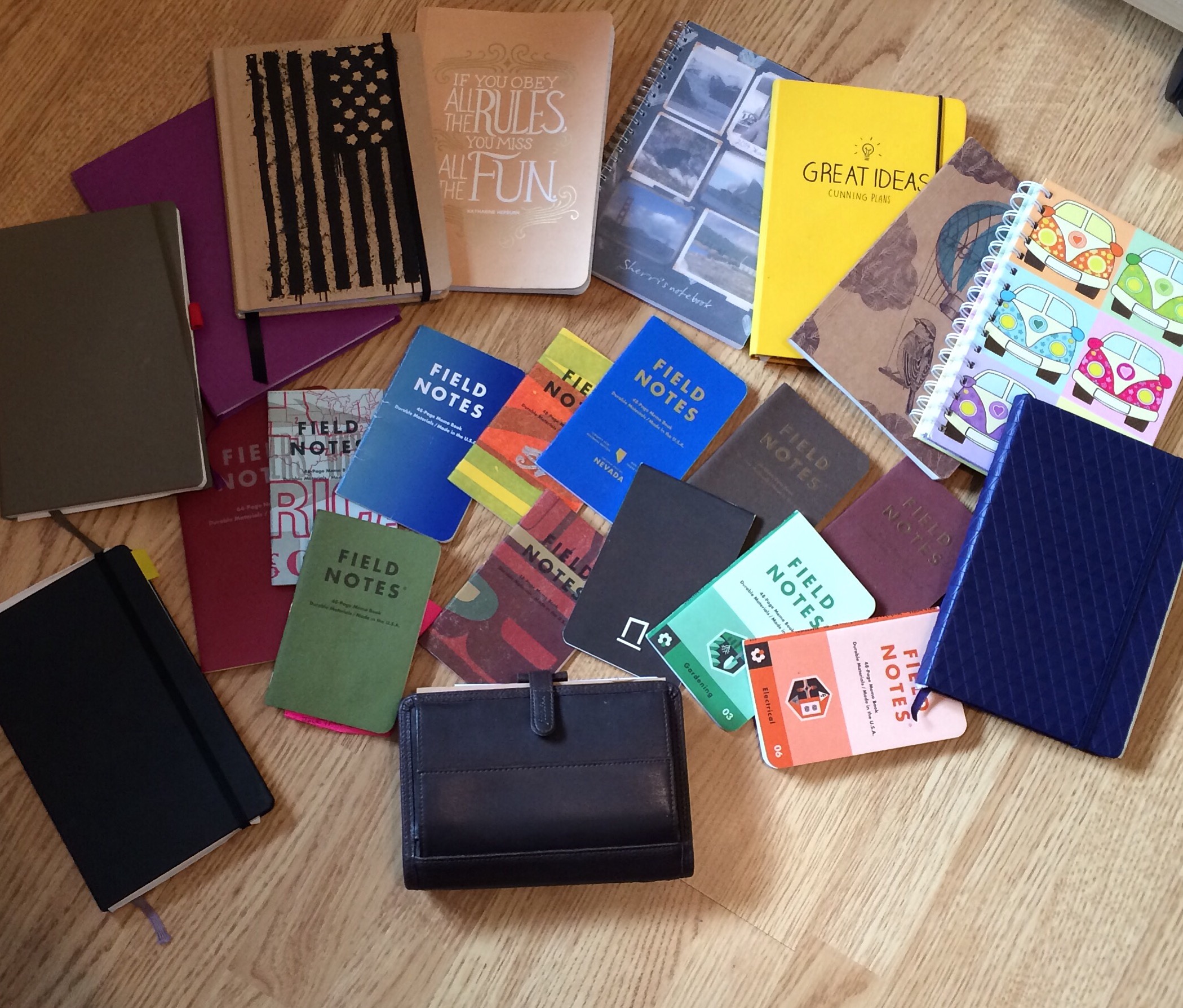
  3. Pocket notebooks (especially Field Notes) were always in my jeans or handbag for keeping track of what I had to do each day, but also for those random confluences of inspiration that happen when I’m out and about. Now I can capture them immediately (I’m guaranteed to forget them if I put it off until I get home).

2015 Notebook collection

I made leaps forward in my writing processes and achievements in 2015 and I fully intend to keep building on the momentum in 2016. More than ever I believe the best way to succeed at anything is to just write it down!

The importance of finding peace

Saying things have been crazy lately is an understatement. I know everyone in today’s world feels overwhelmingly busy most of the time. I’ve spent years putting systems in place to allow me to manage multiple products and still be uber-productive, but even I have had several moments of complete overload. I already know my yearly review of 2015 will be quite something.

Even my morning journalling, a time solely dedicated for quiet reflection, has been interrupted by a compulsion to check my phone, having random ideas that need capturing elsewhere and, quite frankly, the fidgetiness of a five year old.

It kind of defeats the point.

But the absence of peace and stillness has made me realise how important it has become to me. Not to sound like some hippy white person trying to be an eastern self-styled guru, but there is so much to be said for the practices of mindfulness and gratitude. Of just being in the moment and being part of the world around you. Of being able to appreciate an autumn sunset, rather than just whizzing past it on your way to somewhere else.

Lake Windermere

It has been manic, and there is more to come. Nanowrimo is coming up and I have six days to complete it in. This is not one of my crazy, self-imposed deadlines and I’m certainly not going to try and beat last year’s three day completion, but I won’t actually have access to my computer from day seven. So it’s either type or fail and I’m not the kind of person who relishes failure.

But it seems to me that in order to keep moving forwards, one needs to be intentional about standing still. About appreciating where you are and where you are going rather than just charging forward blindly. Life is about progress, but not necessarily about speed.

It will be over before you want it to be anyway, so don’t rush to a final location that may not really be where you ever dreamed you would go.

Putting the wheels back on the wagon

This isn’t my first blog about Getting Things Done (GTD for short) and it probably won’t be the last. Also, I always want to spell waggon with those two gs, but apparently that’s been classed as archaic now for a century. Clearly I really might be as old as I feel some days.

Anyway, I’ve had my GTD system set up for so long now that I’ve forgotten how to live without it. Or, at least, I thought I had. Then it became abundantly clear that I’ve been slowly sliding towards chaos in both work and personal areas. Luckily for me, my version of chaos is most people’s version of normal, so nothing slipped or became a problem. The only problem as such was in the way I felt. Like I was always on the edge of forgetting something important. It was horrible.

So on Friday I completely got things sorted on the work front: projects identified, next actions defined, emails and tasks list all up to date. It gave me a wonderful sense of freedom. One which was also, unfortunately, a false sense of security in how easy it was.

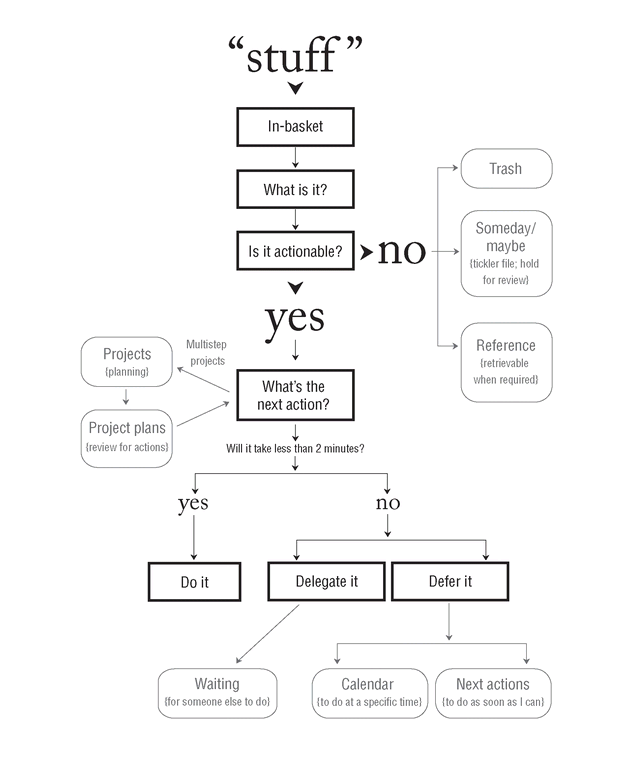
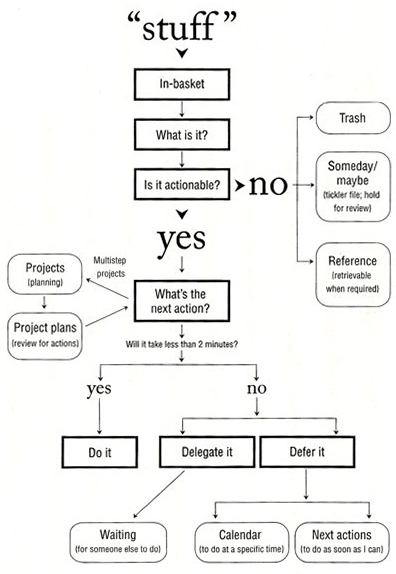
On Sunday, I then spent my day working through this:

GTD+workflow+diagram

By the end of the day, you know where I was at?

Step 1: Stuff to in (or collect, for those of you who prefer the term).

All of those things that had been lying around, pieces of paperwork, random receipts, half held thoughts in my head, were actually at least captured all in one place. For most people who pick up Getting Things Done, I think they fall at this hurdle. Don’t get me wrong, it is massively overwhelming. I burst into tears at one point and I am not a person prone to random crying. Well, not at this stuff anyway.

So why keep going? Because I do know what it feels like at the other end. To be able to be mysteriously more productive and still have time for creative thinking. Having this system will essentially allow me to have two jobs: employee and writer. The bills still need paying and without a system, the one I love the most would be the one I have to sacrifice.

That’s how you put the wheels back on. You remember that the two days of 100% overwhelm will be followed by many more days when you know exactly what has to be done and how you are going to do it. I’d rather do that than run through every day at 25% stress and go to bed each night kicking myself for making progress on everything other than the things that matter to me most.

Jack of all trades, master of some

I’ve come to a bit of a realisation. For most of us, specialism is dead.

I’m talking in a work sense here, rather than anything else, although I do wonder if the same principles apply. Sure, some roles will always be very specific. I mean, you don’t want to be operated on by someone who ‘dips in and out’ of being a surgeon. But in the fast paced world we are now living in, even those with a specific craft or skill will need to adapt quickly to ever-changing scenarios.

For the rest of us, everything is now fluid. Core skills (literacy, numeracy etc) will probably always be required at the heart of most roles. But now there are other important skills that need to be brought to the workplace: flexibility, innovation, creativity, persuasion and a learning mindset. It can be bewildering, but I also realised something great:

For those of us who have never wanted one of those very specific, narrowly defined roles, this is the best time to be in the workforce.

Because there will always be something new to jump into, if you see the opportunity and take it. I have an English degree and my masters was studying Critical Theory. Strangely, neither of them appear at all applicable to any of the jobs I have held, yet they have been the foundation of everything. Communication and appraising a scenario, seeing a problem and defining a resolution is a great thing to be able to do. And, if you’re prepared to learn a little code here, a little statistics there, then top it up with a hefty dose of project management, you can play the game in just about any industry.

Being a Jack of all trades is no longer a bad thing.

7 books that changed my life

I’ve been thinking a lot lately about how I just haven’t been reading enough. It is one of my goals for the year, but in amongst everything else it just seems to keep slipping. I find myself really struggling to get into anything new.

Which led me to pondering the question of which books have really touched my life. Perhaps if I can understand the things I’ve loved in the past, it will help me better choose what I want to read now. Once I started thinking about, it was tougher than I thought it was going to be. After all, how do you define such an impact? In the end, everything I selected met the following criteria: I have read them multiple times; they led to me doing something new or different and when I think about them, I instinctively feel they are comforting and familiar.

Only one on the list is non-fiction, so I’ll start with that.

David Allen, Getting Things Done

Perhaps this is the book that has had a direct impact on my daily life more than any other. I read it at least twice a year. I fall off the waggon about as often. But since I first read it, I have been able to organise my life and achieve way more than I would have otherwise. It allows my brain to feel less frantic in the work world, which is a gift in itself. Mind like water is still the goal.

Aiden Chambers, Dance On My Grave

I remember getting this book from the library when I was about thirteen or fourteen, venturing into the teen section. I didn’t really spend much time in the teen section as I moved straight to adult fiction fairly quickly. Yet this book about crazy, unpredictable, teenage love and the lengths it will make you go to when you lose it, opened my eyes. It also gave me the defining moment of what I wanted to have done after my own death, because I thought how useful:

“popped into the burning fiery furnace and reduced to manageable proportions, to whit: five ozs of fine grey ash, suitable for the making of egg timers”

Sir Arthur Conan Doyle, The Complete Adventures of Sherlock Holmes

Perfect writing, and memories of eating mint matchmakers at Christmas while reading story after story. I still do it most years. I’ve always been a little bit in love with the Holmes of the books, rather than the caricature of TV and film (Jeremy Brett excluded, obviously).

C.S Lewis, The Chronicles of Narnia

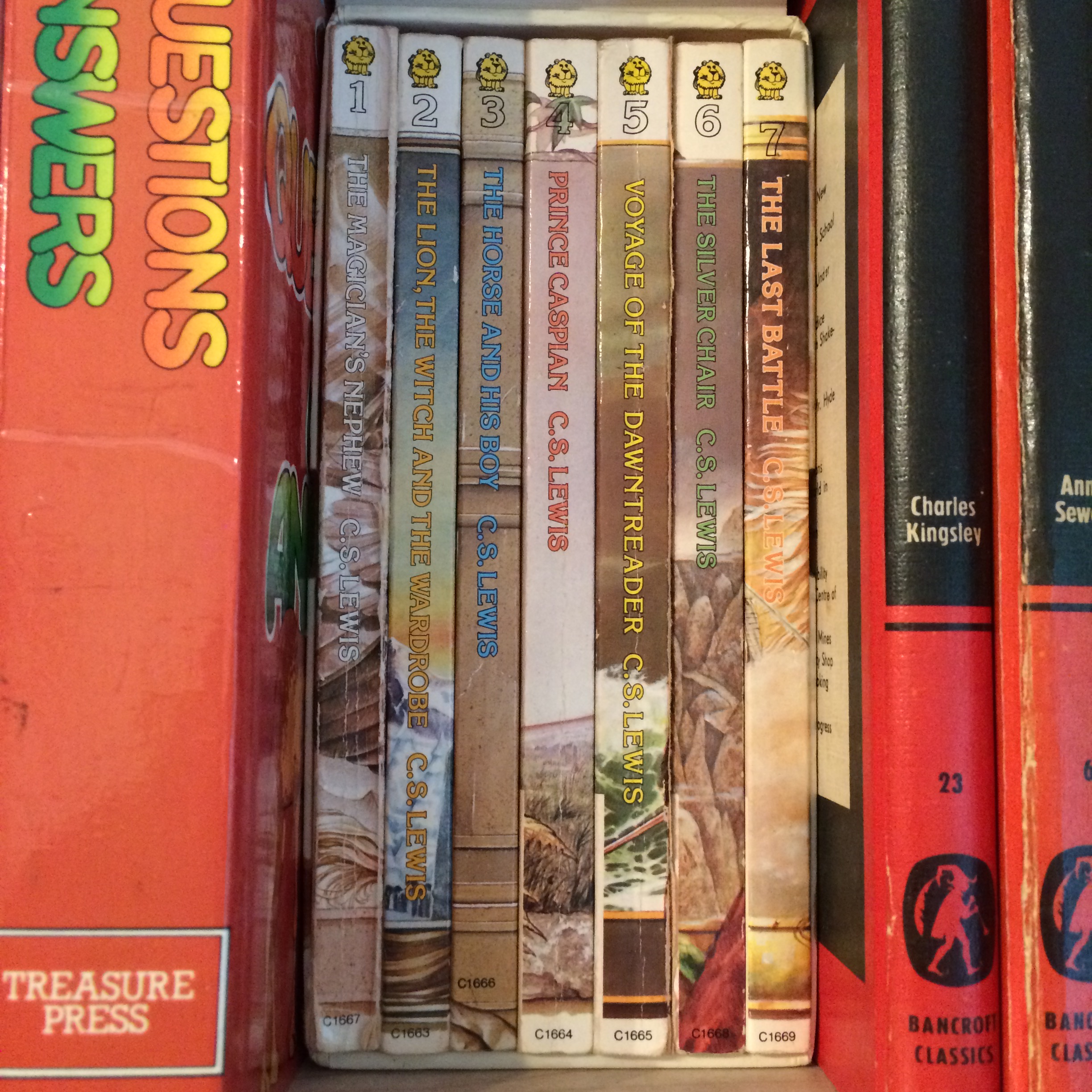
I am forever grateful to my parents for buying me the complete Chronicles of Narnia as a box set.

Still right here on my bookshelf

Still right here on my bookshelf

Mainly I’m grateful because I read The Magician’s Nephew first rather than The Lion, The Witch and The Wardrobe, so the magical wardrobe made entire sense to me. I’ve been getting annoyed with people who haven’t ever since. It was probably this that gave me my first love of fantasy and the concept that reading could make you escape into another world. Probably still couldn’t read the scene where Aslan is killed without crying, either.

Anne Rice, Interview With A Vampire

A quick jump into much darker elements of fantasy. My Dad had a copy of this on the bookcase and it was probably the first of many things I read when I was too young. There were pretty strict controls over age appropriate TV in my house growing up, but books were (mostly) fair game. If anything, this book taught me the importance of voice; the narration throughout this book feels so authentic, you feel like you are there.

Barbara Vine, A Fatal Inversion

Interestingly, I think I watched the TV series of this before the book. Certainly whenever I read it, I picture the actors, even though they don’t really resemble the descriptions in the book. That being said, I have honestly lost count of the times I have read this. There is no doubt it influenced my dreams for impossibly long, hot summers and aspirations of freedom. Not murder though.

Mostly.

Michael Connelly, The Poet

Finally, this book was a gift for my 21st birthday. By then I was neck deep in an English degree and books had been sucked of all joy. I really didn’t enjoy reading at all. I couldn’t just read any more, I had to analyse. It was a bloody awful time. Then my Mom & Dad got me this book (have you got the sense yet of how big a thing reading was in my house growing up?) and it had nothing at all to do with anything that could be related to a course. It was a modern thriller and a way back into enjoying crime. I read it in more or less one sitting. It made me remember why I loved reading for reading’s sake, not just to pass an exam. It also got me back into enjoying crime fiction and mystery after a time away.

So, I’ve just taken that trip down memory lane and I’m not sure if it helps or not. It certainly doesn’t narrow things down to author or genre. I suppose I’m just looking for characters I can engage with, voices that are authentic and plots that I can’t predict. I’ve also realised I’m in much the same slump as I was back at university. I spend so much time editing these days (both work and personal) that I feel like I’m just seeing the words, never the story itself. It’s probably going to take a really good book to shock my brain out of that state again.

I just hope I find it soon.

Anyway, I can obviously recommend all of the books above if you haven’t read them already. If you have anything that you think can break through the ice in my brain, then leave a rec in the comments and I’ll gratefully take a look.
 

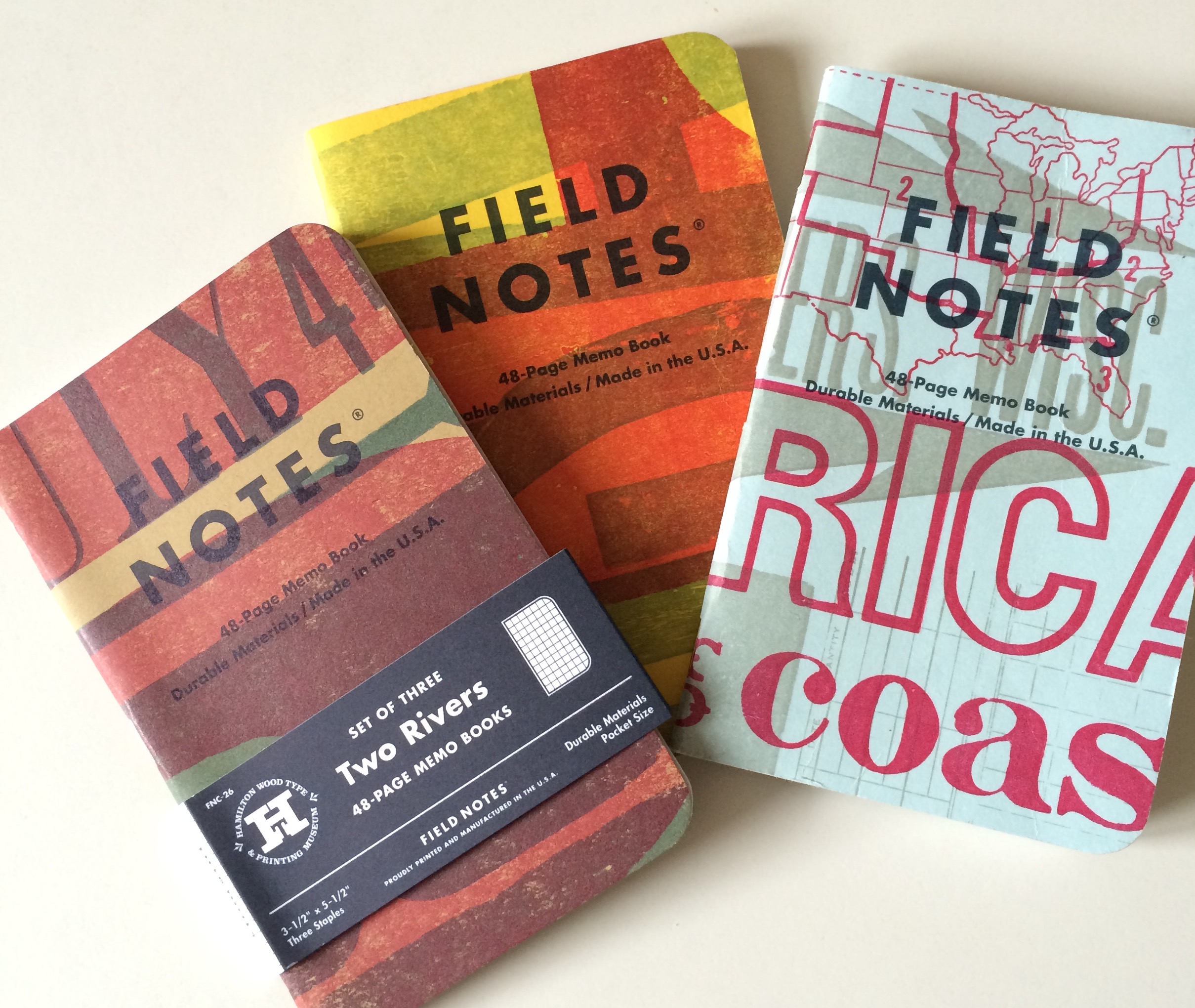
Field Notes – Two Rivers Edition Review

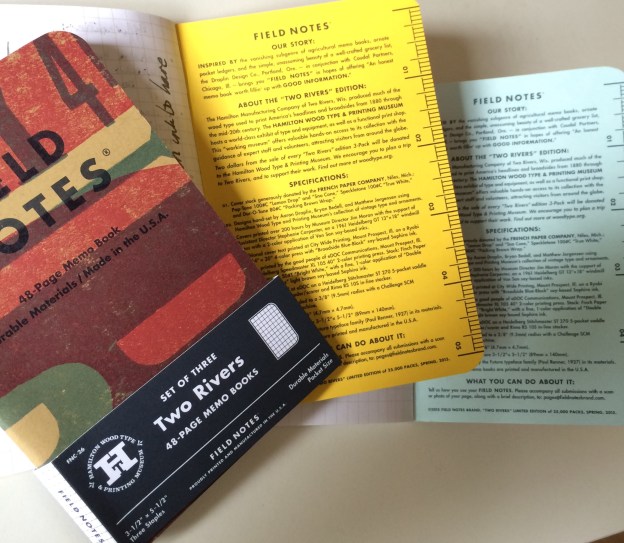
With the summer Field Notes release almost upon us, it seemed like a last chance for me to do a review on the Two Rivers edition. I have used 1 and 3/4 notebooks from this set, so I am torn between finishing up the existing one or holding out to see what the next release will be. My handwriting may become quite small over the next week or so as a result.

Field Notes Two RiversThis was the set I opened (not the only set I purchased *ahem*) and the light blue one was the one I started first. I love this edition for its multitude of designs, which means that no two packs are actually identical. Nothing like uniqueness to drive the hard core collectors absolutely nuts. Plus, it was another set with gridlines, which is currently my absolute favourite. Although, if they pull out a dot grid for the next edition you wouldn’t hear me complaining.

Everybody knows I love the size and handiness of Field Notes. They are perfect for ‘on the go’ capture as well as being fun. This set has already seen a bit of Europe, so I think it’s safe to say it works well as a traveler’s notebook. I’ve taken the bullet journal system and modified it for what I need, so I have the flexibility to get stuff done, as well as be inspired:

The dichotomy of modern life

The dichotomy of modern life

My only wish is that the paper was more fountain pen friendly, but that is not really the intention of an everyday carry notebook. At 48 pages, it might not carry the clout of a moleskine, but it does mean I get to start a new one every 6 weeks or so, which is way more interesting and engaging. Plus, the Two Rivers edition also comes with a charitable donation towards preserving a culture and heritage project, which you can find out more about here.

So how do I rate the Two Rivers edition? I think it is the most enjoyable one I’ve had so far, and certainly gives a nod towards the original purpose of the edc notebook style. I’ve enjoyed using it a lot, to the point the latest one has started to fall apart. I can’t wait to see what the summer edition is, but this is a pack I’ll be going back to often in the future. I love it.


Happiness is the key

I am very goals driven. I have no idea how that came to be, other than perhaps the fact I am a control freak with parents who demanded the very best from me at all times, with an innate sense of dissatisfaction with the status quo I carry round with me permanently. Maybe. Just guessing.

Despite that, I’m constantly battling that part of myself which is actually happiest when I have nothing to do and all day to do it. Laziness is the first word that springs to mind. But is it, really? Is it lazy to take time out to recharge? Isn’t that why everyone loves holidays so much? Even the busy sight-seeing types are built around doing something inherently fun, not goal driven. True, visiting a certain country or city might be a bucket list item, but it’s not driven by the work/achievement reward system.

I’m a productivity junkie. I can’t help it. I love all that kind of stuff. Smarter, faster, leaner. Not harder. Better. Get the very most out of the time we have available. And yet…?

Increasingly it becomes clear that time out is the key to making that all work. Without it, the goals themselves come to lack satisfaction, even if they are achieved with speed and precision, excelling all expectations. We lose sight of what actually matters most, when it all becomes about ticking a box. All tasks, if we’re not careful, come to take on equal weight.

Life isn’t like that.

A three day weekend could have been about cramming something into every second to make sure the extra time away from work wasn’t wasted. Whilst it’s true that I got a few things off the list, yesterday was mainly about being still. About taking the time to think about what I was feeling as much as where I was going. I’ve recently switched up to writing my journal in the morning rather than the evening, so it becomes about being mindful at the beginning of the day, not simply reflective at the end. So far this appears to be working for me. It will need a longer run to see if it’s sustainable, but if it is, then I think it could be one of the keys to enjoying life more, rather than doing life more.

Time is short. Life is precious. But being successful – in our modern definition of the word – doesn’t automatically equate to looking back on a life lived with no regrets. I’ve spent the past few months letting go of dreams I’ve held too tightly for over a decade. It’s been painful, but it’s allowed me to see the bigger picture again. It’s opened up the space to allow me to dream more; dream bigger. Like letting go of your first love so you can actually make room in your life for finding your true love.

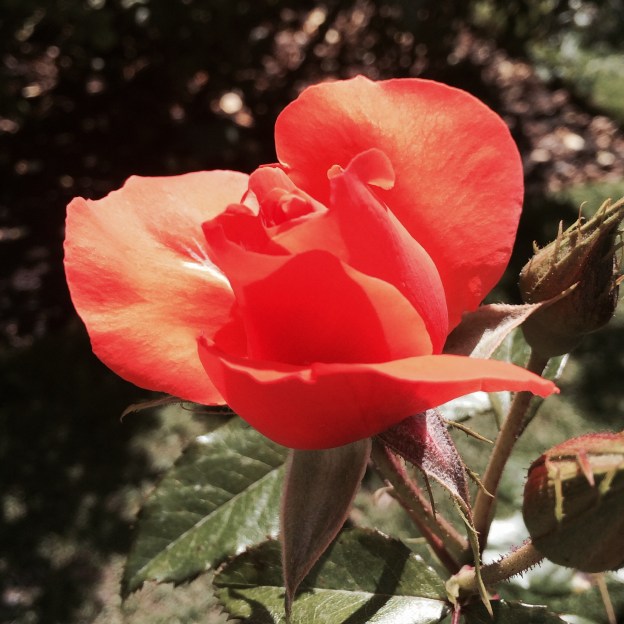
It can feel like losing a part of yourself, but like pruning a rose bush, it just allows you to come back bigger and stronger than you were before.

Field Notes Datebook Review

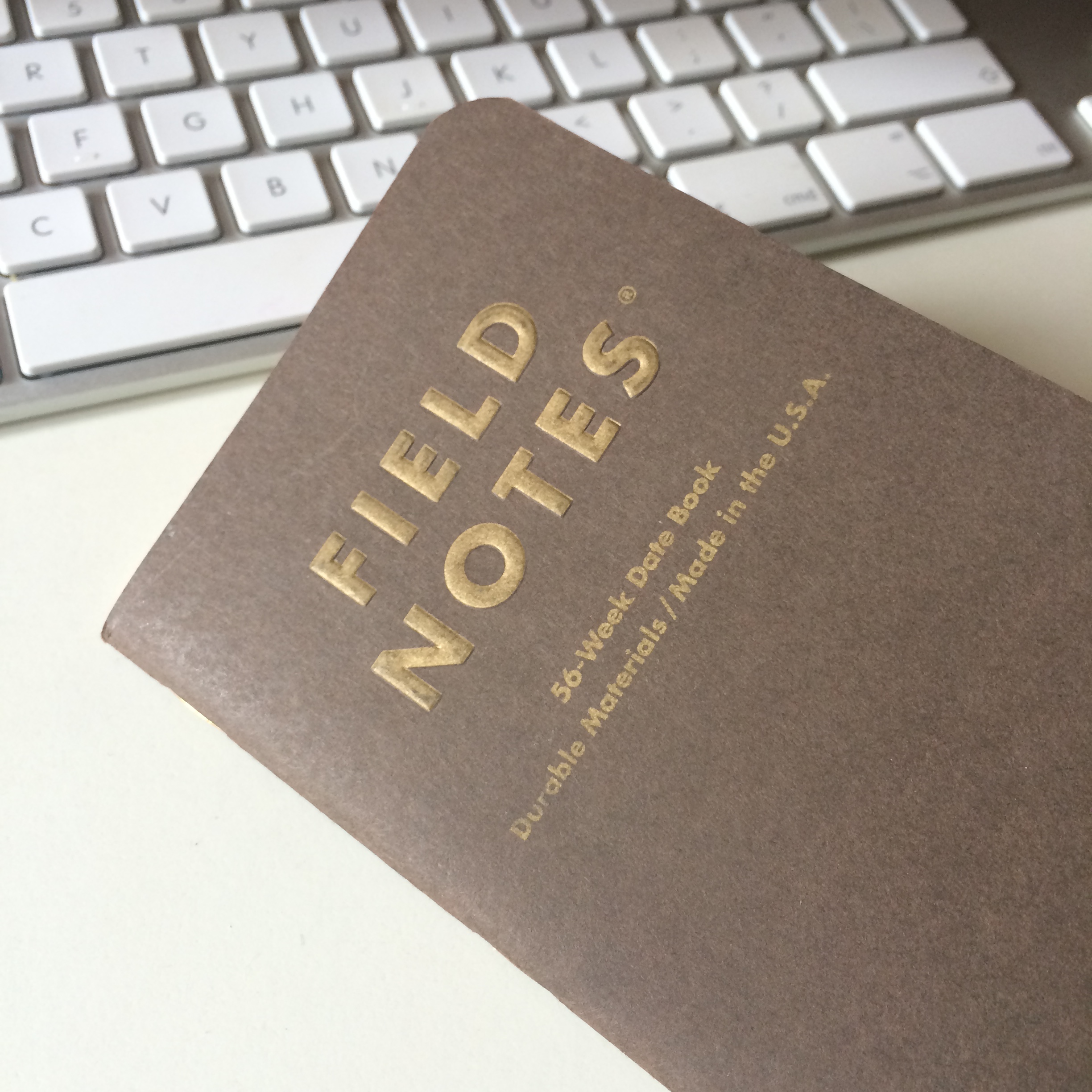
I have to say, from the moment I first received the Field Notes Ambition edition, I loved it. Enough, in fact to become a colours subscriber there and then, which I’d been putting off doing for over a year already. I did have some concerns though. After all, this wasn’t the standard approach of all the interiors being the same. Alongside the regular notebook (graph paper, my favourite) there was also a ledger and a datebook. These are, obviously, notebooks with very specific uses.

Field Notes Date Book

The memo book was used up really quickly. That was a no brainer for me, especially with the slightly thicker paper that made it quite fountain pen friendly. The ledger? Well, I feel like I’m still working on getting the most out of that one, so I’m certainly not in a position to give it an objective review. However, the thing that has surprised me most is how consistently I’ve used the datebook. It’s actually worked out quite well for me. So, how do you use it and make the most of it? I think it’s by focus.

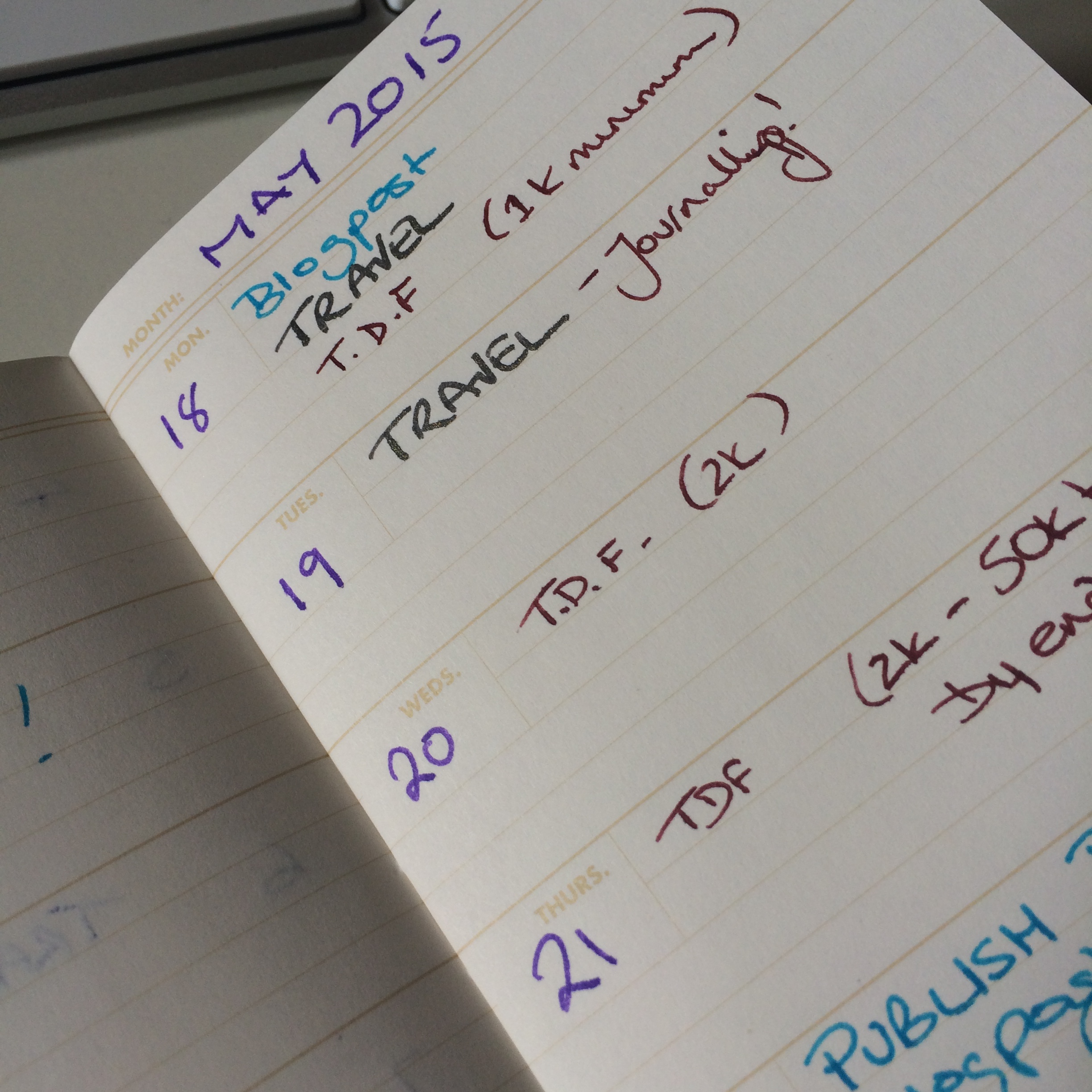
Calendars for both my personal and business life are shared digital entities. We live in a fluid and ever challenging world; my schedule never goes how I envisage it at the beginning of the week. So instead, I use the Field Notes datebook as a way of planning and tracking my writing schedule only. By having only one, very specific purpose for it, I am able to go back to using a paper planner despite living in a very digital world.

Field Notes Date Book Use

Ignore the terrible handwriting, please. The only ‘calendar’ style item that goes into the Field Note datebook is when I’m travelling. This has an impact on my 6am morning routine sometimes, so I need to make sure I do extra planning to negate that as much as possible. The rest is just a simple scheduling approach to writing projects that I need to get done, whether they are media (such as blogposts), creative endeavours (the actual writing itself and a goal word count) and then any other writing related activities that are more of a business nature.

I plan these every Sunday as part of my weekly review. This gives me a chance to not only schedule my writing, but see what is and isn’t working. So far this year, I have found this approach to be immensely useful. Even though there have been more exciting highs and sluggish lows this year than normal, without this book I don’t think I’d really have a handle on what’s going on. This gives me a degree of security that I guess this blog is all about when it comes to blending creativity with productivity.

I’m also hugely grateful that a friend bought me another pack of the Field Notes Ambition Edition back from her recent trip to the States, which means I have another date book I can use next year!

I’m sure most people have one area of their life they wish they could focus on more, whether it is health and fitness, reading, or study. If you’ve been looking at the Ambition edition and wondering how you could possibly use it, then I’d say this way is a definite contender. As you date it yourself, there’s not even any dependency on waiting for the start of a new year. Commitment and focus can start at any time you choose.

The importance of a quarterly review

We’re at the end of March. Which means one thing: quarterly review time!

For years I have been a follower of David Allen’s Getting Things Done system. It works. In my opinion, it is the first step in allowing you to start being more productive in all areas of your life, not just your career. I think one of the common misconceptions about the whole GTD methodology is that it is just for work. For go-getting executive types. The ones with the sharp suits. Spoiler alert: that’s not me.

What I am is a busy person with a tendency to over-commit. I also keep a level head in a crisis and in the face of overwhelm, which helps people believe that they can dump more sh!t on me because I am keeping my head above water. It’s great, really. I love it.

But being productive is only one part of the picture. I don’t want to be super-efficient at all the wrong things. That is about as fulfilling in the long term as doing nothing at all. So while a lot of people focus on the lists and gadgets to implement GTD, for me the most important – and oft overlooked – part is the weekly review.

In order to really stay on track though, I think it is vital to implement a quarterly review. Why? I hear no-one ask, because that sounds like just another thing to add to the list. I’m going to tell you anyway. You can say thank you later.

It gives you a chance to course correct

If you want to make God laugh, tell him about your plans – Woody Allen. We set out at the beginning of the year with the best information available at the time. Then external circumstances change. Even if you’ve been making good progress, if things have changed too much, you’ll just keep getting further and further away from the new best end result. Every three months is a good time to assess those changes and course correct as necessary.

It motivates you when you see how much you’ve achieved

I’ve already hit the my first big writing goal of the year. I’ve got a huge house project that’s been hanging around for ages done at last. Sure, I’ve not been perfect, but it’s not been terrible.

It gives you a framework to address consistent areas of weakness

I haven’t hit any of my health goals for this year. In fact, it’s the one area of my life that when I look back over the past three months, I see consistently poor and even backwards progress in some cases. We’ve all got these areas on our life. The hardest part is facing up to them. This is your chance to do so.

*puts down doughnut*

It means you don’t look at your New Years Resolutions in December and realise you’ve wasted another year

Because we’ve all done that, right?

A few quick step-by-step approaches

1. Review the goals you set at the beginning of the year and assess the progress you’ve made. Honestly.

2. Get rid of those goals you added on because you thought you should, not because you wanted to. You’ve got no reason to do them, not emotionally, so they’ll just clog up your list. You need goals that you’ve connected to, the ones that have a why? attached.

3. Have you been capturing all those things you need to do into somewhere reliable? If not, do a mindsweep and do it now. Put it on paper, on your laptop, your smartphone, whatever you choose. Just make it somewhere you’ll look that you trust.

4. Look over your life – all areas, all levels. Is what you’re doing consistent with your roles and responsibilities? Your dreams? Your 2-5 year vision? There’s no great mystery behind this. If you start doing it, honestly, you’ll find some part of your psyche tugging you towards something if you’re off track.

5. What next action steps do you need to take to get moving again on your goals?

6. Pick one of them and do it immediately once the review ends.

That’s it. It really is that simple. All it takes is the commitment and will to move forwards.

Good luck!

GTD-Workflow

90 minute sleep cycles and writing routine

Anyone who knows me or who has been following this blog for a while knows that I am a huge fan of morning routine. This is the most important time of my day. It is my writing time. This time is GOLD.

Over the past few months, I’ve been trying to adjust to the fact I lose two mornings a week now to travel. My usual routine is to begin writing at six, but on those days I start travelling at six. I’m not going to tell you which I prefer. I think you already know the answer. If you’re my boss reading this, then you can choose to pretend it’s the travelling.

The thing that confused me most was that I seemed to struggle to recover so much on those days when I could do my routine as normal.

That was when I started to seriously look into the concept of the 90 minute sleep cycle. I haven’t mastered things just yet, but I’m starting to see some minor improvements.

You see, on the weeks I don’t have to travel, I have a regular bed time as well as wake up time. I’ve been doing my 6am morning routine for over four years now (maybe even longer) and my body found its evening bedtime naturally as a result.

The problem with adding the new travel to my schedule was that I was then so tired when I got back, I was going to bed an hour earlier to try and compensate, but somehow still felt terrible the next day. Having looked a bit more into the idea of 90 minute sleep cycles, I could start to see that I was probably actually making it worse without realising it.

This is still, of course, all theory for me. I’m tempted by the prospect of buying some kind of sleep tracker to see if what I believe and what is reality actually tie up. Perhaps the apple watch will ultimately track this. I don’t know, but I’m already looking for a reason to buy one. Not this year, obviously. I’ll let all those early adopters iron out all the bugs for me first. But anyway, I digress.

I’m going to continue to try to work my life around getting the most out of my sleep, so I can make the most out of my mornings. For anyone who wants to do more with their lives, then I strongly believe that making time for yourself before the rest of the world wakes up is the best way to do it. It takes commitment, and it takes using all the tips and tricks you can to make it work. Bed is, after all, a wonderful place to be. But I’ll be trying to make sure I stay in it for only n x 90 minutes at a time to make sure I wake up feeling ready to go, rather than just ready for coffee.*


*who am I kidding, I always wake up ready for coffee. That’s the real reason for waking up even if you’ve slept like a baby all night long…