Tag Archives: environment

Canada Totem

Road trips: San Francisco, Vancouver, Alaska

So, I have been on the road now for the best part of a month. The purpose of this was twofold: for writing research and for pleasure.

It has been, without a doubt, a very interesting and busy few weeks. Having flown from New Zealand back in time, we covered San Francisco, Vancouver and surrounds, as well as Alaska. One thing has certainly be cemented this year, and that is the fact I am clearly more of an outdoor person than a city person. Which is not something I think I ever really realised before. Whilst I’ve never felt compelled to move towards the big lights, I could never really say I was much for tramping in the woods either. Perhaps it is something that is becoming more defined as I get older, or perhaps people are becoming less appealing? Who knows.

Canada Totem


I’ve certainly got a notebook full of ideas and places, characters that are calling out to me to be written. Turns out the Fieldnotes books are the perfect size for that length of stay. So the trip itself was definitely a success.

The next month will definitely be a busy one as I try to do something with it all…

Plus, I finally purchased a fountain pen in my bid to get back to handwriting some of my work. I’m loving it so far and can really notice the difference, compared to banging out the words on a computer. Review to come shortly.
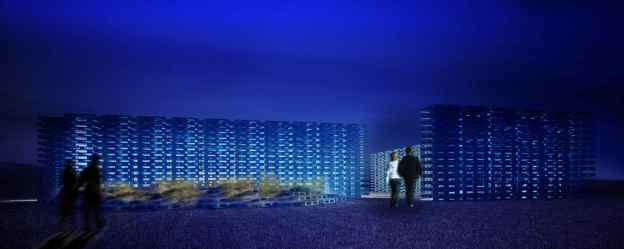
 

Saying Goodbye to the Pallet Pavilion, Christchurch

I have said in previous posts that one of the most encouraging things about being in Christchurch is the inventive and creative ways they have come up with using the devastated empty spaces left over by the earthquake. The Re-Start Mall is still one of my favourites, but closest to me is the Pallet Pavilion. Sadly, this came to an end this weekend.


palletpavillion


The Pallet Pavilion is exactly what it says on the tin: a community event space built out of pallets. Part of the GapFiller project, it was one of many temporary pieces of architecture created by volunteers to utilise a space that would otherwise have remained a dull and depressing piece of waste ground.  It has also been a lot less temporary than first intended; so popular that it has been kept open until the cost has simply become too much.

Being halfway between my apartment and the library, I have probably walked past this structure more times than anywhere else in the city. From the moment I arrived it became part of my psychological landscape. I know that the next time I walk past it will be gone and that’s going to be a sad thing. But it also means that there is progress. The city around me is rebuilding even as I sit here, three months in, and it is ramping up to an even faster rate.

Created by a population that was coming together and building something out of nothing, I hope that spirit continues on as winter comes and the fourth anniversary of the biggest and original quake – a cracker with a magnitude of 7.1 – rolls around in September, with so much still left to do.

Things To Do In Christchurch: Akaroa Kayak Experience

Me in a kayak? Anyone who knows me also knows the concept of me doing anything requiring balance is an amusing concept. After a particularly bad bout of vertigo several years ago which left me unable to stand upright for a few weeks, tightrope walking was most certainly ruled out as a career option.

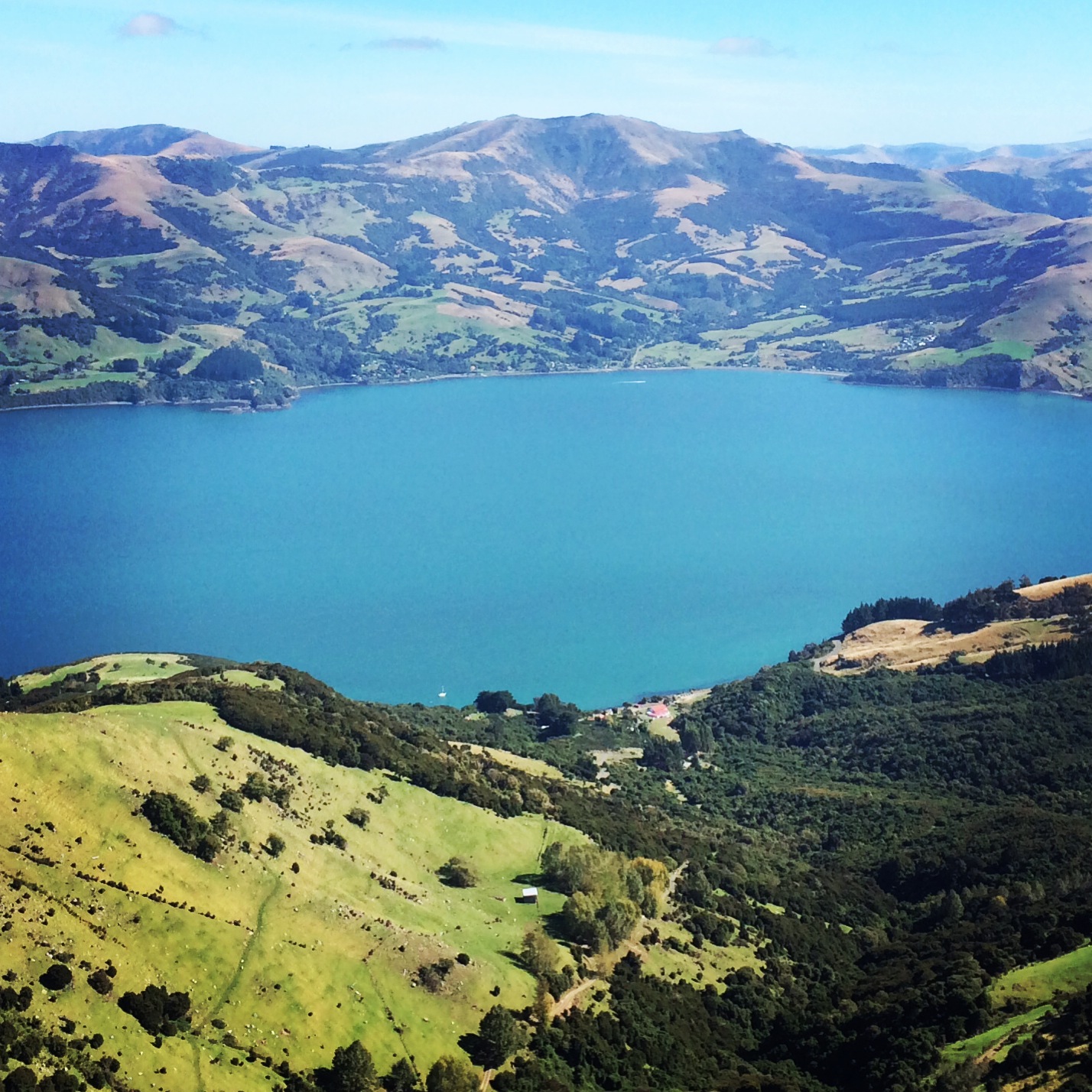
Still, being brave, I signed up for the kayak adventure with Pohatu Penguins. Unsure of what to expect, my main goal was not falling in the water. Firstly, the drive to get there was amazing. The Kayaking itself was in a marine reserve, so finding it was deliberately difficult. But the scenery from the top of the mountain was breathtaking. Unfortunately, the slight haze and the fact I only had my iPhone meant that I couldn’t really do it justice.

akaroa


Following the descent back into the bay, there was surprise sheep feeding (why not?) and an up close experience with two tiny and adorable penguins that were being nursed back to health after being found weak and exhausted. Discovering that during breeding season they would make the way to the top of the mountain certainly gave that some perspective. I’d want more than a few fish to recover from that.

With only one other couple in the group, it was a very personal experience and we had the bay to ourselves. Having done mass tourist experiences a handful of times in the past, I would always forsake the slick and commercial for the small and passionate. There was plenty of time to chat with the guide and the whole experience was fun and informal. I would certainly consider doing the bigger package next time and getting to see more of the wildlife. Getting splashed by a playful seal whilst out on the water certainly gave us a taste for the great outdoors that was missing after spending so much time in the city. Having spoken to the guide, they also do a slightly modified version for cruise visitors to the area. Companies such as Royal Caribbean tender here now, due to the port damage in Christchurch caused by the earthquakes.

I can also recommend getting fish and chips from Murphy’s on the peer afterwards. Kayaking is strenuous activity, after all.

I Didn’t Sign Up For This…

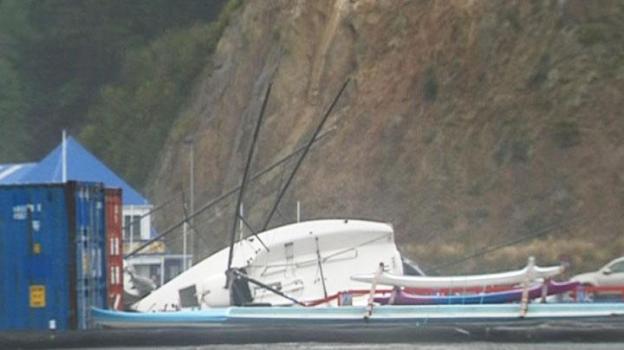
I thought moving down under from an English winter would result in something that was fairly consistently summer-ish. Instead, we are about to finish day 2 of gale force winds, thousands of properties outside the city have no power and the water on the balcony is several inches deep and rising.

This just about sums it up, courtesy of tvnz:

lyttleton_wild_weather_boat_fallen_Master

Three Years On, Remembering The Earthquake of 22nd Feb 2011

One thing it is impossible to ignore in Christchurch is the fact there was a big earthquake here. Even if you know nothing about it, just a simple walk around the CBD will hit you in the face with the enormity of it. Three years on, and so much of the city is still destroyed that it seems amazing that people could still feel optimistic.

Speaking to local people, there is a sense this year that whilst things will be sombre on this day, including a minutes silence across the city at 12:51pm to mark the moment the most devastating of the quakes hit, that it is time to look forward. That rebuilding, whilst slow, is underway and that progress will eventually be made.

I’ve always been fascinated by earthquakes and volcanoes so finding this time-lapse map of that day was a good way for me to get perspective of the scale. The first thirty seconds or so, nothing really happens, which actually gives a great sense of how there were no warnings. No sense that before the moment where the clock rolls round to 12:51 there is something big coming.

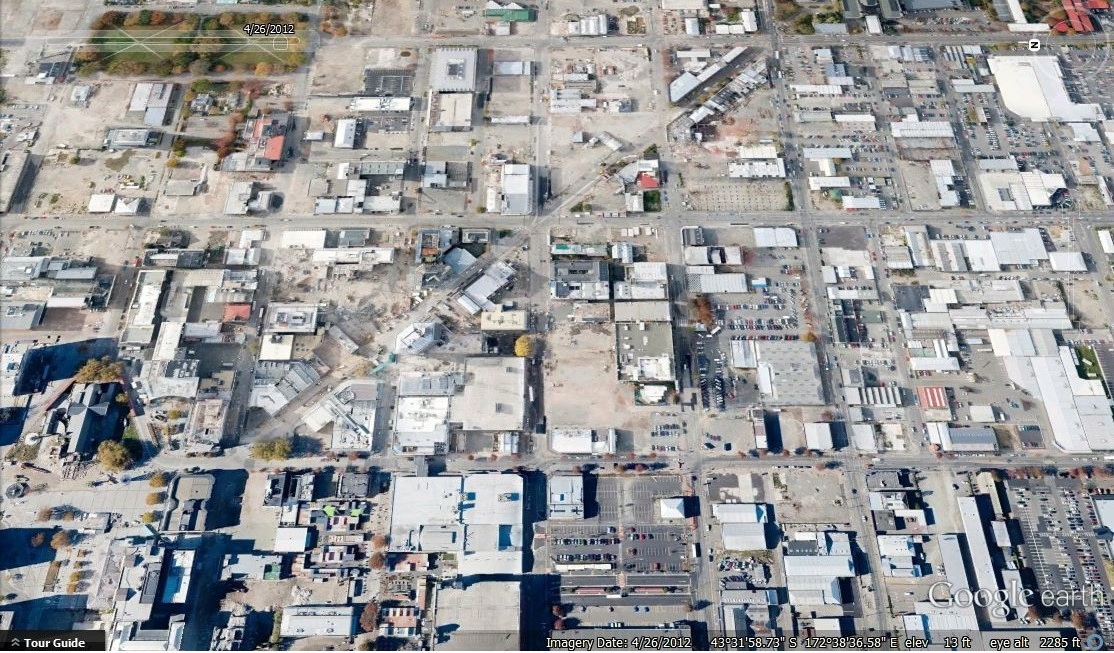
Something that would end up leaving the city looking like this (courtesy of google):

chch

Even some of those buildings are gone now, with others being demolished around me as we speak.

So yes, as a visitor to the city, I can see how hope can be a little thin on the ground sometimes, but people sure are trying their best.


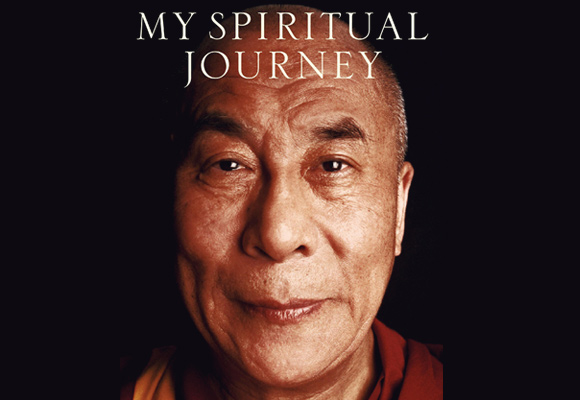
Book Review: My Spiritual Journey by The Dalai Lama

Having joined the library as a ‘must do’ after my move, I decided to use the opportunity to get hold of books that I might not have taken the time to purchase when I was living back in England. As with the rest of this move, it is all about embracing the new.

Which led me to picking up My Spiritual Journey by The Dalai Lama. Disclosure: I am not a religious person. I was not brought up in a religious family, but was always told to go out and see for myself what was out there.

That said, the most interesting bit of the book that I found was not actually to do with religion or the spiritual journey of The Dalai Lama (although it was informative and excellently translated into English). No, for me the most interesting was his role as the spiritual leader of Tibet. I have always been fascinated by the intersection between religion and politics and this was an excellent example. Although obviously biased, this was well enough written to make me feel moved on behalf of the Tibetan people.

Likewise, the destruction described of the natural environment of Tibet – which I am assuming to be true given what we know about Chinese industrialisation and deforestation as a whole – left me feeling extremely sad that this would be the case.

Overall, I would give this 7/10 – the loss of marks mainly due to the repetition of several of the key themes. Not one to be dismissed if you are a person of a different faith, as the tone of this book throughout is entirely inclusive.