Category Archives: Writing

Writing YA in Lake Garda

So, I’m in that flush stage of starting a new WIP and as so often happens with anything I write, it has a slightly warmer location than miserable old England. Which, of course, is making me think about holidays, which made me start going through my old photos. Jumping back to the top of places to visit: Lake Garda, Italy. I might try and squeeze in a trip later this year…

Lake Garda Italy

moleskine

Down to the last page!

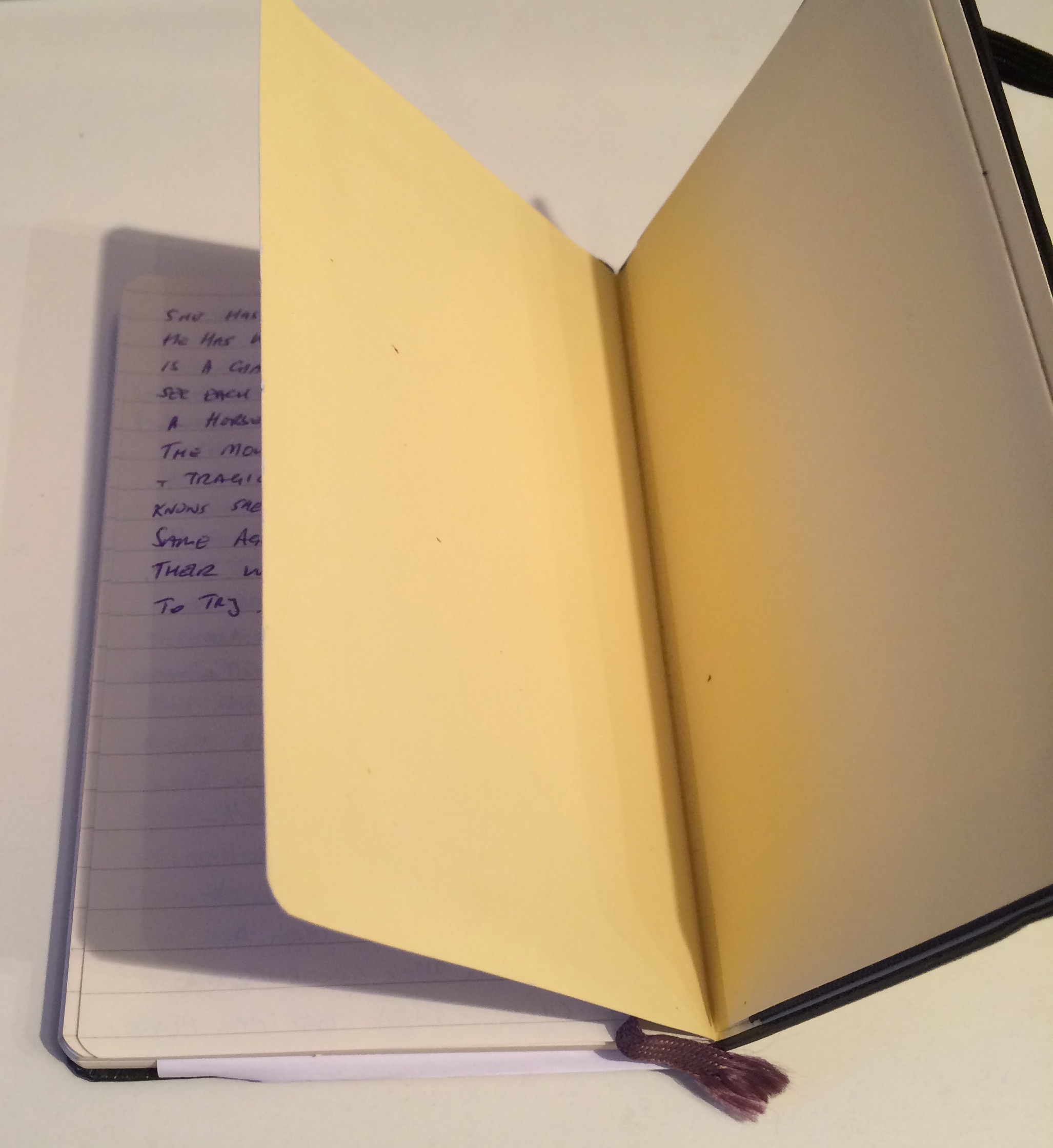
There is something so wonderful and relaxing about sitting at the edge of the Lakes. Even though I have been there a couple of times, usually at the height of the tourist season, there is still a sense of peace there. I also completely conceived the plot of the YA novel I am currently submitting there. I remember vividly coming to the end of the Moleskine I was using at the time (pre Field Notes!), my writing getting smaller and smaller in the hope I would be able to get it all down before I got to the last page. I did – just about – but was willing to write on the cover if necessary.

It’s been nearly fifteen years since travel and writing somehow became inextricably intertwined for me. It’s a beautiful combination that I hope I always get to enjoy and continue to be inspired and motivated by. Plus, pasta, pizza and good wine. What’s not to love?

Life hacking my year

I set myself some pretty big goals in 2015 and intend to make 2016 my most successful year ever. Of course, we’re still in January, so making bold statements like that before the grudging reality of the daily grind kicks in is still possible. Even so, I picked up a few life hacks last year that I’m going to carry over into this year. They apply to daily life, so they cover off all my goal types: writing, financial, spiritual, physical etc.

Top tip number 1 – the standing desk.

Several personal development pros I follow have recommended this, but the biggest influencers for me were Jeff Sanders and Michael Hyatt’s blogpost and podcasts on the topic:

7 Amazing Benefits of a Standing Desk

4 Reasons you should buy a standup desk – right now

Previously I would spend 6-8am sitting writing, 9-6 sitting for my job, then often 7-9 sitting doing more writing. That is a lot of sitting. Now I still do the writing stints sitting down, but the day is spent standing, unless I physically need to be at head office. That persistent twinge in my left shoulder has gone, along with general back pain. I’ve recently added a balance plate to keep myself moving too, rather than just standing still.

Top tip number 2 – a really good morning routine.

I’ve had a morning writing routine for at least 5 years now. Time flies, so I can’t really be sure. Over 2015 I really upped my game on this. My morning routine now includes more than just knocking out 1000 words on my latest writing project each day. It includes affirmations and journalling (my form of meditative practice). It all felt very American at first, but once I got over being all British and reserved, it’s had huge benefits. It’s a real mental health compliment to the physical health tip above. For an idea of how to start setting it up, Hal Elrod’s Miracle Morning is a great place to start (he has a pretty full on personal story to check out too).

Top tip number 3 – carry a notebook and pen EVERYWHERE

The more I did the above top tips, the more my brain seemed to become able to throw out ideas and see potential everywhere. As I wrote in my last post, I made a habit of capturing them straight away, rather than lose them or have to waste a ton of mental energy trying to remember them for later. It could be that sudden strategic insight that you needed to get a result on that big project, or it could be that you need to add cheese to the weekly shopping list – it doesn’t matter. Getting it down on paper means that your brain can then carry on being the awesome beast that it was designed to be. Field Notes have become my pocket notebook of choice, but it’s all personal preference.

Top tip number 4 – track it

Digital or analogue, tracking what you’re doing is the easiest way of making sure you’re doing what you need to do. I use coach.me and have a few habits that I’ve done so many days in a row that I will now go out of my way to complete them so that I don’t break my streak. I’ve done 10 pushups (upgraded to 20 nearly a year ago) each morning now for over 500 consecutive days. There is no way I’d do that without the app.

These all work for me, but if anyone else has any suggestions then feel free to comment. I’m always looking for ways to up my game…

Making Notes: Emerald of Chivor

It’s no secret that I find any creative project starts out best when I put good old fashioned pen to paper. The majority of my first drafts are then created in Scrivener, but I’ve never found that plotting and discovering characters really comes alive if they’re not discovered on paper first.

Most people have creative slumps. I know authors, actual real life get paid to write books for a living people, who have found themselves with writer’s block. There are so many ways of getting out of it, but one of the things that works best for me is to find a really engaging tool that makes me want to write something – anything – down. That can be pen, paper or ink. As long as it’s decidedly analogue, I’ll give in to the temptation to try it.

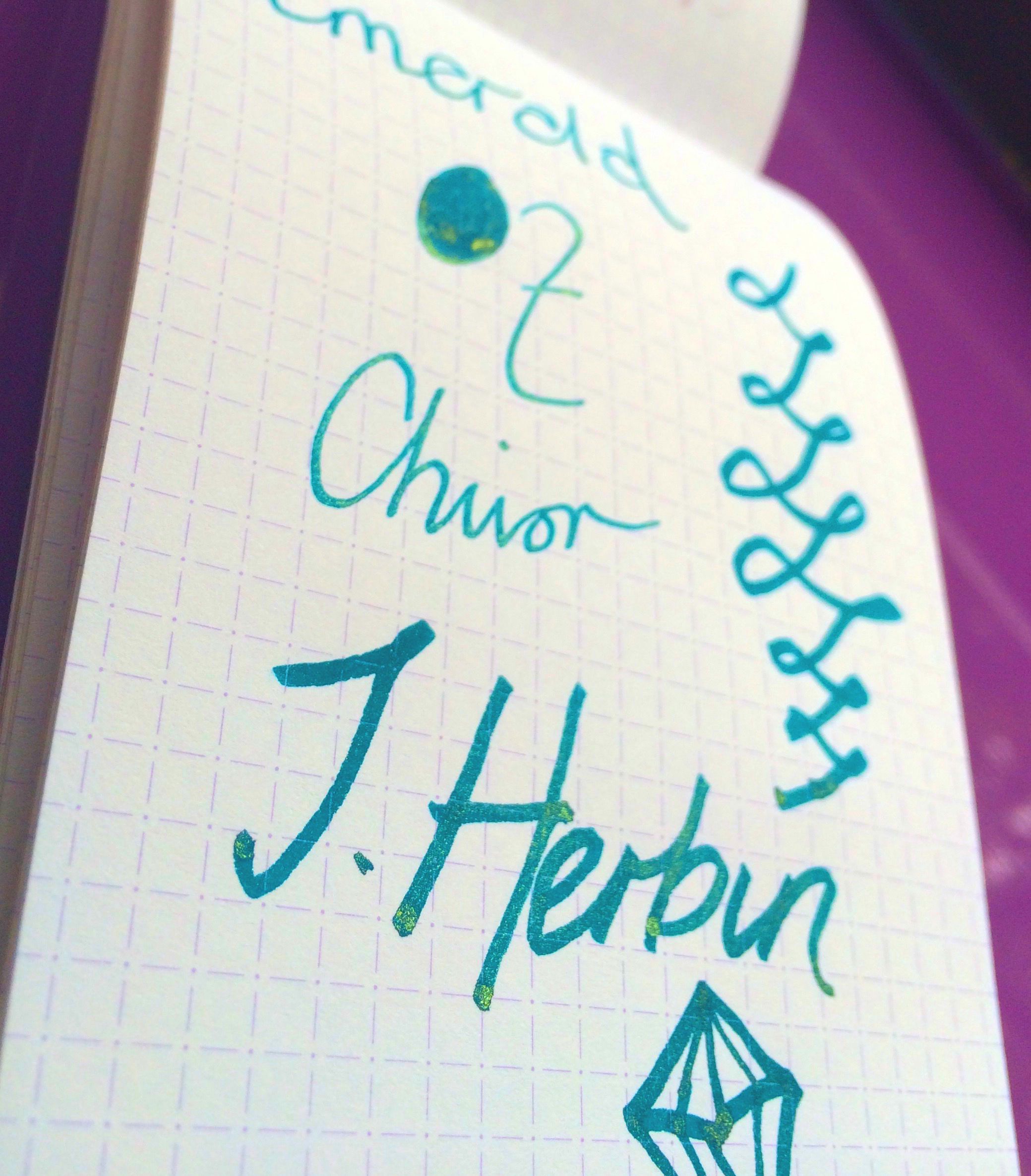
So without further ado, my latest inspirational find: J Herbin Emerald of Chivor:

IMG_9368


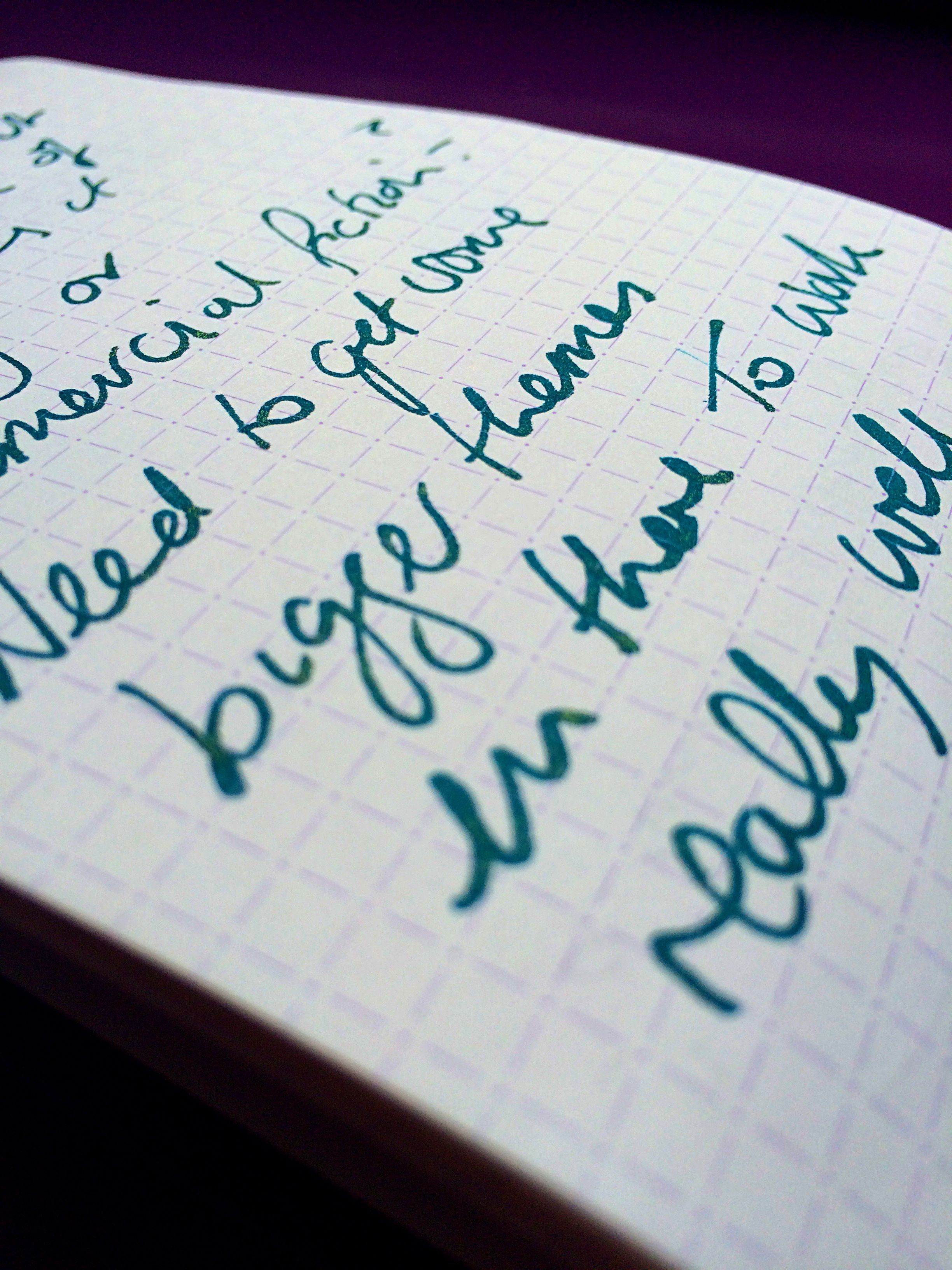
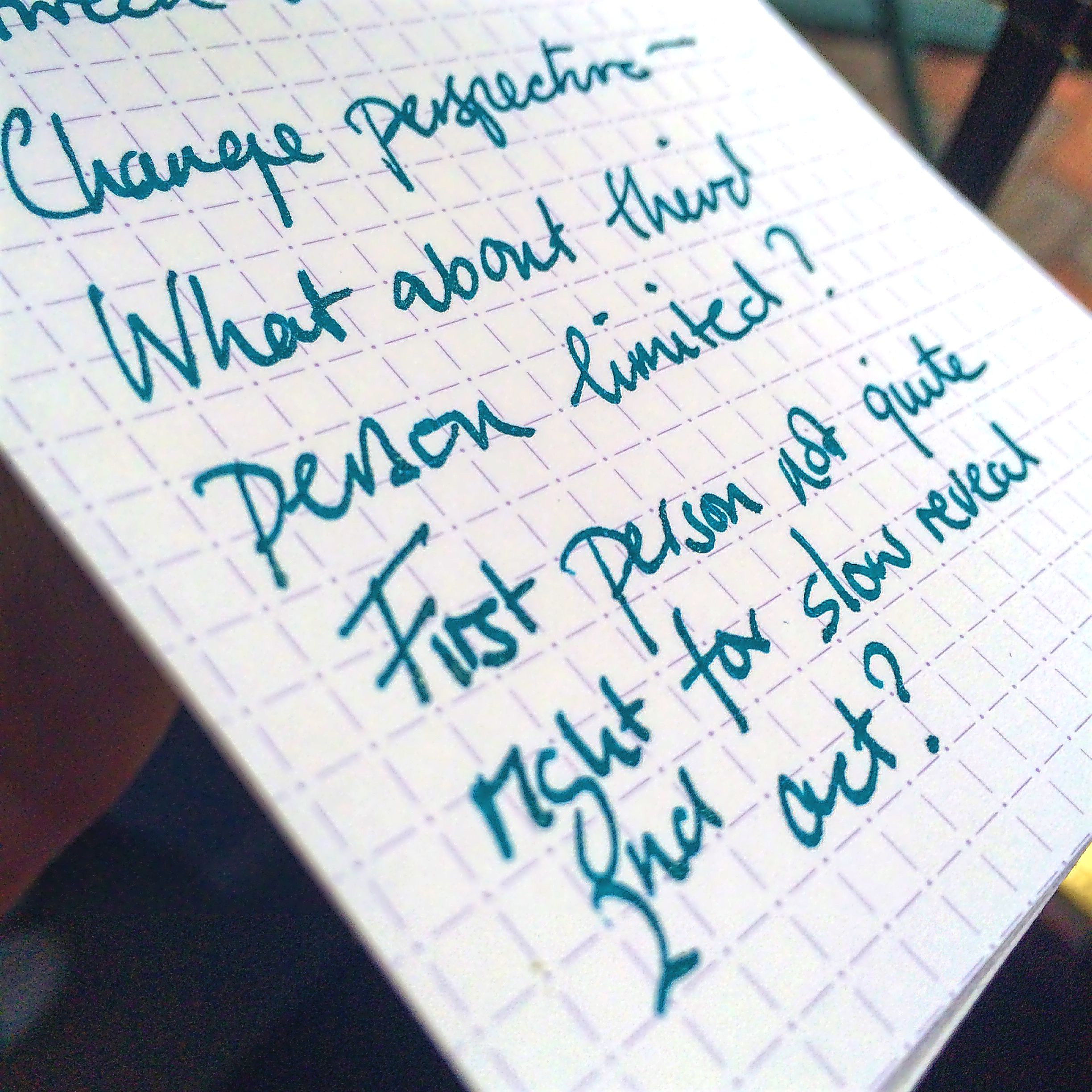
This ink has taken the pen world by storm and from the moment I saw the samples coming out, I could see why. That sheen! That colour! The hints of red were more intriguing than the flecks of gold. All better than I can capture on an iPhone, but I refuse to buy a better camera for the sake of doing blogposts. Anywho, I needed to go back to an old project and work out some knots that were bogging the whole thing down. So, with a trusty NockCo DotDash black pocket book (I’ll definitely be telling you more about those at some point in the future) and a TWSBI Eco 1.1 Stub (again, a pen worth knowing about), I started to tease apart the strands of my story to work out where it was going so spectacularly wrong:

IMG_9372

This is where having such a fascinating tool to play with comes into play. I was so distracted by wanting to put words down, to try and create the different flow using the stub nib, that I worked out what was annoying me the most without even thinking about it. I was too busy thinking about how there were differences when you shook the pen up a little first, how the red wasn’t as strong in my sample as I’d seen in some others and not about the fact that it was a point of view issue I was having.

IMG_9376


So, for me, it’s a big thumbs up for Emerald of Chivor. I want to use this so much, I’ve already decided that tomorrow it will be part of my morning pages routine. I think that J Herbin have got this one right (being the fourth in the series of inks using this gold flecking), and so far I haven’t had any issues with it clogging my pens. That being said, I think it definitely needs to be used with at least a broad nib if you want to get full enjoyment out of it.

Feel like kicking your creativity old school? Then this might not be the cheapest place to start, but it gets a huge thumbs up from me.

Emeraldofchivor

Why I achieve more by taking a proper break

I need a holiday. 

I know that is a phrase people use a lot. If you’re American, or some other nationality where vacations are your preferred terminology, then I apologise. I’ll be holidaying all the way through this post and beyond.

IMG_1032

I genuinely don’t understand people who don’t use all their annual leave. Especially in places where you get two weeks a year. I’d emigrate. Seriously. I was all set to move to a job in Canada until I realised I’d only get that much time off a year. A regular break allows you to rest. Recharge. Come back stronger and more creative than ever, in both your personal and business pursuits.

Anyway, I always want a holiday. Most people do. In a world where global travel is easier than ever, it’s a dream that is always tantalisingly in reach. But I’ve also reached that point where I know when I need one. The two things are very distinct. Needing one comes when the alternative is curling up into a ball each morning unable to face the prospect of another day of ‘stuff’.

When I need a holiday, anything that takes effort becomes ‘stuff’. Working out. Reading. Getting up. Brushing my teeth… Luckily, my requirements for a break are very simple:

No real connection with the outside world, other than emergency communication. Any tweets / blogposts to fill the gap are prescheduled. Wifi is a curse on holiday, not a blessing.

Some sun and sea is always nice.

I always gravitate to the ocean

I always gravitate to the ocean

Having someone cook for me. I love to cook, and I do all the cooking in this house, so having someone prepare meals for me always feels like a treat.

Time to read. Oh how I wish I had more time to read. I love being able to binge read on holiday.

Time to write. Specifically, time to come up with ideas. To brainstorm. To invent interesting characters and devious plots. To reconnect with the enjoyment of writing, rather than the business strategy that comes with it. Writing longhand in a cool notebook under a palm tree. Occasionally while channeling Hemingway with the alcohol to go with it…

Did I mention the sun?

Sleep, with no alarm. I tend to still wake before 7am on holiday, but I love being able to come round to a natural gentle alertness, rather than the bloody marimba ringtone on my iPhone.

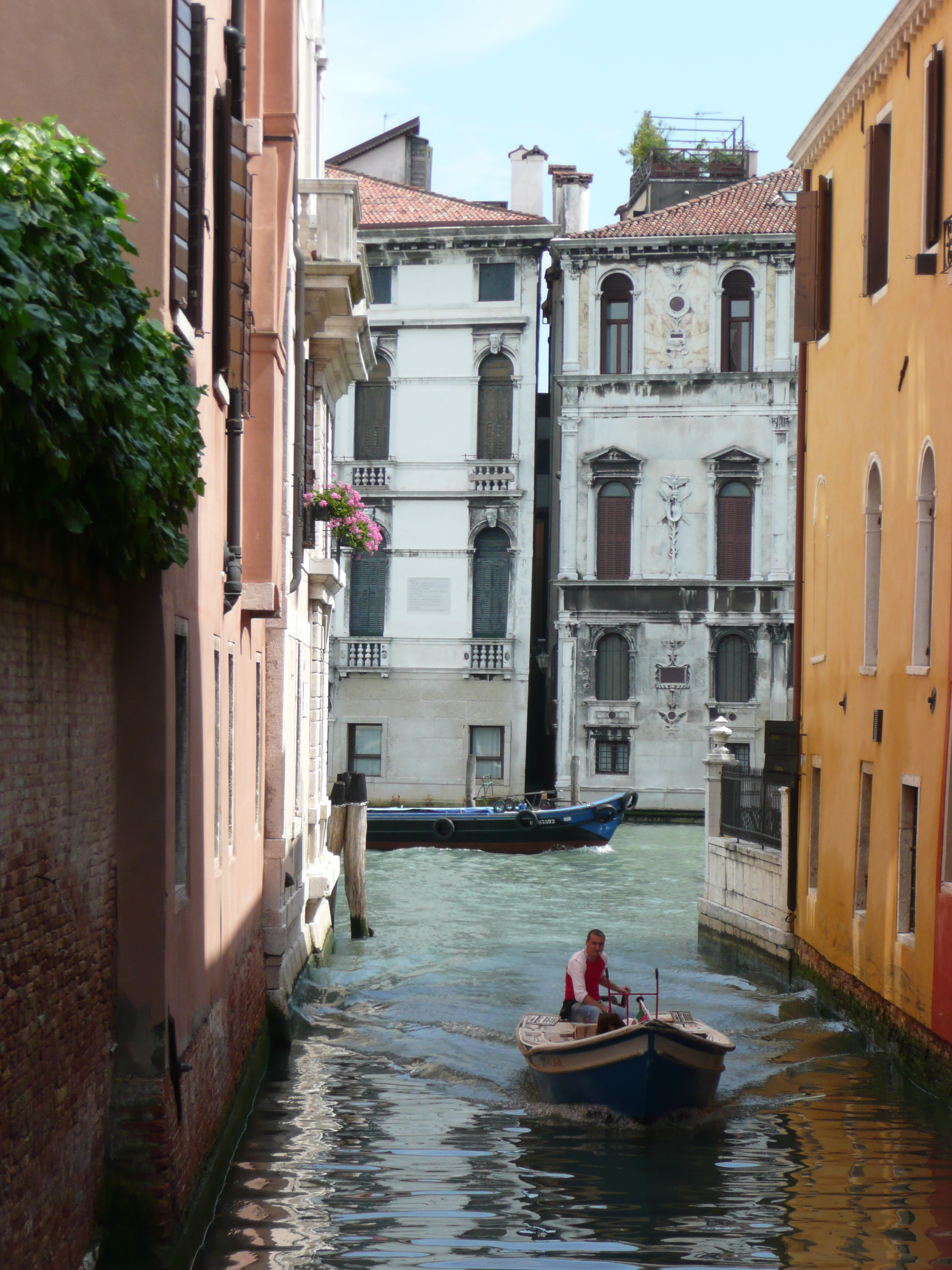
European coffee. Let’s face it, it’s better than anything in any English-pretending-to-be-American-pretending-to-be-Italian coffee chain. You know who you are. Actual Italian coffee. Venice was particularly nice.
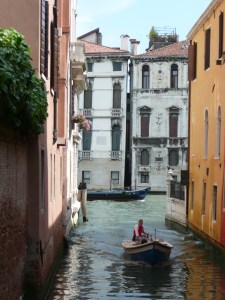
Venice

I think they are all perfectly good reasons. I also think we’re living in a world where stopping and taking time for yourself is increasingly put on the back burner, something you can get round to doing later. It’s one of the reasons why, in the western world, we’re raising a generation that is unlikely to outlive its parents, no matter what the miracles are in modern medicine. Don’t count on being able to get a bionic version by the time you need it. It might not be there. Don’t believe me? Where are those hover boards we were promised, huh?

If you value yourself, think about it. Give yourself a chance to do so much more, by occasionally doing so much less.

90 minute sleep cycles and writing routine

Anyone who knows me or who has been following this blog for a while knows that I am a huge fan of morning routine. This is the most important time of my day. It is my writing time. This time is GOLD.

Over the past few months, I’ve been trying to adjust to the fact I lose two mornings a week now to travel. My usual routine is to begin writing at six, but on those days I start travelling at six. I’m not going to tell you which I prefer. I think you already know the answer. If you’re my boss reading this, then you can choose to pretend it’s the travelling.

The thing that confused me most was that I seemed to struggle to recover so much on those days when I could do my routine as normal.

That was when I started to seriously look into the concept of the 90 minute sleep cycle. I haven’t mastered things just yet, but I’m starting to see some minor improvements.

You see, on the weeks I don’t have to travel, I have a regular bed time as well as wake up time. I’ve been doing my 6am morning routine for over four years now (maybe even longer) and my body found its evening bedtime naturally as a result.

The problem with adding the new travel to my schedule was that I was then so tired when I got back, I was going to bed an hour earlier to try and compensate, but somehow still felt terrible the next day. Having looked a bit more into the idea of 90 minute sleep cycles, I could start to see that I was probably actually making it worse without realising it.

This is still, of course, all theory for me. I’m tempted by the prospect of buying some kind of sleep tracker to see if what I believe and what is reality actually tie up. Perhaps the apple watch will ultimately track this. I don’t know, but I’m already looking for a reason to buy one. Not this year, obviously. I’ll let all those early adopters iron out all the bugs for me first. But anyway, I digress.

I’m going to continue to try to work my life around getting the most out of my sleep, so I can make the most out of my mornings. For anyone who wants to do more with their lives, then I strongly believe that making time for yourself before the rest of the world wakes up is the best way to do it. It takes commitment, and it takes using all the tips and tricks you can to make it work. Bed is, after all, a wonderful place to be. But I’ll be trying to make sure I stay in it for only n x 90 minutes at a time to make sure I wake up feeling ready to go, rather than just ready for coffee.*


*who am I kidding, I always wake up ready for coffee. That’s the real reason for waking up even if you’ve slept like a baby all night long… 

Awesome writing resource: Diversity Cross Check

I first heard about Diversity Cross Check on the Writing Excuses podcast (another amazing writing resource in itself).

So what is Diversity Cross Check? I’ll let them explain it for you….

Simple premise: You’re a writer interested in diversifying your characters, but you don’t share those experiences and you don’t want to offend anyone. A good resource is always those who understand firsthand what it’s like to live as such. So you visit the appropriate tag, find someone you’d like to work with, and contact them via whatever method they’ve provided.

How cool is that?

Often people lament about how little diversity there is in books. It seems an obvious thing to solve – write more diverse characters! Make them the protagonist! Avoid negative stereotypes!

It is easy, until you go to the next level down and start fleshing out said characters. Then you discover you have no idea what an Orthodox Jew would be doing at a certain point in their festive calendar – if you even know what that calendar is in the first place. Or the conflict a second generation immigrant from a specific nation in a certain city would be experiencing as they balance their new life against old world traditions and customs. Wikipedia can only go so far in answering these questions. It just provides more broad brush strokes for you to work with. The detail comes from those who live it.

The fear of accidental offence stops people from branching out from what they know. It’s limiting when it doesn’t need to be. Diversity Cross Check might be the best place to address an issue with a character you secretly want to write. Or it might ignite an interest in a minority waiting for someone brave enough to step forward and give them a main character voice.

Book review – Gone Girl

Gone Girl

Warning: mild spoilers ahead if you’ve got no idea at all about the book

There has been so much hype around Gone Girl that I was a bit hesitant about reading it. I’d managed to successfully avoid being spoilered, even though there was some pretty heavy marketing for the film. General rule of thumb for me though is that the more people like it, the less I do. Call me a rebel.

However, I actually really enjoyed the book. Without giving too much away, the only part that I didn’t massively like was the ending, but I think that is often the case with many books for plenty of readers. A completely satisfying ending is something which is exceptionally hard to pull off. For the last 50 pages or so, I could not see how the characters would be able to reach a resolution that maintained the tension that had been so expertly crafted through the rest of the book.

On saying that – I’m not sure I could imagine an alternative ending given what had happened up until that point, so I’m hardly in a position to criticise.

The most interesting bit about this book for me was the fact there wasn’t a single likeable character. Deliberately so. No good guy to root for. It takes some skill to keep the tension high when all of the characters are lacking in redeemable features and you don’t know which one you want to come out on top. This was compensated for by the use of a tightly plotted narrative instead, with plenty of twists and turns. There were a few parts where I didn’t want to read what happened next, because it made me feel anxious about how nasty things could get. Reading is about experiencing the whole range of human emotions, not just the good ones, and effectively creating this sensation is the mark of great writing in my opinion.

Would I recommend this book? Yes, I would, as long as you don’t mind unlikeable characters and edgy tension. If you like your books to be happily ever after with some redeeming romance, then it’s probably not going to be for you. It’s also quite long in comparison to a lot of thrillers, so you might want to make sure you’re prepared to be in it for the long haul.

I give it 4 out of 5 stars on my imaginary ratings system.


Fortune Cookie

Writing and labels

Yesterday, I was reading this article by Aminatta Forna entitled ‘don’t judge a book by its author’ and I found it absolutely captivating. It got me thinking about something which has been brewing at the back of my mind for a long time. It’s all caught up in that messy understanding of what I write.

When I get the opportunity to meet and mingle with other writers, the question often pops up. What do you write? I always hesitate and the word seems to get stuck at the back of my throat because it’s so obvious, surely: stories. The confusion and uncertainty comes from knowing the question that is really being asked is ‘which genre do you write?’

Which section of which bookshelf would you like to sit on?

But my honest answer is always in that one word. I generally waffle a bit about writing anything and everything, passing myself off as a Jack of all trades. Yet very few authors actually make it down that route. We all know that Neil Gaiman is the notable exception, even forgiven for that mild transgression regarding Duran Duran. All others must not pass without first declaring their pigeonhole.

I’ve never written science fiction. I don’t care enough about getting the science part right to make it an enjoyable experience for me or anyone else who might then get to read it. Fantasy, with much more leeway to veer around, I’ve tried. Horror. Romance. Short stories. YA. So called general fiction. I find a story rattling around in my brain and I write it down. It never crosses my mind to think in terms of genre first. A character whispers in my ear that they have something interesting to tell me and if they happen to be a teenager, a seventeenth century serving wench or a werehamster* then so be it.

I’m not a single characteristic. I’m a messy, complex human being. Likewise, I can’t see myself ever getting joy from being trapped in a single genre. But there is one thing I’m starting to realise:

I really don’t mind.

You can keep your labels to yourself.


*Never actually written a thing with a werehamster

Writing Excuses – Gender / Age Swap

I’ve mentioned before that I’m a massive fan of the Writing Excuses podcast. For Season 10 they’re doing things a little differently, with writing exercises at the end of most episodes, rather than simple writing prompts. I’ve found these much more engaging, and have actually found myself working with them more than I ever did with the prompts.

writingexcuses

As part of the exercise for Episode 2, we had to take a short synopsis we’d created in Episode 1 and do a gender / age swap on the characters. This led to a massive lightbulb moment.

I would say that I love to write strong female characters, largely because we still live in a world where we have to use terms like ‘strong female characters’. Anyhoo, I found myself merrily swapping until the third character when I thought ‘no, I’ll keep this as a man otherwise there’ll be too many women’.

Feel free to internet slap me. I did to myself.

Of course, in writing down my original little synopsis, at no point did I think to myself to hold on, there were far too many men going on here. In my defence, it was a piece of historical fiction, so I do have the weight of history behind me when making women secondary in the key moments. Yet in an entirely fictional realm, I had automatically restricted the characters, and the only female in the story was about as dynamic as a Disney princess. Not one of the newer ones either. One of the ones that do the cleaning until their prince comes and they can finally live out the rest of their mundane lives in a better frock. Whoop!

Completing the swap, the synopsis now actually seems much less mundane and prosaic; something I could actually consider building up into something bigger, rather than just a simple writing exercise done for fun. The question of why these characters weren’t the ones that presented to me intuitively is something I will have to dig deeper within myself to try and understand. I’m hoping the awareness at least will mean I pause for a moment next time and ask myself: am I just following the well-worn path that society and history has already conveniently laid out in front of me?

You can access the writing excuses podcast here. It’s well worth checking out.

A lot can happen in a year…

Apologies for the lack of posting, but I’m having part of downstairs remodelled into a kitchen/diner, and attempting to live and work on only one floor has so far proved to be more challenging than I had anticipated.

Today is the first time I’ve had to just sit, take a breath and look around. I realised then that this time last year I was equally as surrounded by boxes, about to pack a few final things and head off to New Zealand for six months. It was a good way to remind myself that no matter how manic things feel right now, they are nothing compared to how things were back then.

A lot has changed. I’ve had the chance to travel a lot more and it’s been a year since I’ve worked for my old company. I still find myself in old work mode, especially now I’m driving up and down motorways so much and stopping at services. I look at the posters and the screens and can see touches of things I was once involved in that have carried on without me. I’m a sucker for nostalgia.

But anyway, before I drift off down memory lane, I thought I’d share the one insight I’ve had whilst trying to continue my writing and 2015 health resolutions and all that other good stuff that seemed so shiny on January 1st: Be Kind To Yourself.

You can have a plan, you can have a plan B for that matter, but sometimes it will still be an absolute nightmare to keep going when life throws you a curveball. Or in this instance, the lack of a kettle. No kettle equals no coffee at 6am and quite frankly, that is never a good way for me to start my day. It’s not that great for anyone around me either. Having intermittent access to water means I’m not drinking my 8 pints a day. And eating meals that come from either restaurants or the microwave is already starting to show in all the wrong places. I look at my weekly tasks and there is a significant lack of ticks in the boxes.

All of which means I can either try to continue with some things and do them badly, give up completely, or option number 3: acknowledge the difficulties, do the things I can and then make a solid plan to move more on them later. For most things, this is the option I’ve accepted.

Because I’m not ready to quit, but I’m not going to get down on myself for the things I can’t control either. At the end of January, I’ll get up, dust myself off (quite literally, as there is plaster dust in every ***ing room) and start again.